Opinion: What Abkhazia can learn from experience of Venezuela and Iran?






Venezuela through the prism of Abkhazia
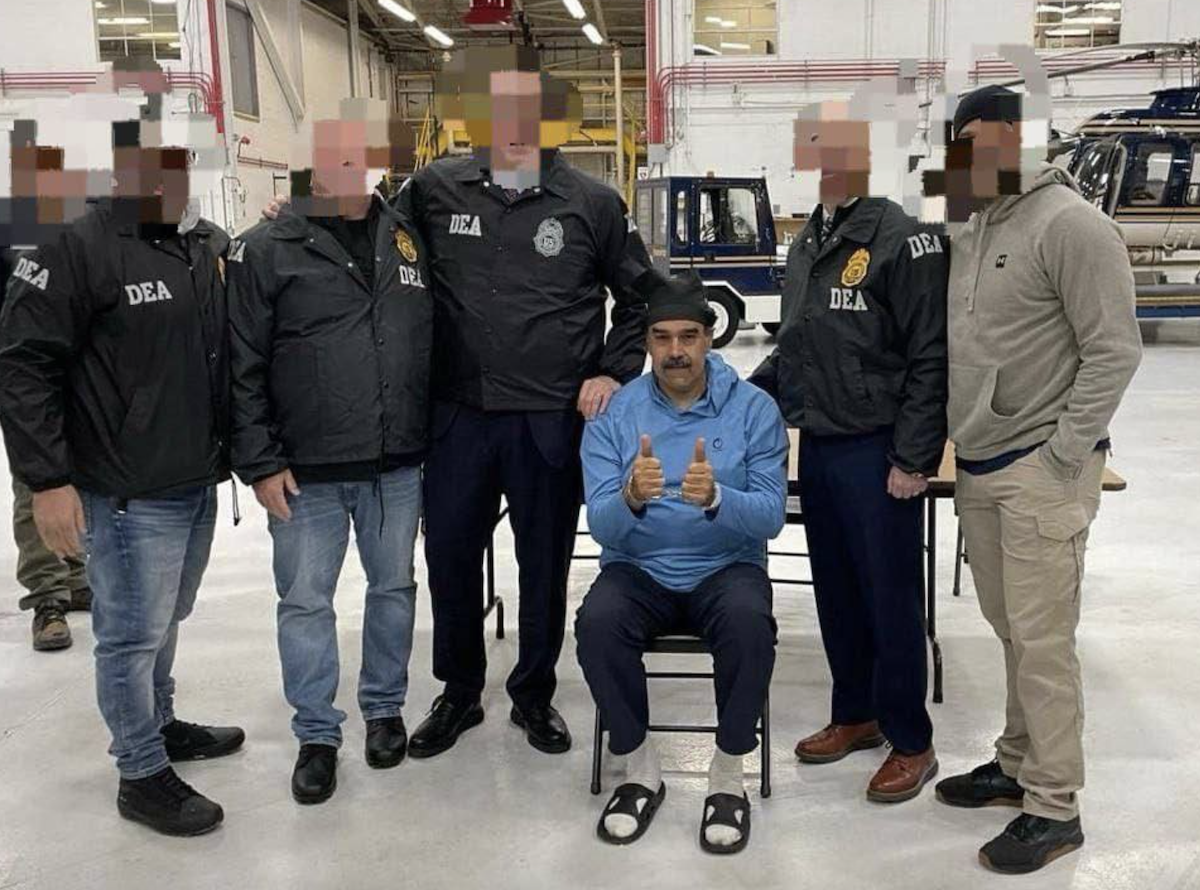
A well-known Abkhaz public figure and blogger, Akhra Bzhania, analyses what he describes as the abduction of Venezuelan President Nicolás Maduro by US special forces and the unrest in Iran. He explains why, in his view, similar developments cannot happen in Abkhazia — at least for now.
He also outlines the lessons he believes the Abkhaz authorities should draw from these events.
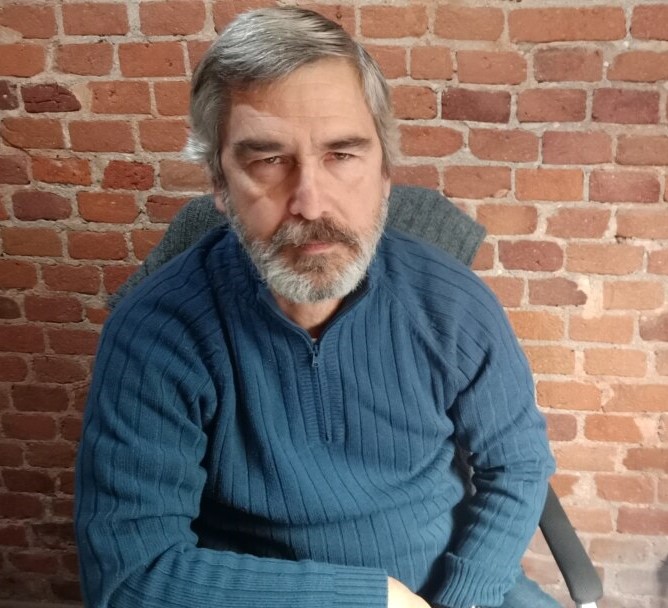
Akhra Bzhania:
“People online are actively discussing Iran and Venezuela right now, especially claims that some Venezuelans betrayed Nicolás Maduro. I believe the opposite happened, and I think Abkhazia should draw a political lesson from this.
“Let us imagine a scenario in which foreign intelligence services plan to arrest the president of Abkhazia, Badra Gunba, as the United States openly discussed in relation to Maduro. I think armed citizens would now be standing outside Gunba’s residence, and no one would manage to seize him alive or without a fight.
“It is simple. Society protects the state only when it sees the state as an extension of itself. In Abkhazia — with serious caveats and at least for now — the people and political institutions form a single whole. An attack on one of these institutions feels like an attack on the personal rights of every individual citizen.
“This works only because we live in a free, if you like democratic, country. The opposition does not sit in prison. Social mobility largely remains open. The press operates independently. Elections offer real alternatives. Courts can overturn election results, even presidential ones.”

“There is nothing of the kind in Venezuela. What exists there is a dictatorship and its consequences.
“Every dictatorship, and even authoritarian rule, has one defining feature. At some point, society and the authorities begin to live separate lives. From that moment, the country becomes doomed. The end may come in 30, 40 or 70 years, but it will come. The state, as an institution of mutual obligations, collapses. The authorities do not protect citizens. Citizens, in turn, stop caring about the authorities.
“This happened to the Soviet Union. It is happening in Venezuela. It will most likely happen in Iran. If you do not represent the interests of citizens and fail to confirm this through elections, then you are a usurper. You cannot count on sympathy or cooperation. You can rely only on fear and silence.
“Why did Nicolás Maduro surround himself with foreign security guards? Apparently because he could not rely on the loyalty of citizens, even for money. He deceived them for years while keeping bank accounts in Switzerland. So who betrayed whom in this situation? It is naive to expect a government to rob its people, imprison them and rig elections, and then expect those same people to defend it from foreign intervention. That is exactly why no one came to Maduro’s palace.
“The same applies to Iran. If not today, then tomorrow, Iranians who want to live freely, rather than by the rules of theocrats, will overthrow the regime. And claims by some political activists that protests in Iran are funded by the West echo the statements heard in 2024, when some argued that Turkish intelligence services were paying the Abkhaz opposition.”
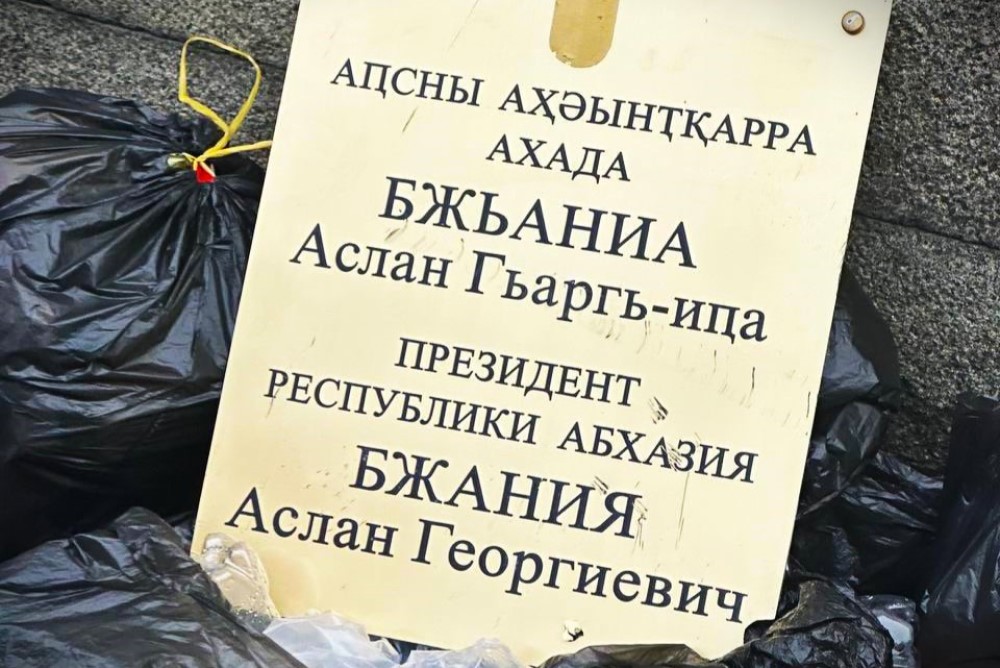
“Why does this matter for us? Because only a free society can guarantee the durability of power.
“When the authorities try to pressure the institutions of a free society, believing this will protect them, they cut off the branch they are sitting on. And the worst part is that they sit on it together with us.
“Problems for a country do not begin when ‘rebels’ take to the streets. They begin when there are no rebels left. When protest and the demand for justice give way to indifference and despair, and when the media start broadcasting only what suits those in power, that is when trouble should be expected.”
The terminology, place names and views expressed in this article are those of the author and do not necessarily reflect the editorial position of this website.
Venezuela through the prism of Abkhazia