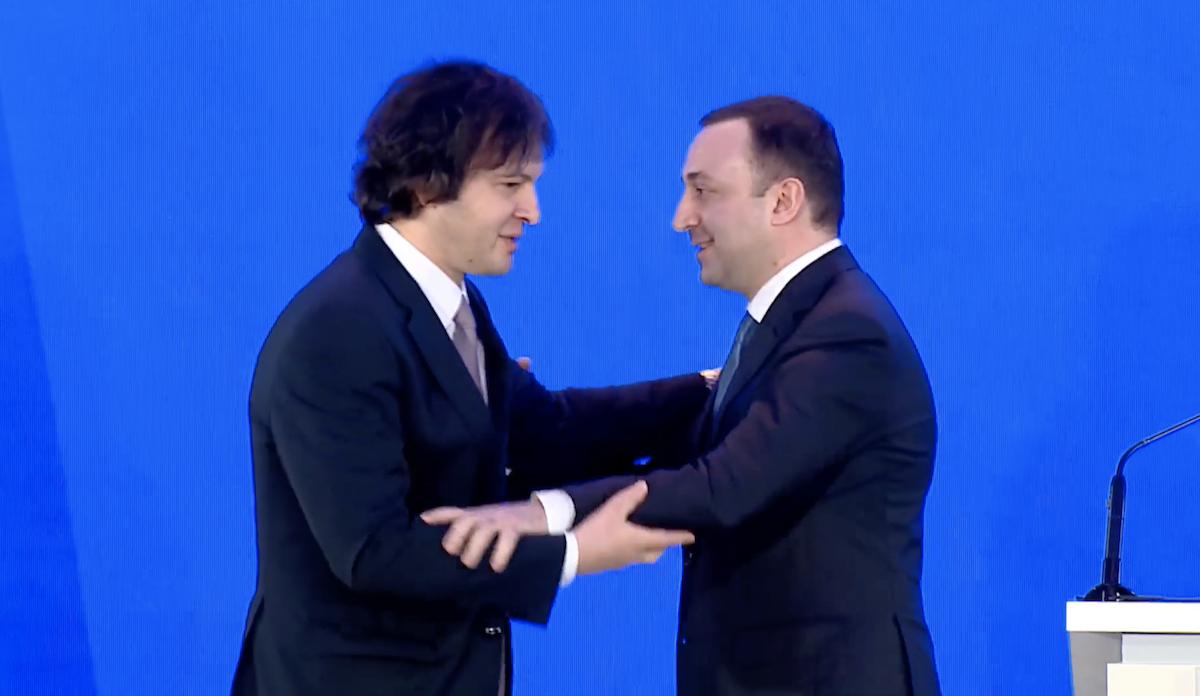
New president, renovated old airport, and witch-hunt: three key events in Abkhazia in 2025






What happened in Abkhazia in 2025
Looking back, slightly belatedly, at the past year.
We’ve picked three main socio-political events that took place in Abkhazia in 2025.

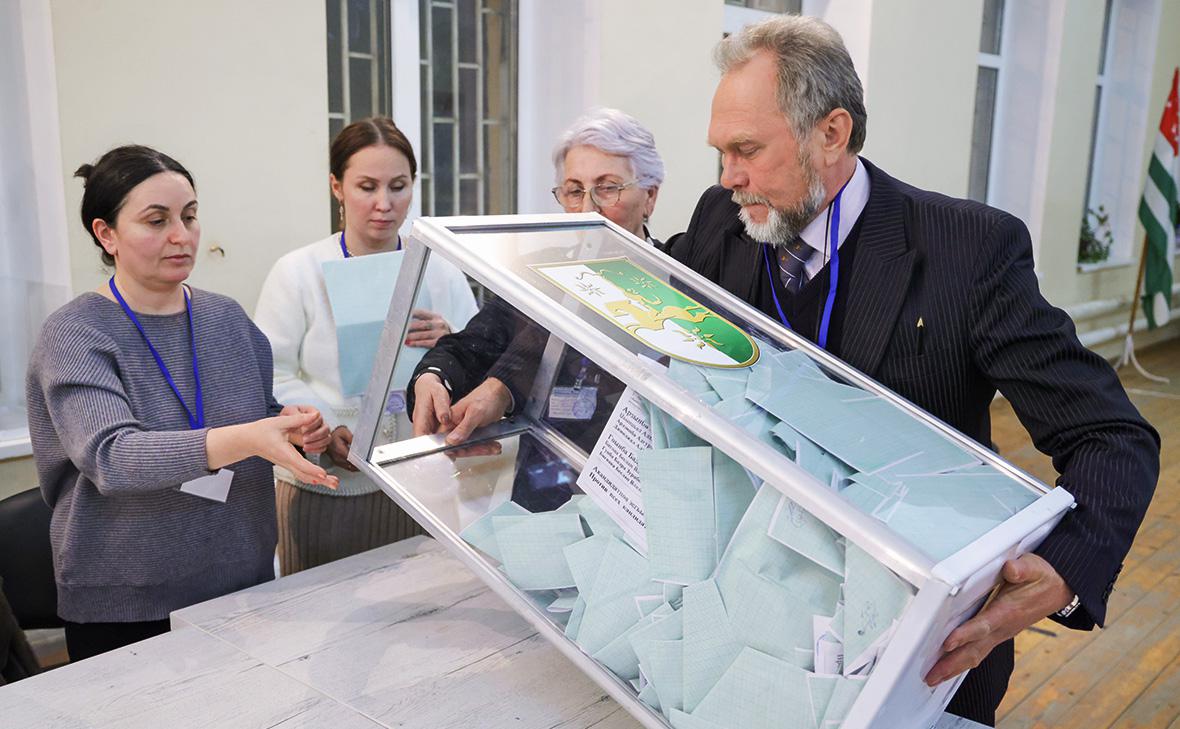
Presidential elections
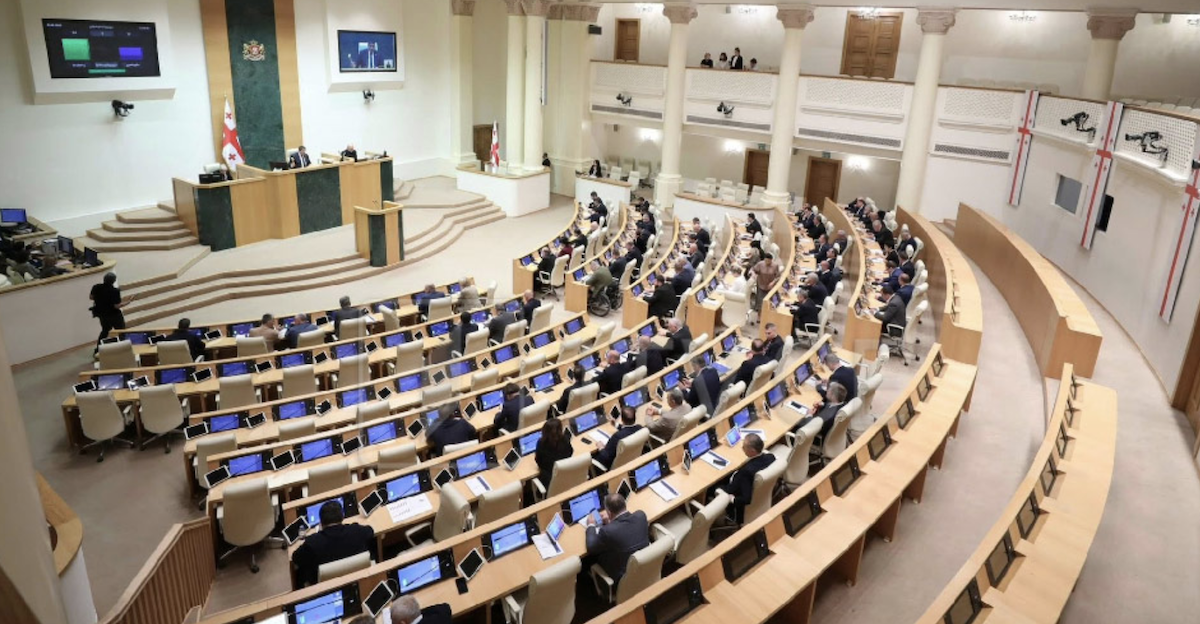
Early resignation of the president and, accordingly, snap elections have already become something of a national tradition in Abkhazia. Three consecutive presidents—Alexander Ankvab (2014), Raul Khadzhimba (2020), and Aslan Bzhania (2024)—left office this way.
Immediately after stepping down, Bzhania announced he would run in the early 2025 elections. But the idea found no support, not even among his closest allies. They believed the former president had too much political baggage and instead backed another team member, Vice President Badra Gunba.
And here, the parallels with the past end.
While previous early elections had brought opposition candidates to power, in March 2025 it was Badra Gunba who won. In other words, the leadership in Abkhazia effectively stayed the same; only the person at the top changed.
Local experts point to the “Russian factor” as an explanation.
In previous years, Moscow did not actively support any specific candidate, understanding that whoever became president would remain loyal to Russia. But in the 2025 elections, the Kremlin made Gunba its favorite, giving him unprecedented support. His main rival, opposition figure Adgur Ardzinba, faced a media smear campaign from Russian outlets, which accused him of pro-Turkish leanings.
In the second round, Gunba secured 53% of the vote and became president.
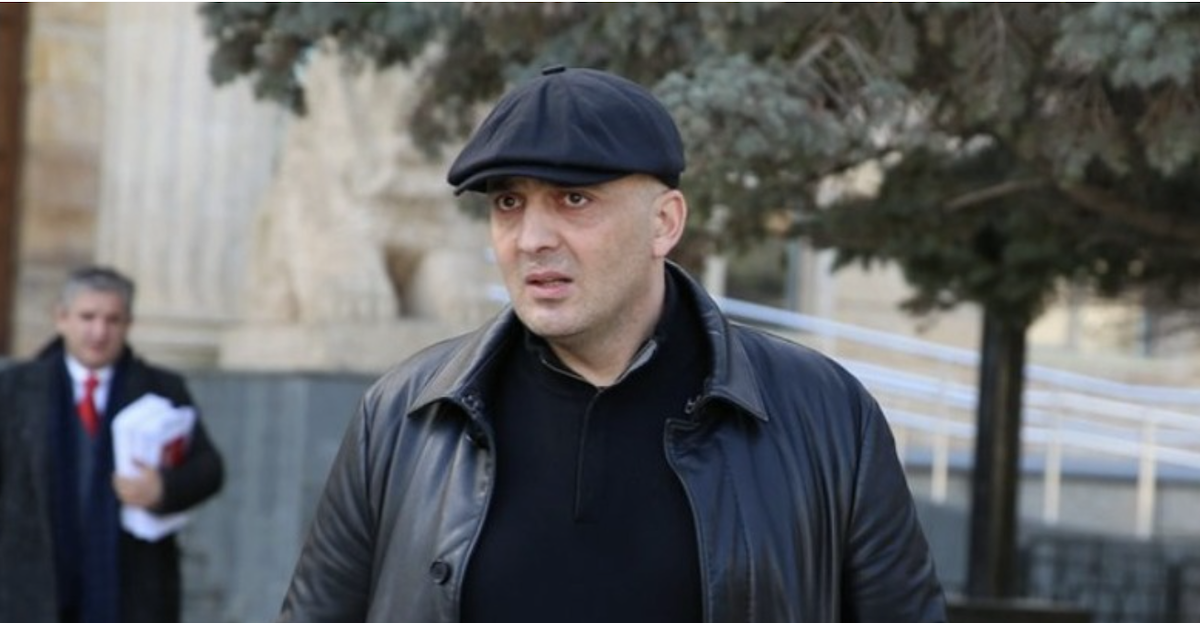
Hunt for ‘anti-Russian forces’
The idea that Abkhazia needed an internal enemy in the form of so-called “anti-Russian forces” was first introduced by former president Aslan Bzhania.
He came up with this “bogeyman” in the third year of his presidency, after realizing his approval ratings were falling rapidly.
At first, the myth of “anti-Russian forces” was used to push through laws that benefited Russia but were highly unpopular in Abkhaz society.
Then things escalated: Bzhania began actively convincing the Kremlin that he—and only he—was Russia’s stronghold in Abkhazia, while all his opponents were under Western and Turkish influence.
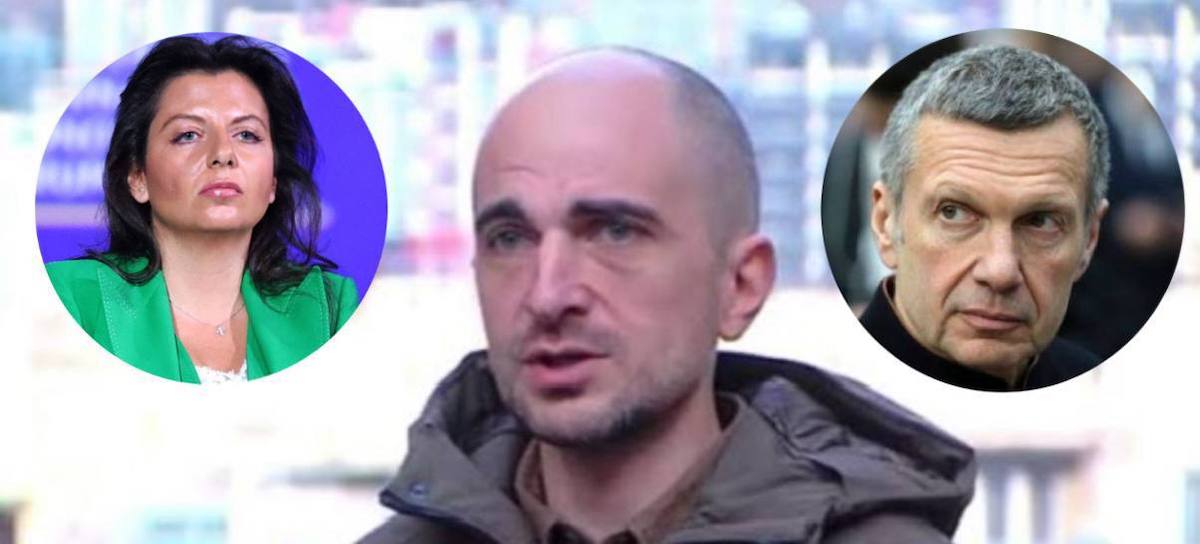
Apparently, he was persuasive enough, because even after his resignation, the Kremlin continued the “witch-hunt.” As a result, two Abkhaz opposition figures were stripped of Russian citizenship, and three journalists were added to Russia’s registry of foreign agents.
The story (at least for now) was closed by Russia’s new Abkhazia overseer, Sergey Kiriyenko, who stated that there are no anti-Russian forces in Abkhazia. Later, President Badra Gunba repeated the same.

Reopening of Sukhum airport
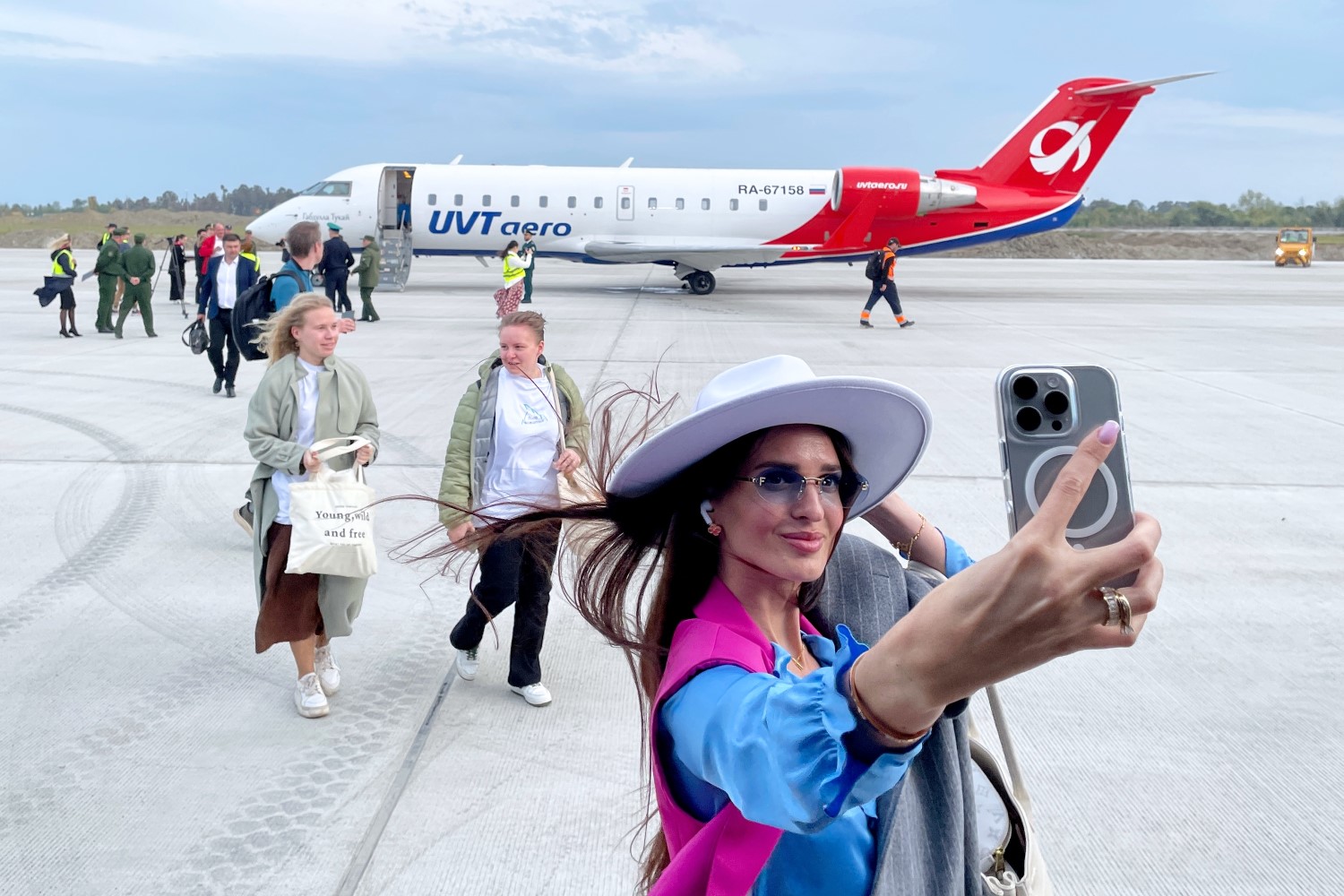
The most significant economic event of 2025 was the reopening of Sukhum airport after a 32-year hiatus.
The airport had been inactive since the end of the 1992–93 Georgian-Abkhaz war. At that time, Georgia’s government requested that the International Civil Aviation Organization (ICAO) revoke its license, effectively banning international flights.
Despite this, Abkhazia and Russia reached an agreement to restore the airport, and on May 1, 2025, the first scheduled flight from Moscow landed in Sukhum.
Because of the missing ICAO license, flights are limited to Russia. Even then, Russia avoids overtly breaking international rules, so only small Russian airlines specializing in domestic flights—unaffected by international sanctions—operate to Sukhum.
Direct flights to Russia are expected to bring more tourists to Abkhazia and boost the republic’s budget. For now, however, actual revenues remain well below the projections.
The terminology, place names and views expressed in this article are those of the author and do not necessarily reflect the editorial position of this website.
What happened in Abkhazia in 2025