Opinion: 'Tbilisi did not do enough to support activist Tamar Mearakishvili'






Opinion on arrest of Tamar Mearakishvili
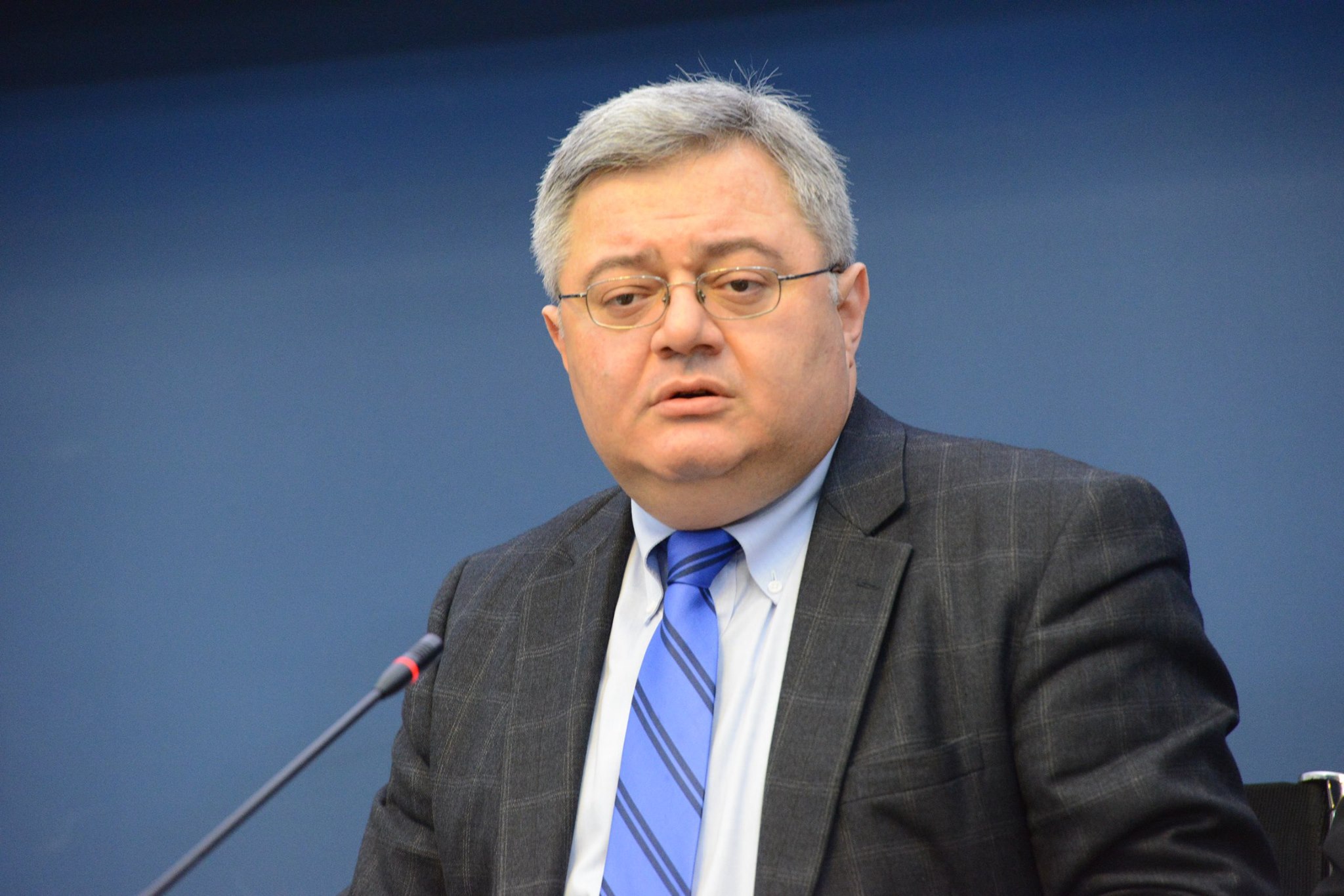
“Tamar Mearakishvili was telling the truth in Tskhinvali, and it was clear that the de facto authorities there would make her pay for it,” Tamta Mikeladze, head of the Centre for Social Justice, said, commenting on the arrest of the Georgian citizen and activist by the Tskhinvali occupation regime.

According to the Georgian State Security Service, the illegal detention of Tamar Mearakishvili, a permanent resident of the occupied territory, has been confirmed in Tskhinvali. The agency said intensive negotiations are underway to resolve the issue.
According to the so-called South Ossetian prosecutor’s office, the detainee is accused of obtaining and distributing information about sites considered strategically important for the “republic” in South Ossetia. The agency claims the activist’s actions pose a security threat.
The case is being investigated under Article 276 of the Criminal Code, “Espionage,” which carries a prison sentence of 10 to 20 years.
Tamta Mikeladze: ‘I knew something bad would happen to Tamar Mearakishvili.’
“She never stopped her activism and always spoke the truth in Tskhinvali, making it clear that the de facto Tskhinvali authorities would make her pay for it. At a time when media and civil society in the Tskhinvali region were almost destroyed, Tamar Mearakishvili was the only critical voice. Her activism helped both local Georgians and Ossetians raise and address their own problems.
Since her persecution began in 2017, the de facto authorities denied her a passport and effectively restricted her freedom of movement illegally. This woman turned her isolation, captivity, and loneliness into a struggle, bringing new life to the gray streets of Tskhinvali.
Unfortunately, support from Tbilisi was never sufficient, likely because Tamar consistently criticized the Georgian government for its approach to conflicts, internally displaced persons, and Akhalgori.
Her already tense relations with the de facto regime have now entered a new crisis phase, and she faces the most serious charge yet—spying. It is crucial for Tbilisi to act, use all international platforms to highlight this case, and push for her release from unlawful detention.
Official pages of the Ministry of Internal Affairs, Ministry of Foreign Affairs, and the State Minister’s office for Reconciliation and Civic Equality have still not addressed the case. The Georgian Dream party continues to use press conferences and other public communication mainly to suppress citizens.
It has become a general trend that human rights violations in the occupied regions are completely absent from the political agenda of Georgian Dream.”
Opinion on arrest of Tamar Mearakishvili