'We stand by our journalism': BBC responds to accusations from Georgian authorities






BBC responds to Georgian Dream
The British outlet BBC, which the Georgian government has threatened to sue, has said it “stands by its journalism” and has thanked those who took part in the investigation that sparked the dispute.
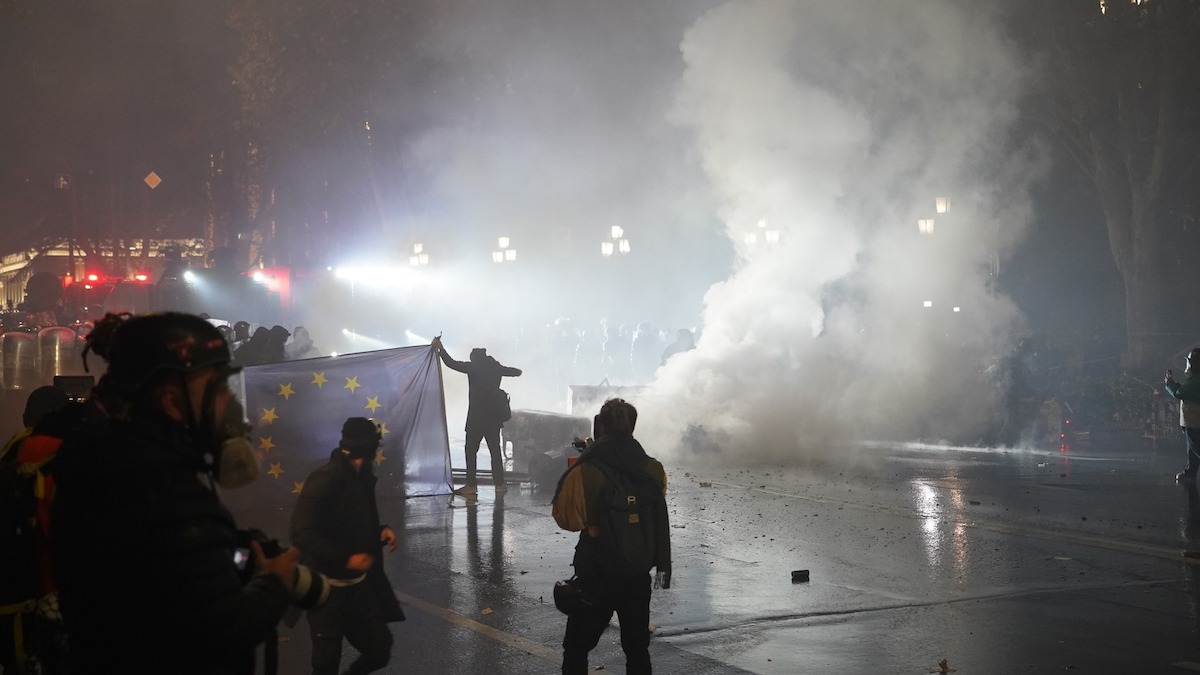
This refers is to an investigation published on 1 December, which claimed that Georgian special police units used First World War–era chemical agents to disperse protests in Tbilisi in late 2024.
A BBC representative stressed that the investigation is based on evidence drawn from a range of sources and serves the public interest.
“Our film When Water Burns: Georgia’s Fight is based on evidence from a range of sources, both inside and outside the country. It includes hearing directly from the protestors themselves, multiple whistle-blowers, UN experts and experts inside Georgia, as well as a medical study and written documents and reports.
The investigation is firmly in the public interest and the evidence gathered is clearly presented for audiences. We stand by our journalism and thank the brave contributors who took part,” a BBC representative said.

On 1 December, the BBC published an investigation alleging that the Georgian government may have used a First World War–era chemical agent to suppress anti-government protests in late 2024.
The investigation says the British journalists spoke to chemical weapons experts, sources within Georgia’s special police units and medical professionals, establishing that the water cannons may have contained a substance known as bromobenzyl cyanide, or “Camite”.
The BBC notes that the agent was first used by France against Germany during the First World War. There is little documentary evidence of its subsequent use, and it is believed to have been withdrawn from service in the 1930s due to concerns over the long-term effects. It was later replaced by CS gas, commonly referred to as tear gas.
In response, the ruling Georgian Dream party has decided to sue the BBC. The party says it intends to use every legal means available to ensure that “so-called media outlets spreading lies are held accountable for issuing dirty, false accusations”.
Georgia’s State Security Service has also launched an investigation into the information published by the BBC, opening a criminal case on charges of “abuse of official powers” and “assisting a foreign organisation in hostile activity”. The purpose of the inquiry is to determine what information the BBC film is based on and how relevant it is.