Nowruz celebrated in Azerbaijan






Nowruz in Azerbaijan
A festive atmosphere has spread across Azerbaijan today, from the capital Baku to remote villages. On 20 and 21 March, people across the country celebrate Nowruz to mark the arrival of spring.
The holiday marks the start of the new year. It also symbolises the awakening of nature and the renewal of life.
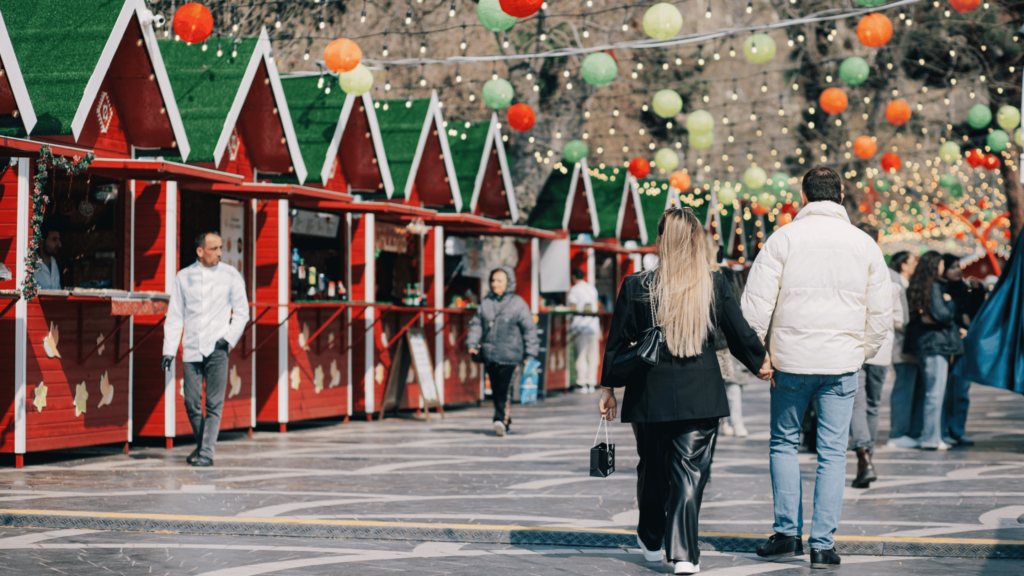
The history of Nowruz spans thousands of years. The festival has roots in the ancient religion of Zoroastrianism and has left a deep imprint on the cultures of Persian and Turkic peoples. In Azerbaijan, Nowruz traditions are closely linked to ancient agricultural practices, as well as to the cults of fire and water.
Scholars such as Abu Rayhan Biruni and the poet Nizami Ganjavi mentioned the festival in their works. In 2009, UNESCO added Nowruz to its Representative List of the Intangible Cultural Heritage of Humanity. This recognition highlights its cultural significance and the importance of preserving it in the modern world.
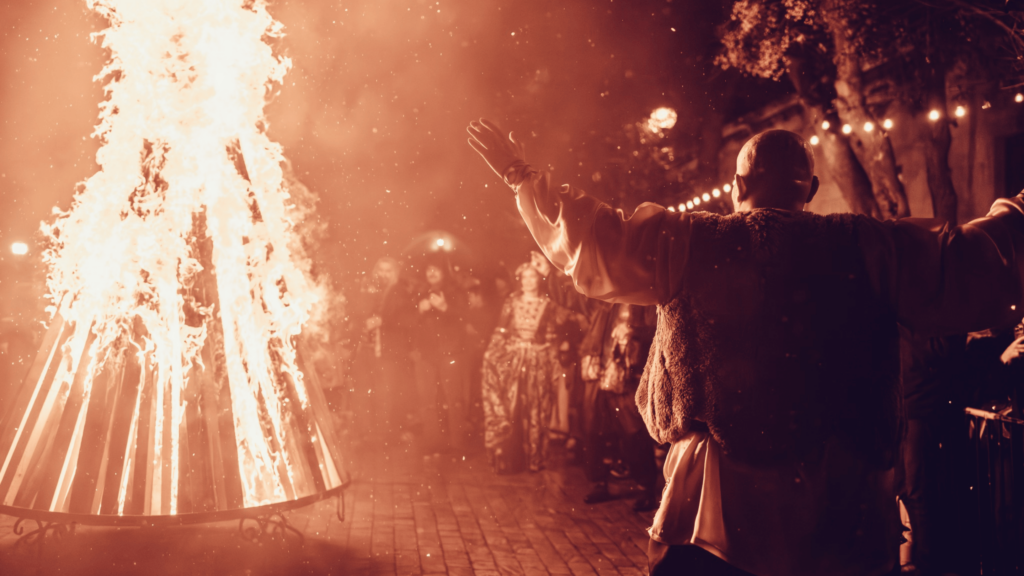
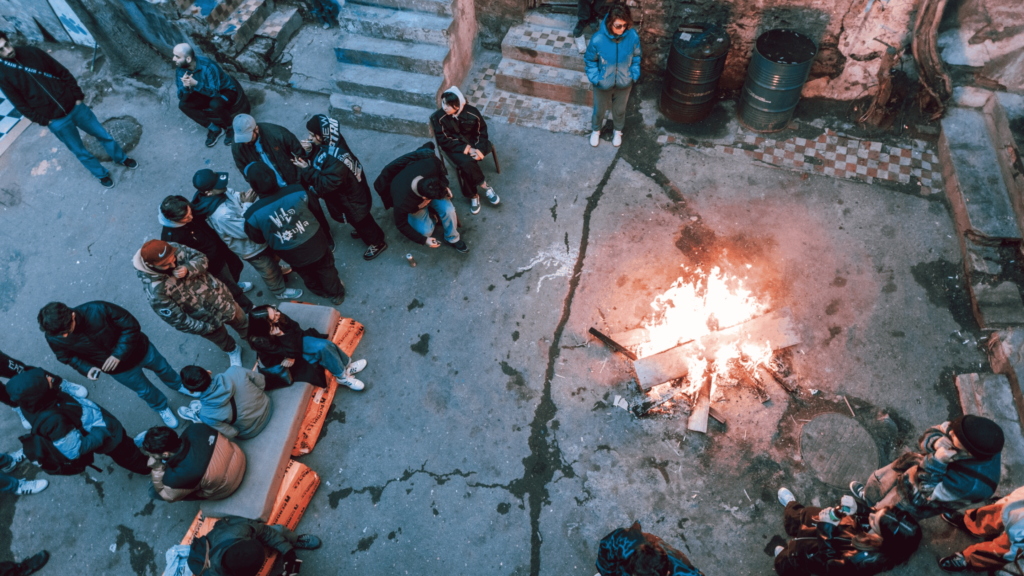
Preparations for the holiday begin a month in advance. People mark four Tuesdays — Water, Fire, Wind and Earth — with special rituals, each dedicated to the elements of nature. The final Tuesday holds particular importance. On that day, families light bonfires in their courtyards. People jump over the flames, believing this act cleanses them of the troubles and illnesses of the past year. The phrase “May my troubles and misfortunes stay in the old year” echoes alongside children’s laughter.
One of the main symbols of Nowruz is samani. Several weeks before the holiday, people sprout wheat, which then takes centre stage on the festive table. Samani symbolises abundance and fertility. On the traditional Nowruz tray, known as khoncha, people place samani alongside coloured eggs, a mirror, candles, pakhlava, shekerbura, gogal and other sweets. Each item carries symbolic meaning: pakhlava represents the sun, while shekerbura symbolises family happiness. The table is seen not only as a spread of food, but as a reflection of harmony in life.
During the holiday, families visit one another, and relatives seek reconciliation. Among children and young people, the tradition of papag atdy — throwing hats at doorsteps — remains popular. Residents return the hats filled with sweets and small gifts. Another favourite custom is “fortune-telling by eavesdropping”: people make a wish, then secretly listen at neighbours’ doors and interpret what they hear as a sign of the future. These traditions pass from generation to generation, giving the holiday a special sense of celebration.
In modern Azerbaijan, Nowruz is celebrated at the state level. Large-scale concerts and public festivities take place in Baku and other cities, with traditional yalli dances performed. Parks and squares are decorated for the occasion. Yet the true essence of the holiday unfolds within the family. Many households prepare traditional dishes and pass customs on to the younger generation.
Nowruz carries a deep philosophical meaning. Each year, it offers people a chance to renew their lives, leave the past behind and look to the future with hope. Ancient traditions continue to shape modern life, preserving national identity and bringing people together. As UNESCO notes, Nowruz strengthens peace, solidarity and connections between generations.
This year, Azerbaijan once again celebrates Nowruz, welcoming the arrival of spring and associating it with new hopes.
Nowruz in Azerbaijan