Ilham Aliyev’s visit to Tbilisi: meeting with Bidzina Ivanishvili, key points and reactions






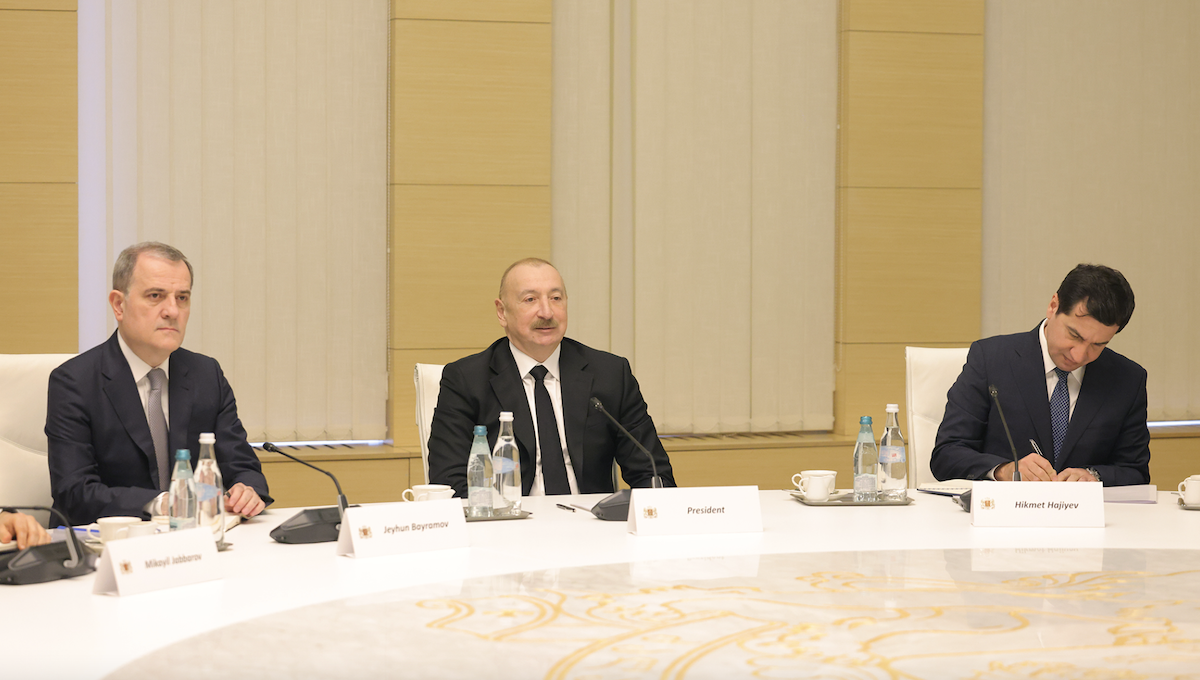
On 6 April, Azerbaijan’s President Ilham Aliyev visited Georgia. He held meetings with President Mikheil Kavelashvili and Prime Minister Irakli Kobakhidze, and also met Bidzina Ivanishvili — the honorary chairman of the ruling Georgian Dream party and the country’s de facto leader — at his “Glass Palace”.
- Aliyev: Georgia and Azerbaijan consider joint investment in third countries
- ‘Regional security and peace’: Georgia’s prime minister meets Azerbaijan’s president
According to official information, the main aim of Ilham Aliyev’s visit was to deepen the strategic partnership between Georgia and Azerbaijan, particularly in energy, transit and regional security.
Beyond the formal meetings with Kobakhidze and Kavelashvili, the key intrigue of the visit was Aliyev’s meeting with Ivanishvili. Little is known about the talks beyond what was released by a government-aligned outlet — silent footage from the “Glass Palace” and a brief, formal statement.
Aliyev’s visit and his meeting with Ivanishvili have raised a number of questions among opponents of Georgian Dream and political observers. The central question is what the country’s informal leader is seeking to achieve through the Azerbaijani president.
Context
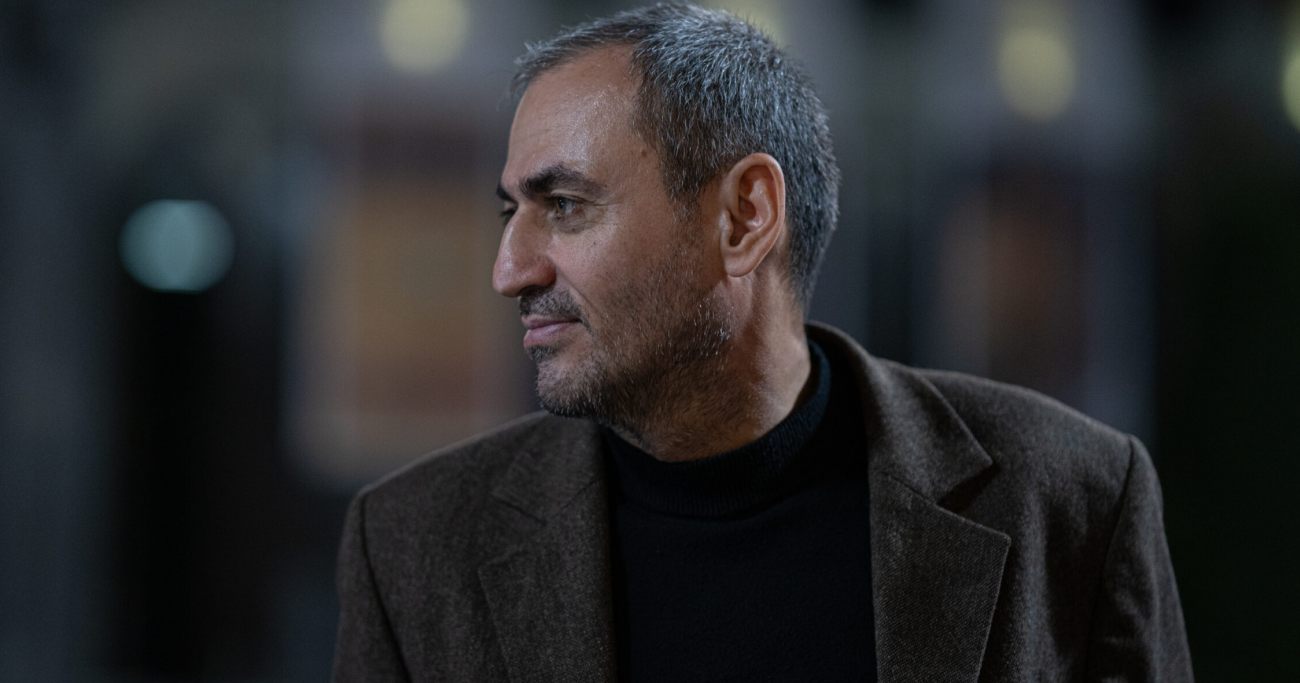
A day and a half before Aliyev’s visit, Azerbaijani dissident journalist Afgan Sadygov was urgently expelled from Georgia.
He was detained late at night on charges of insulting a police officer on social media. A court hearing was held around midnight. He was fined and deported.
The entire process took just a few hours, and by dawn the journalist was already in Baku. His lawyer and Georgian human rights defenders fear he could face arrest — or even be killed — there.
A day before Ilham Aliyev’s visit to Georgia, his former son-in-law — singer and businessman Emin Agalarov — also arrived in the country on a private jet.
In a video Agalarov posted on Instagram, Bidzina Ivanishvili’s son, Bera Ivanishvili, can be seen meeting him at the airport.
Notably, Georgian media knew almost nothing about Aliyev’s visit until the last moment. It became clear only after Azerbaijani flags appeared on central streets in Tbilisi, while the government administration released official information only on the morning of 6 April.
Over the past year and a half, as Georgian Dream has faced a legitimacy crisis, Azerbaijan has remained one of the few countries with which Georgia has maintained intensive relations.
Aliyev has repeatedly hosted Georgian delegations in Baku, including Prime Minister Irakli Kobakhidze, President Mikheil Kavelashvili and members of the cabinet.
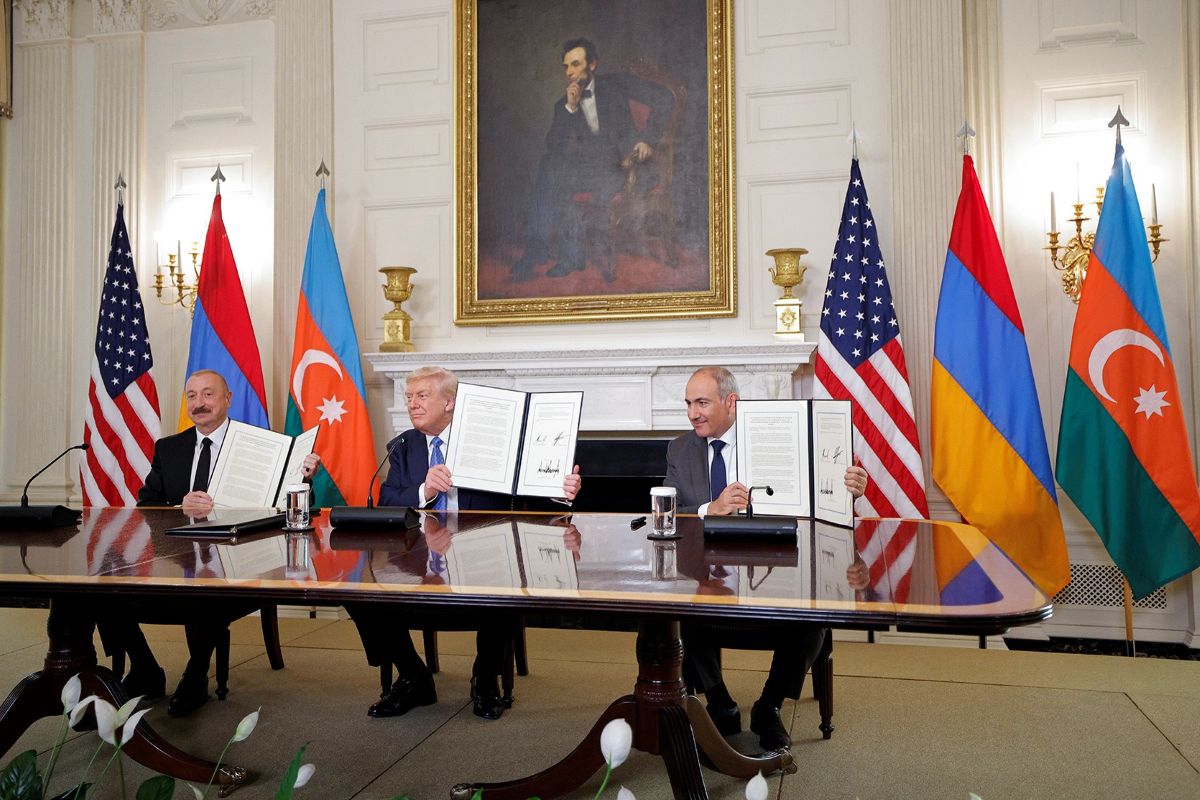
Delegations from Azerbaijan also visit Georgia frequently at ministerial level. Georgia’s foreign minister meets Azerbaijan’s ambassador to Georgia, Faig Guliyev, at least two or three times a month.
In most cases, Georgian authorities publish photos highlighting meetings specifically with Azerbaijani delegations, including during visits to Europe as part of various international events.
President Aliyev himself last visited Georgia three years ago, in October 2023, when he met then prime minister Irakli Garibashvili, who is now serving a prison sentence on corruption charges.
What was discussed. Key issues
Aliyev’s meeting with Mikheil Kavelashvili was largely ceremonial. Kavelashvili received him at the presidential palace to the sound of the Georgian and Azerbaijani national anthems.
The main official talks during the visit took place with Prime Minister Kobakhidze and members of the government. These meetings were closed to the press, and the statements issued afterwards were highly general in nature.
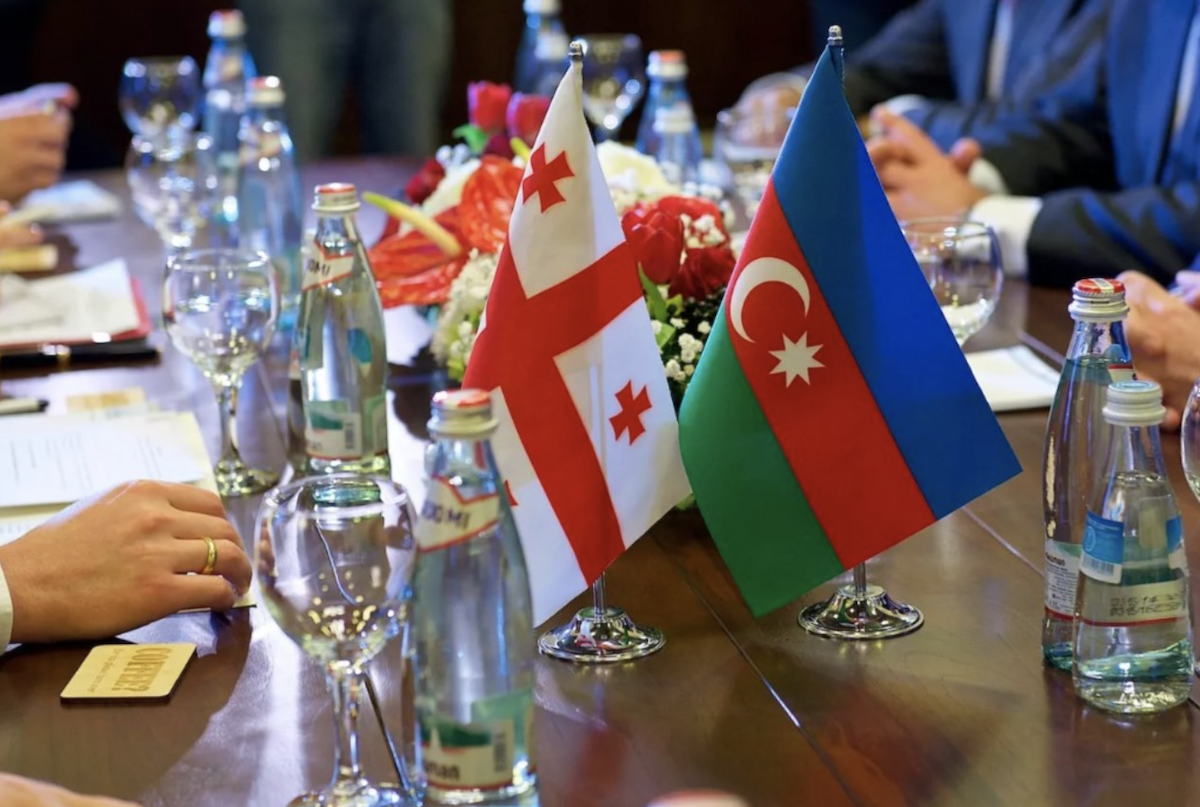
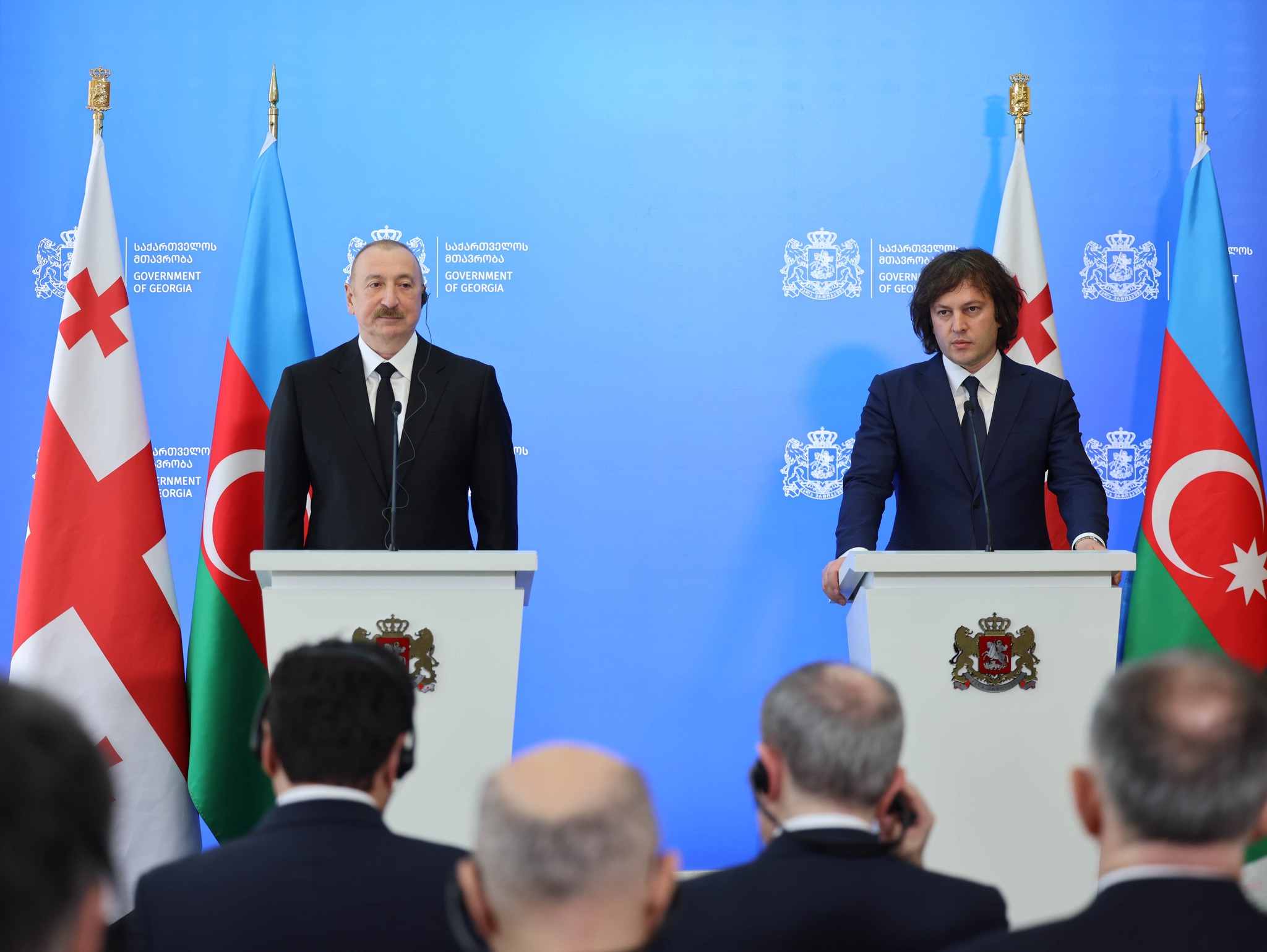
At the joint briefing held by Aliyev and Kobakhidze after their meeting, no journalists were present. As a result, the substance of the talks is known only from official statements.
According to these, the sides discussed bilateral cooperation, strategic partnership, economic and energy ties, investment and regional security.
They also mentioned the “Middle Corridor” and developments in the Middle East. However, it remains unclear what exactly was meant by the Middle East or whether current events in Iran were discussed. Kobakhidze also gave no specific details about the “Middle Corridor”, relations with its main initiator — the United States — currently strained for Georgia.
The sides also noted the potential for joint projects both in Georgia and in third countries.
“Today we discussed new opportunities and new projects in both Azerbaijan and Georgia. We may also consider joint investments in third countries,” Aliyev said.
Irakli Kobakhidze described Aliyev as a “dear friend of Georgia”, thanked him for the visit, and said he welcomed the peace process between Armenia and Azerbaijan, as well as “new initiatives”, expressing readiness to support dialogue.
Aliyev, in turn, offered a number of compliments.
“Georgia is developing dynamically, and its economic growth is clearly visible. You have created a very favourable investment climate in the country, and excellent conditions exist for many foreign investors, including Azerbaijani ones, to contribute further to this success. This will further strengthen political stability and economic growth. You are a guarantor that the policy of the Georgian government will develop for the benefit of the Georgian people,” he said.
Meeting with Ivanishvili — silent footage from the “Glass Palace”
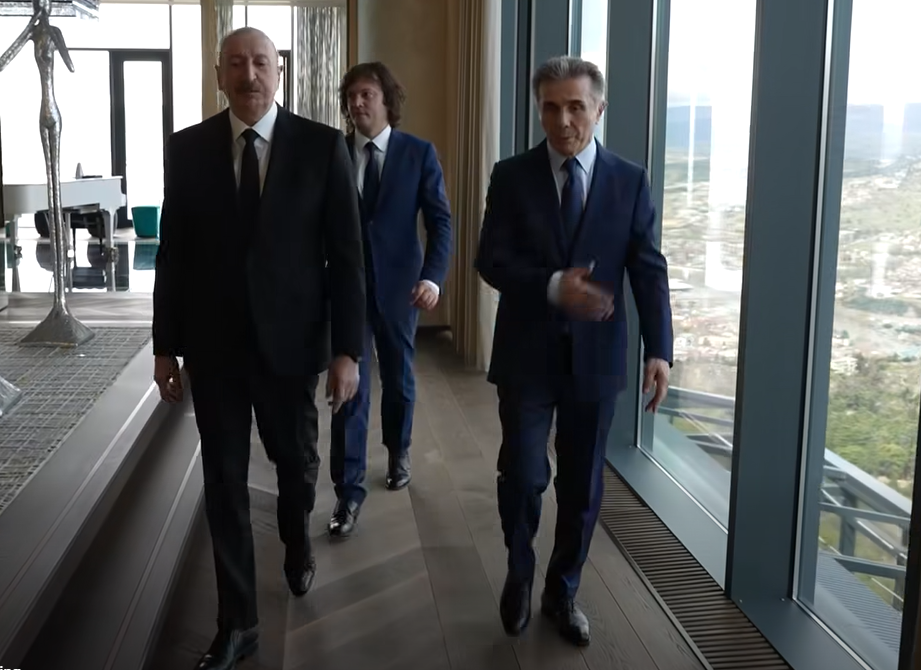
In the afternoon, Ilham Aliyev was received by oligarch Bidzina Ivanishvili at his “Glass Palace”, which serves as both his residence and business centre. Footage of the meeting — with no audio — was released by Georgian Dream’s press office.
The video shows Ivanishvili personally giving Aliyev a tour of the palace and views over Tbilisi, before inviting him to a joint lunch.
“Bidzina Ivanishvili thanked Ilham Aliyev for supporting peace and stability in the South Caucasus region, and noted that amid growing security challenges it is vital for the political leadership of both countries to make every effort to preserve peace and economic development,” Georgian Dream said in a statement.
The same statement said Aliyev thanked Ivanishvili for the warm reception:
“The President of the Republic of Azerbaijan noted that Georgia is one of the most attractive, stable and interesting destinations for investment. The president also highlighted bilateral projects, the importance of the energy corridor and Georgia’s active role in exporting Azerbaijani natural resources.”
No further details of the meeting have been made public.
Reactions
The main intrigue of Aliyev’s visit to Tbilisi was his meeting with Bidzina Ivanishvili, who has not held such high-level meetings with visiting delegations for some time.
The last such high-profile meeting at Ivanishvili’s residence took place in September 2025, when he hosted the president of the United Arab Emirates, Sheikh Mohammed bin Zayed Al Nahyan. Social media then focused on Ivanishvili’s bow during the greeting — something seen as unusual for him.
This time, social media discussions began early in the day, with many suggesting that Ivanishvili had a specific purpose in meeting Aliyev. Some linked it to the expulsion of dissident journalist Afgan Sadygov, speculating that Ivanishvili may be seeking to “trade” something in return.
Two main issues were widely discussed: security challenges, as Georgia appears increasingly isolated amid a regional crisis, and the possible reset of relations with the United States.
Security expert Teona Akubardia highlighted the unexpected nature of the visit:
“President Aliyev had not been to Georgia for three years. He last visited Tbilisi in 2023, when Irakli Garibashvili received him. This visit is quite unexpected and was not announced in advance. To some extent, it gives me the impression that, on the one hand, it could be linked to the Iranian crisis,” she said.
She added that another factor is the changing geopolitical landscape:
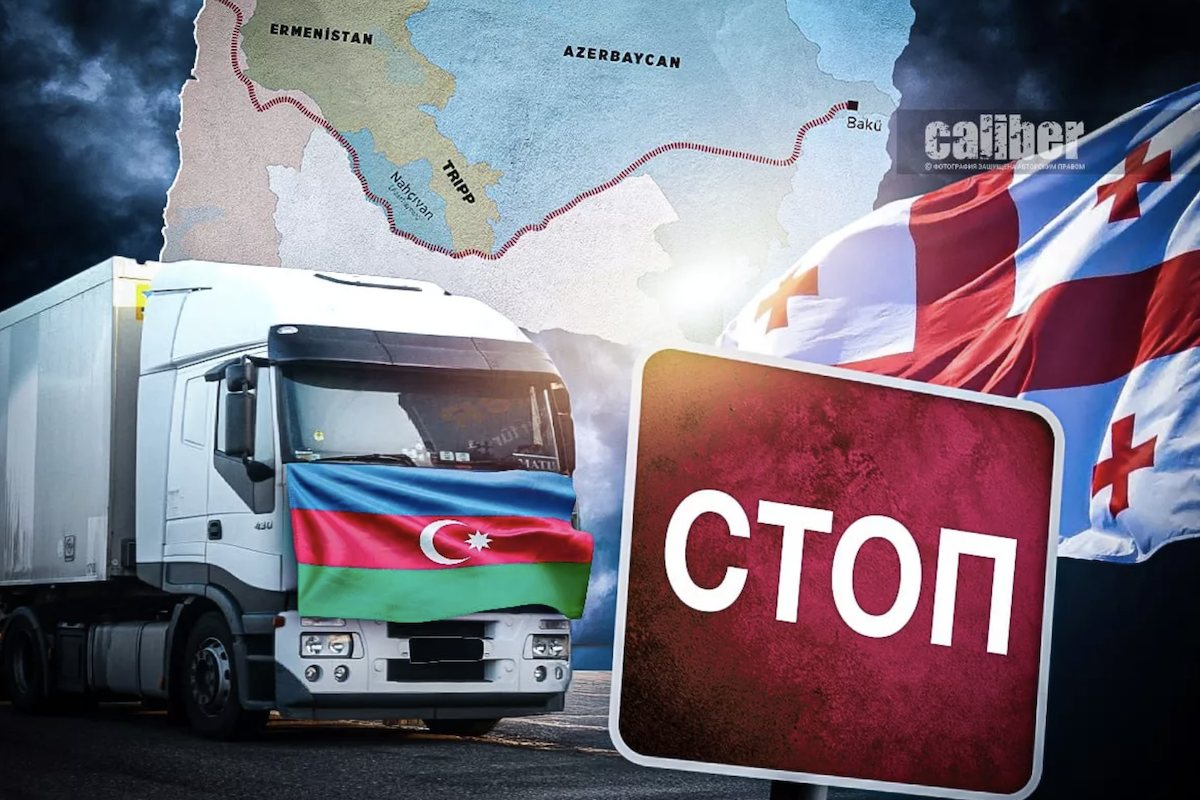
“[The second issue is the new situation] in which Azerbaijan finds itself in the context of the ‘Trump peace’ and the development of new corridors, as well as its strategic partnership with the United States. Aliyev said at the Davos forum that once railway links between Armenia and Azerbaijan are fully operational, Georgia will no longer be needed,” Akubardia told Palitra News.
Political analyst Gia Khukhashvili suggested Georgian Dream may not have had a clear strategy behind the visit:
“Its task is quite simple: to show that someone still comes to visit us,” he said.
He sees Aliyev’s own interests as more significant:
“Azerbaijan is interested in the South Caucasus corridor. It is a crucial route in today’s turbulent world, where safe pathways are scarce. Developing this corridor is extremely important, and we are facing serious delays because of our authorities,” Khukhashvili said.
At the same time, he dismissed the idea that Aliyev could help Georgian Dream reset relations with the United States or gain legitimacy:
“He is a different kind of leader. He does not care who is in power here. He has maintained good relations with all Georgian governments. He does not make personal choices. We are needed by Aliyev as a service platform,” he argued.
Giorgi Sharashidze, one of the leaders of former prime minister Giorgi Gakharia’s party For Georgia, also noted the late announcement of the visit and described it as a message: Bidzina Ivanishvili is the key figure in Georgia, and anyone seeking to “normalise” relations must take this into account.
“This visit took place so that Aliyev could meet Bidzina Ivanishvili. It visually demonstrates who makes decisions in this country. It clearly shows Kobakhidze’s position and how Ivanishvili and Aliyev dominate the foreground.
The meeting between Aliyev and Ivanishvili signals that informal governance exists — and will continue to exist — in Georgia. Anyone who wants to build relations with Georgian Dream must accept it as it is. In my view, this message is aimed less at a domestic audience and more at the international community, primarily the United States,” Sharashidze said.
Aliyev–Ivanishvili meeting