Georgian NGOs appeal to UN on chemical weapons ban






NGOs call for chemical weapons probe in Georgia
Georgian non-governmental organisations have called on the UN’s Organisation for the Prohibition of Chemical Weapons (OPCW) to send an international mission to investigate the possible use of chemical weapons in Georgia.
In a joint statement signed by twelve NGOs, they said that the Georgian authorities had failed to conduct an effective and independent investigation into the use of chemical substances that, according to available data, may have been deployed by police to disperse protesters during pro-European demonstrations.
The NGO sector argues that, under these circumstances, the only real way to establish the truth is through an international investigation.
The NGOs addressed not only the director-general of the OPCW but also UN special rapporteurs and the Council of Europe’s human rights commissioner, asking them to respond within their mandates and assist in investigating possible serious human rights violations.
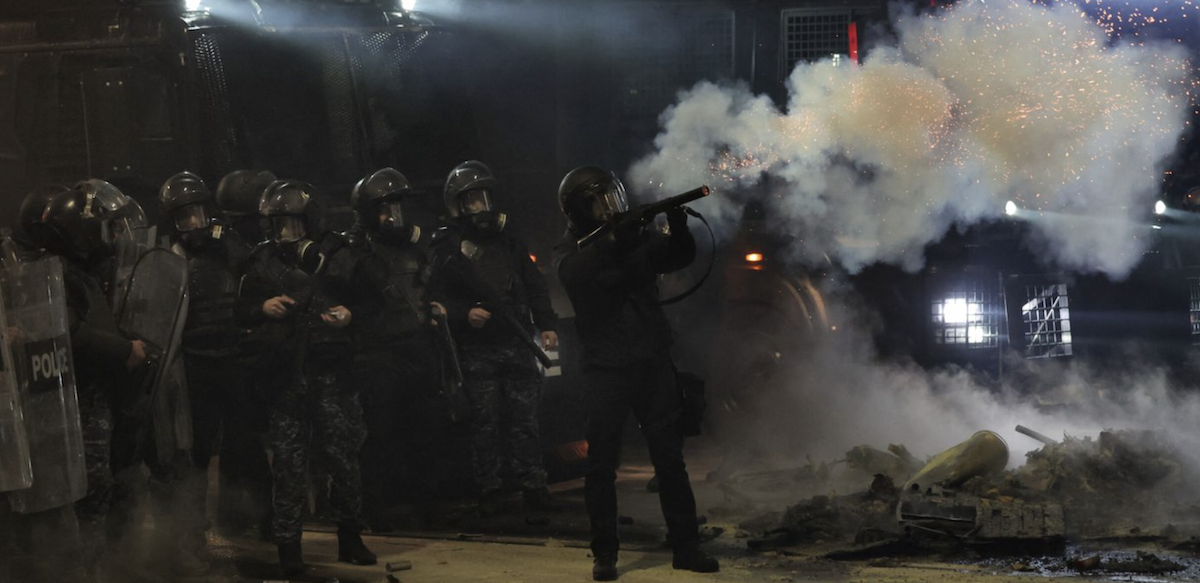
The materials provided by the independent organisations cover at least seven incidents during the Tbilisi protests in November–December 2024. According to their assessment, Georgian law enforcement officers used chemical substances mixed into water cannons, as well as other identifiable and unidentifiable toxic or experimental compounds.
Documented cases, medical examinations, testimonies from victims, and investigations by international media indicate that the chemical substances used had effects beyond the immediate period of exposure.
According to the organisations, affected protesters suffered from acute and long-term respiratory disorders, chemical burns, nervous system impairments, vision problems, and other serious health complications that persisted long after exposure.
The organisations argue that these circumstances suggest that the substances used or the methods of their deployment violated international standards, raising questions about the Georgian authorities’ compliance with human rights obligations and international law.
The NGOs sharply criticised the five-day investigation carried out by Georgia’s State Security Service, which, in their view, raised more questions than it answered.
They said the report presented by the SSS “confirmed” that the Ministry of Internal Affairs possessed the toxic chemical coded UN1710, even though the ministry denied its use except on the night of 4–5 December 2024.
According to the NGOs, it remains unclear whether this substance was used in other documented cases. In addition, the investigation did not publish important expert conclusions, laboratory analysis results, or other critically necessary information for an independent assessment.
Against this backdrop, the NGOs are calling on the OPCW director-general to use their mandate to consider sending a special mission to Georgia. They argue that international engagement is essential not only to investigate possible serious violations in the past but also to prevent them in the future.
The statement also emphasises that victims of chemical weapons have the right to full information about the substances used, so they can receive proper medical care and assess long-term health risks.
The NGO sector also welcomed the initiative of the Monitoring Committee of the Parliamentary Assembly of the Council of Europe, which called on the human rights commissioner to investigate the use of chemical weapons against demonstrators in Georgia.
“Our goal is not only to establish the truth but also to prevent violence and protect the fundamental principles of international law in Georgia,” the Georgian NGOs said, urging international organisations to respond promptly and effectively to possible violations.
BBC investigation
On 1 December 2025, the British outlet BBC published an investigation claiming that the Georgian government may have used a World War I–era chemical substance to suppress anti-government protests in late 2024.
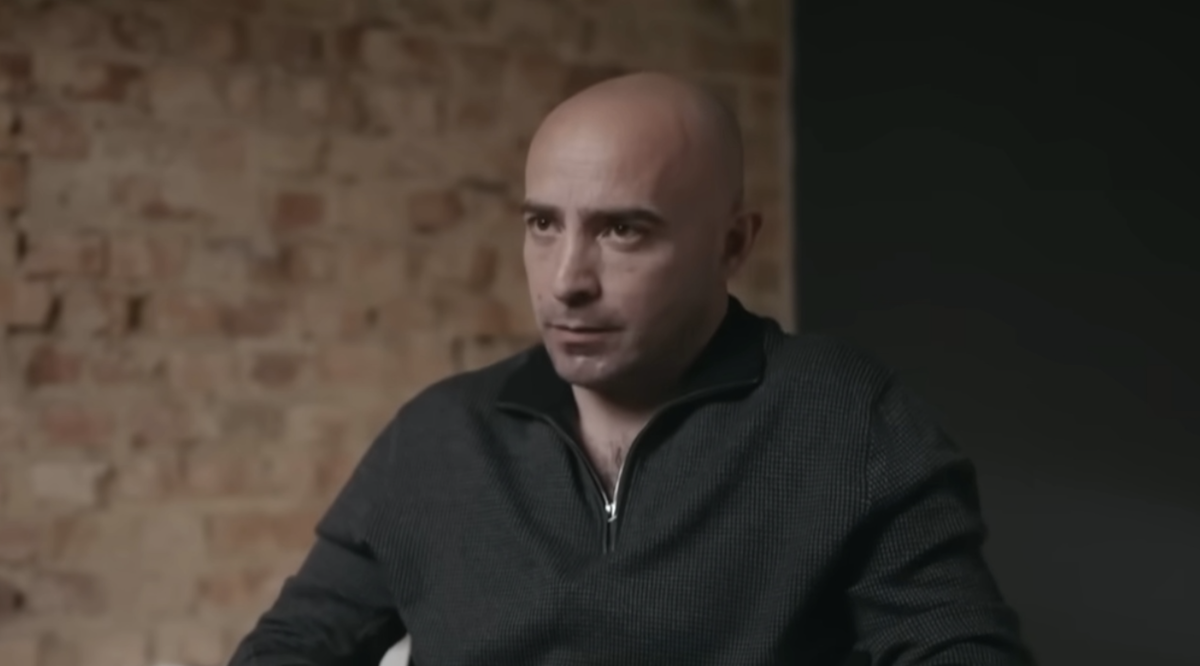
The article states that BBC journalists spoke with chemical weapons experts, sources within Georgia’s police special forces (including former head of the Arms Department of the Ministry of Internal Affairs Special Operations Unit, Lasha Shergelashvili), and doctors, and found that water cannons used to disperse protests may have contained a substance called bromobenzyl cyanide, or “camite.”
The publication notes that “camite” was first used by France against Germany during World War I. There is little information on its subsequent use, but it is believed to have been withdrawn in the 1930s due to the prolonged effects of exposure. Tear gas was subsequently used as a replacement.
Georgia’s State Security Service (SSS) says that the chemical powder used against citizens via water cannons was chlorobenzylidene malononitrile, which, they claim, was acquired by the Ministry of Internal Affairs in 2007.
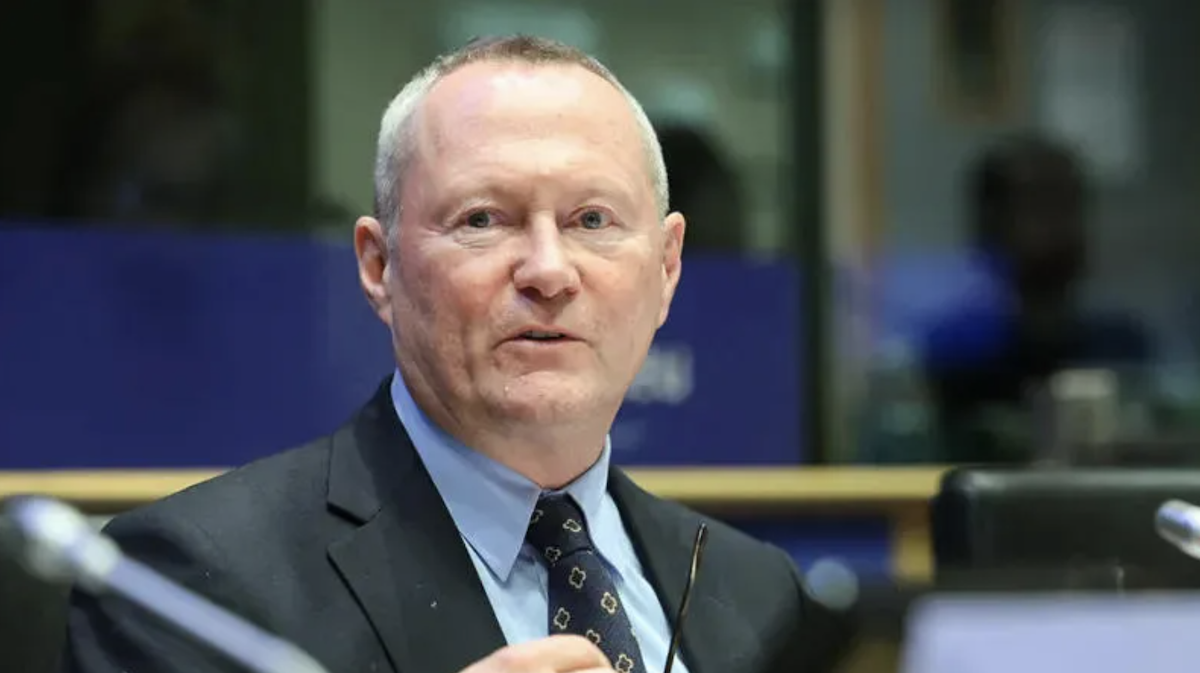
At a briefing, SSS first deputy chief Lasha Magradze stated that the Ministry of Internal Affairs never purchased “camite,” as mentioned in the BBC report. Magradze also stressed that the substances used by the ministry are not classified as prohibited.
The Security Service says it is investigating the BBC report along two lines. According to Magradze, the inquiry into the possible use of “camite” has already been completed.
The investigation into a potential crime under Article 319 of Georgia’s Criminal Code, related to providing assistance to a foreign organisation in hostile activities, is ongoing.
NGOs call for chemical weapons probe in Georgia