EU removes Georgia’s Kulevi oil terminal from 20th Russia sanctions list






EU excludes Georgia’s Kulevi from sanctions list
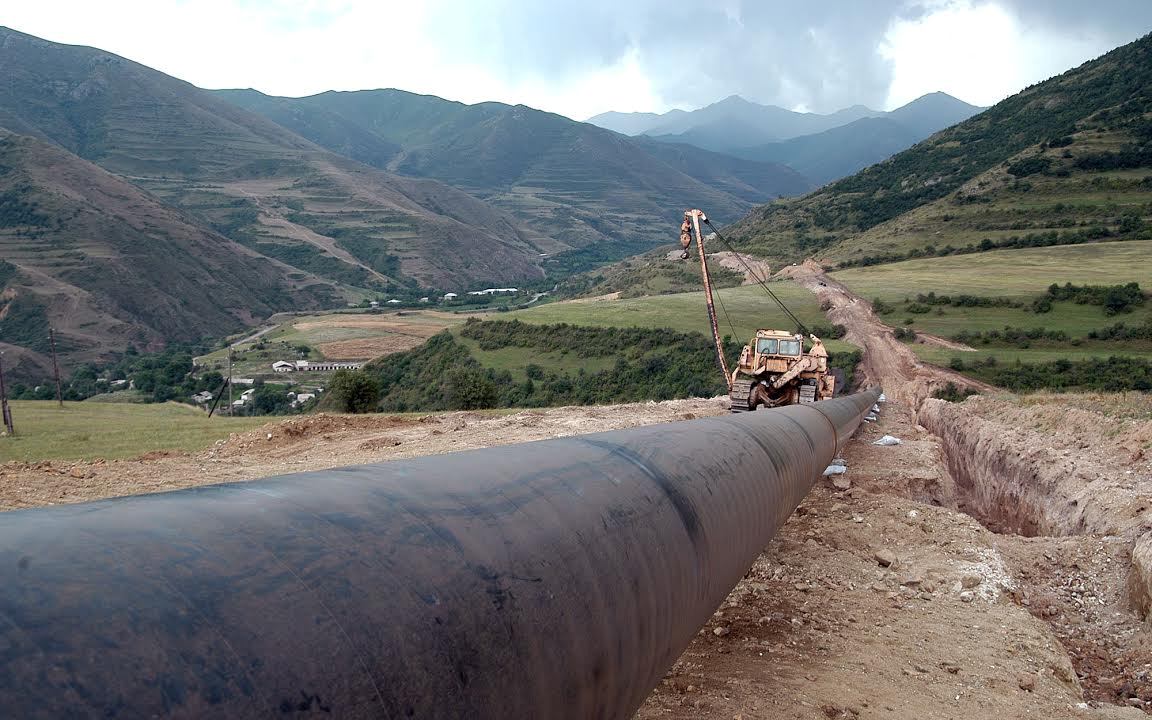
The European Union has removed the Kulevi oil terminal on Georgia’s Black Sea coast from the 20th package of sanctions set to be announced against Russia.
The decision follows formal commitments made to Brussels by the Georgian authorities and the port’s operator, Azerbaijan’s state oil company SOCAR, to ensure full compliance with international sanctions.
David O’Sullivan, the EU’s Sanctions Envoy, confirmed the move in a letter addressed to the Georgian Foreign Minister, Maka Botchorishvili.
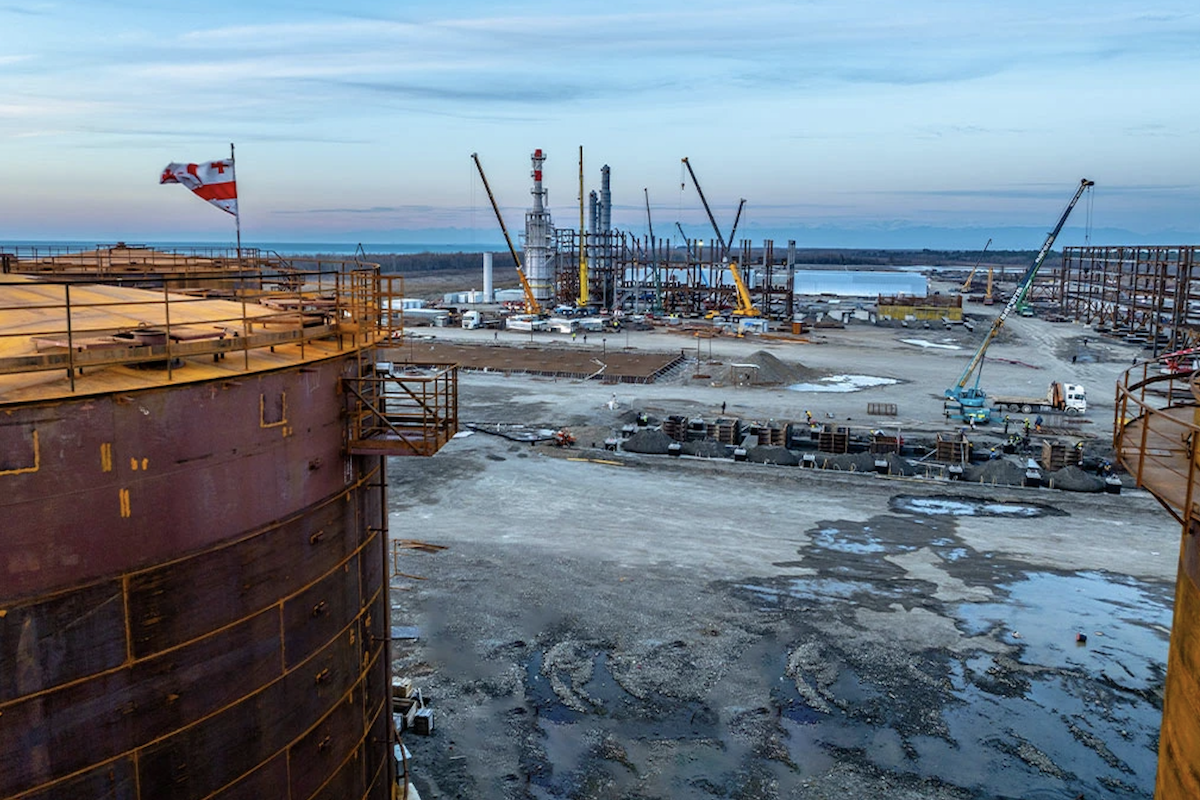
The EU originally considered including the Kulevi terminal in its 20th sanctions package due to concerns over its role in transporting Russian oil and providing port access to “shadow fleet” tankers.
However, according to O’Sullivan’s letter, this position was revised after Georgian authorities and the port operator made specific commitments.
“I welcome your commitment that Georgia will not allow vessels sanctioned by the EU to enter your ports or receive services from them,” O’Sullivan wrote.
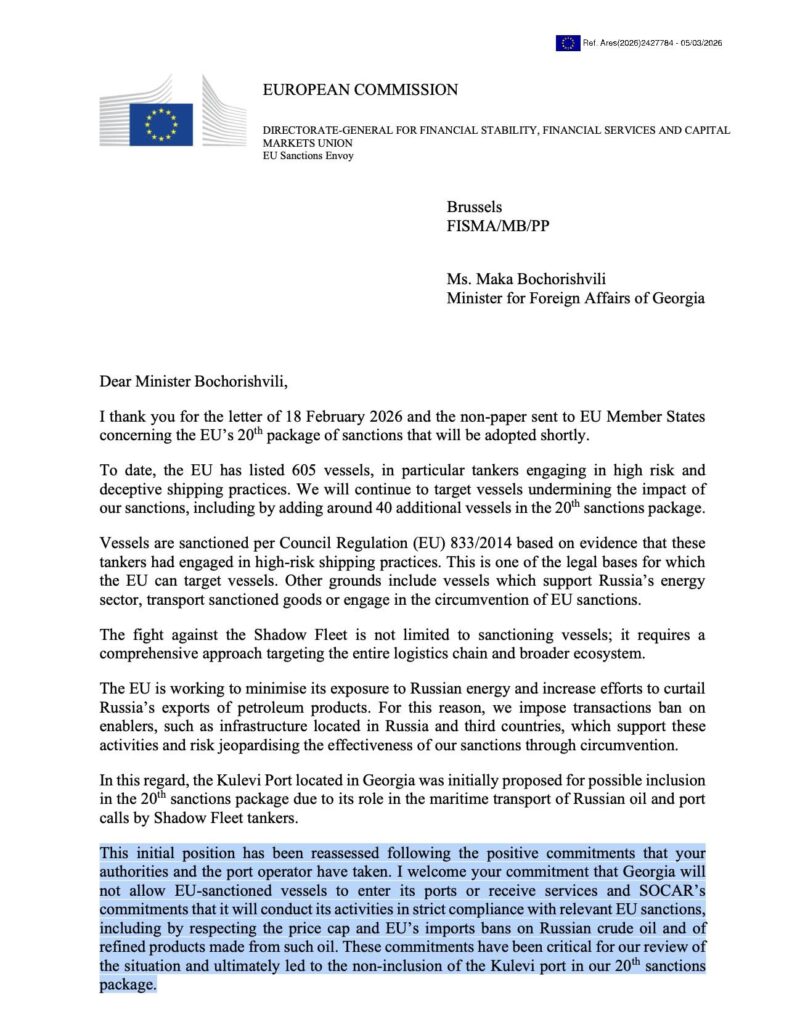
He noted that the Azerbaijani energy company SOCAR, which operates the Kulevi terminal, has also agreed to work in strict compliance with EU sanctions, including the price cap on Russian oil and bans on its import into the EU.
According to O’Sullivan, these specific commitments played a decisive role in Brussels’ ultimate decision to exclude the port of Kulevi from the 20th sanctions package.
The “Shadow Fleet” and EU Measures
As part of the tightening of sanctions against Russia, the EU has added 605 oil tankers to its latest sanctions list. These vessels are identified as part of the “shadow fleet”—ships that frequently employ opaque ownership structures to bypass international restrictions.
According to O’Sullivan, the 20th package currently under preparation may include an additional 40 vessels.
The letter specifically highlights the tanker M/T TRUVOR (IMO 9676230). Georgian authorities sought consultation from the European Commission regarding this vessel and ultimately denied it entry to the Kulevi port.
“I appreciate your refusal to allow this vessel into a Georgian port,” O’Sullivan noted, expressing his hope for continued swift cooperation between the EU and Georgia in the future.

Warning to the Financial Sector
The EU Sanctions Envoy’s letter places significant emphasis on the risks of sanctions evasion, particularly within the financial sphere.
According to O’Sullivan, Brussels possesses the mechanisms to blacklist financial and credit institutions in third countries that utilise Russian payment infrastructures. This includes the System for Transfer of Financial Messages (SPFS), the Faster Payments System (SBP), and the MIR payment system, or any other frameworks facilitating the circumvention of restrictions. In such cases, these institutions may be prohibited from conducting any financial transactions with the European Union.
“Your commitment to preventing the circumvention of EU sanctions through Georgian territory will continue to be strictly monitored,” O’Sullivan wrote.
Future Cooperation
“The monitoring and restriction of the re-export to Russia of Common High Priority (CHP) and Economically Critical Goods (ECG) remains a top priority for the EU,” the letter states.
These goods are described as vital to the Russian military-industrial complex, and preventing their diversion is considered crucial to the effectiveness of EU measures. “We value your efforts in this direction and request that you continue to ensure that Georgian territory is not used for the transit or re-export of such sensitive goods to Russia,” the text continues.
The Special Representative also proposed a video conference between technical experts from Brussels and relevant Georgian agencies to discuss the sanctions regime in detail.
The letter concludes by noting that the EU plans to adopt the 20th sanctions package against Russia in the near future. Its approval is currently being delayed by the positions of certain member states, specifically Greece and Slovakia.
Commentary: “Kulevi saved by today’s complex geopolitical situation”
Economist Roman Gotsiridze believes that, at this stage, the Kulevi terminal has been spared only due to the unique geopolitical climate. “However, this facility, behind which the Russians are hiding, has faced serious problems,” he stated.
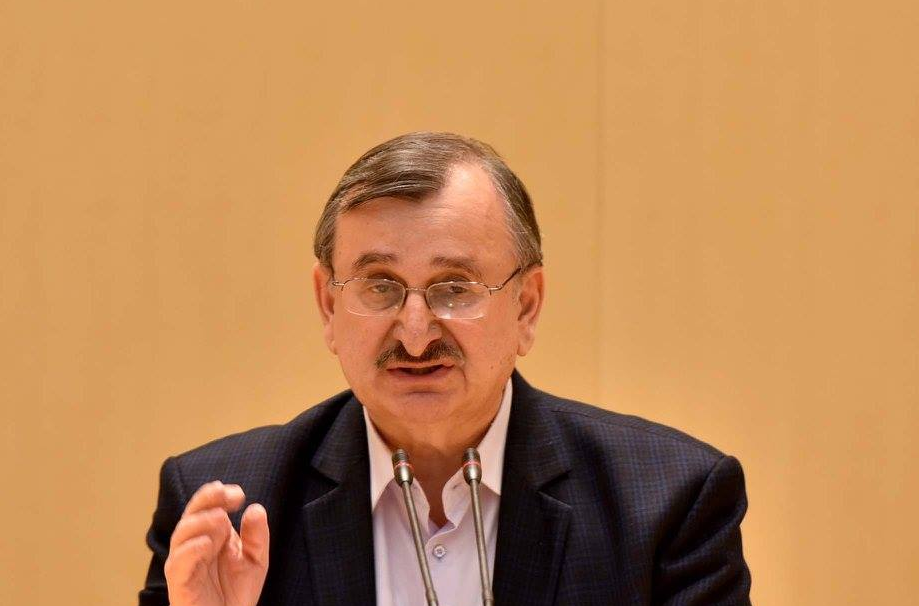
“The pro-government propaganda channel Imedi disseminated information that Kulevi was removed from the sanctions list ‘due to a lack of evidence.’
But in reality, this happened thanks to the attitude of the United States and the European Union toward Azerbaijan.
The majority of Azerbaijani refined petroleum products pass through this port. Sanctions would have been a massive blow to the Azerbaijani economy.
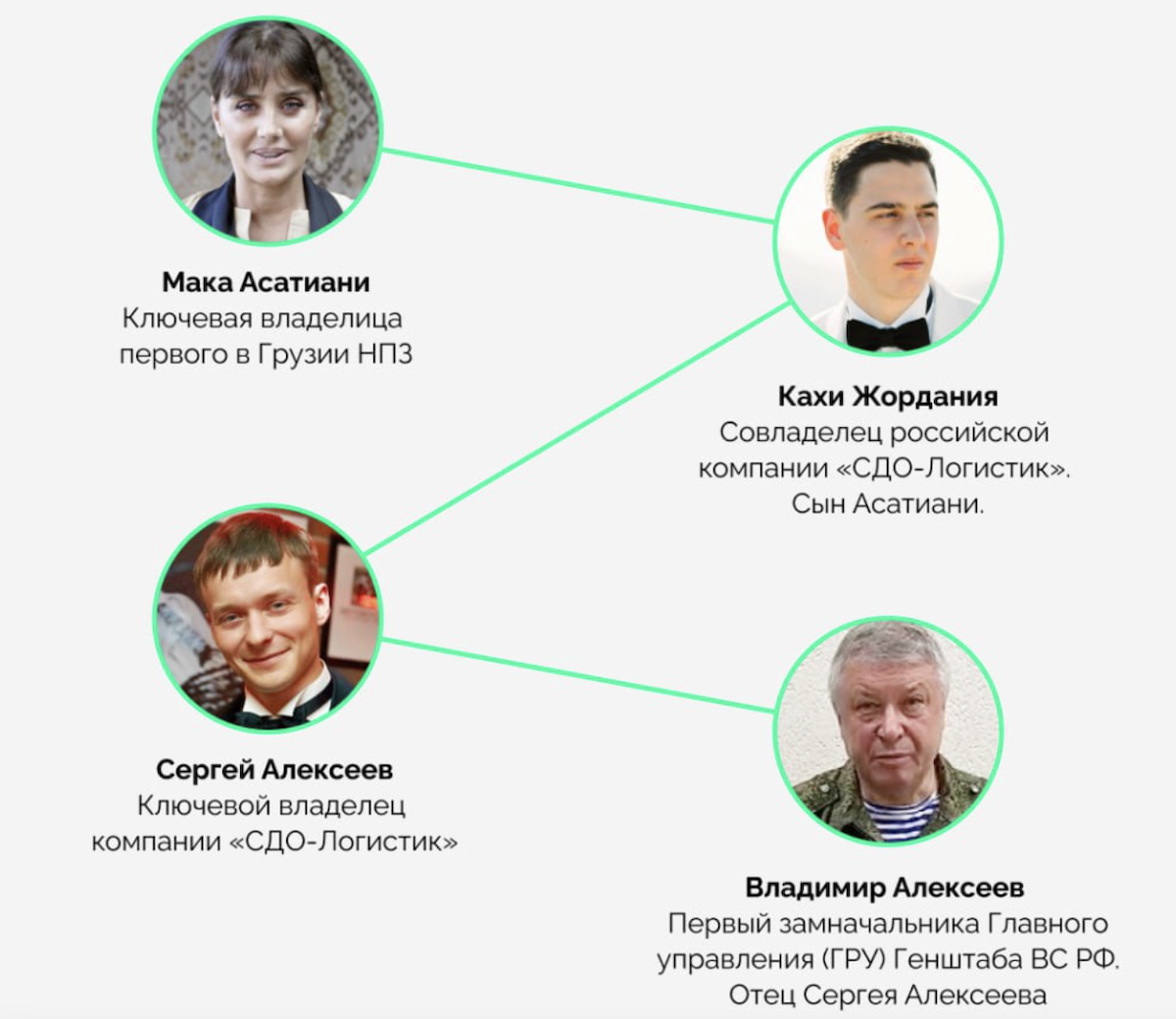
The problems for the Kulevi port arose because of an oil refinery under construction nearby. The plant has not yet been put into operation, but in November, December of last year, and in January of this year, it already managed to import Russian oil worth $116 million.
This would have been impossible without the Kulevi terminal, as a non-functioning plant could not have produced anything. According to our information, similar manipulations were also carried out in February. The European Union has written off these sins. Whether a new countdown begins from this day will soon become clear,” believes Roman Gotsiridze.
EU excludes Georgia’s Kulevi from sanctions list