'Georgia could completely lose its visa-free regime with EU,' says European Commission report






EU may revoke Georgia visa-free
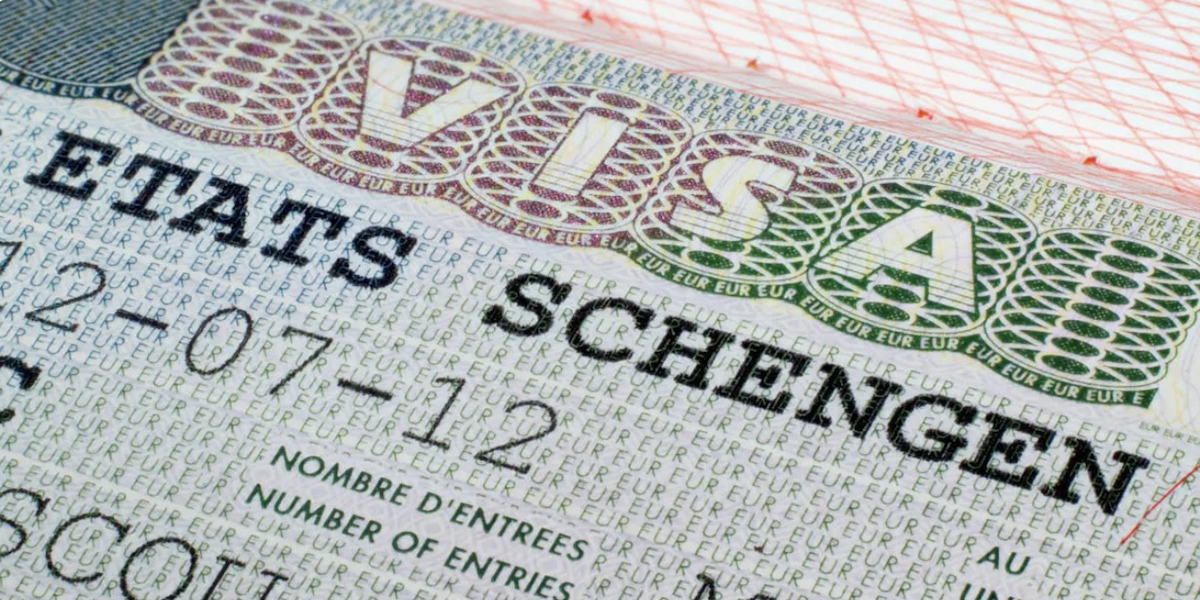
In its new report, the European Commission warns that all Georgian citizens may at some point face a suspension of the EU visa-free regime.
According to Radio Free Europe/Radio Liberty, Brussels says that starting from December 30, 2025, after new rules come into force, visa restrictions could be introduced gradually – first for holders of diplomatic and service passports, and later for all citizens of the country.
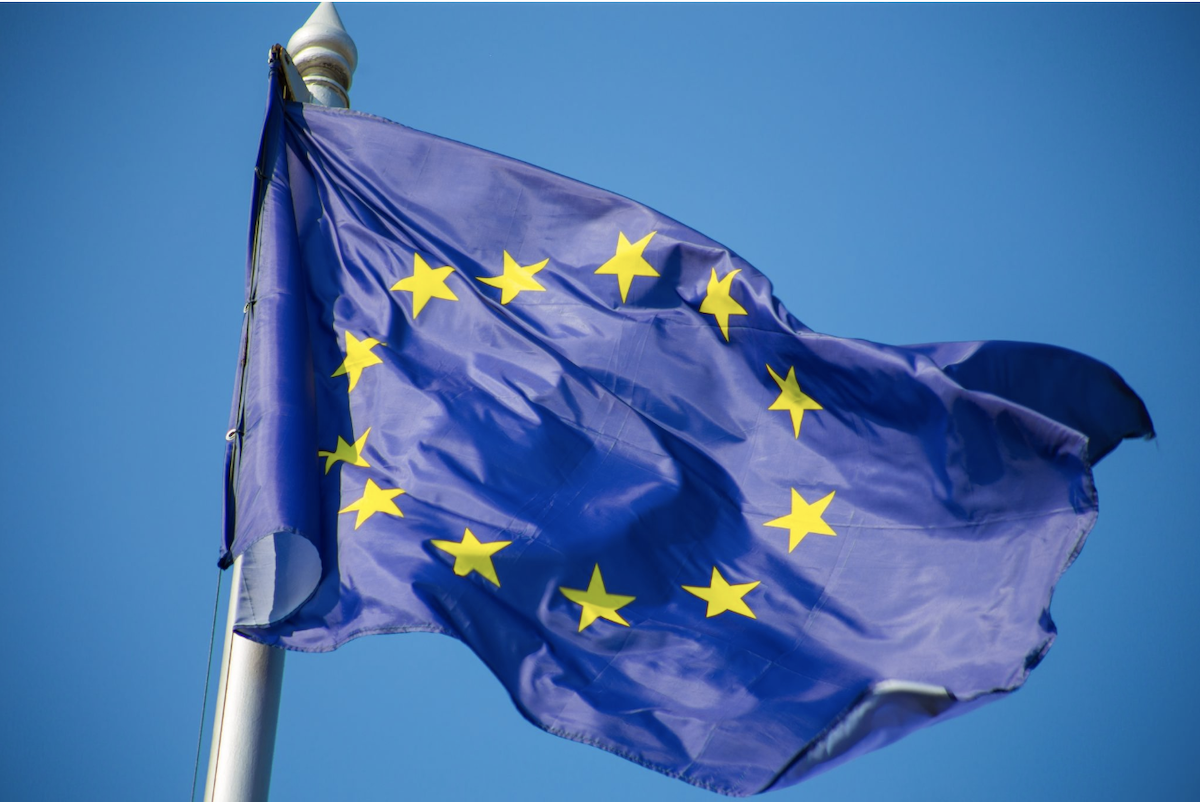
The European Commission’s report says that Georgia’s rollback from democratic principles is “systemic and deliberate,” and that the authorities have reversed previously implemented reforms in recent years despite numerous recommendations.
“Georgia has breached many of its commitments under the visa liberalization dialogue, has implemented virtually none of the recommendations, and despite repeated calls, in 2024–2025 showed an even greater regression, including in the protection of fundamental rights and freedoms,” the report states.
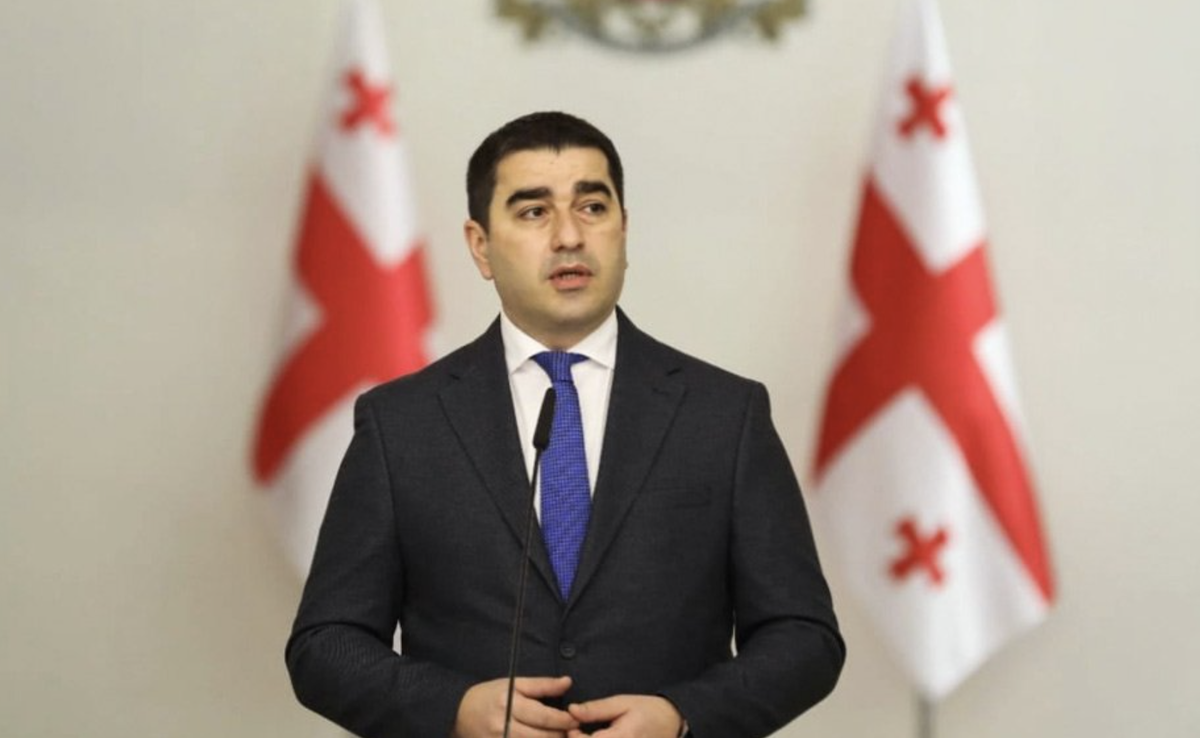
Since January 2025, the European Union has already suspended visa-free travel for holders of Georgian diplomatic and service passports, although some EU countries – notably Hungary and Slovakia – did not support the decision.
However, new rules approved in November simplify the procedure for the European Commission to suspend visa liberalization. According to the report, at the first stage restrictions will be applied to Georgian officials responsible for failing to comply with the recommendations, and at the second stage the visa-free regime could be fully revoked.
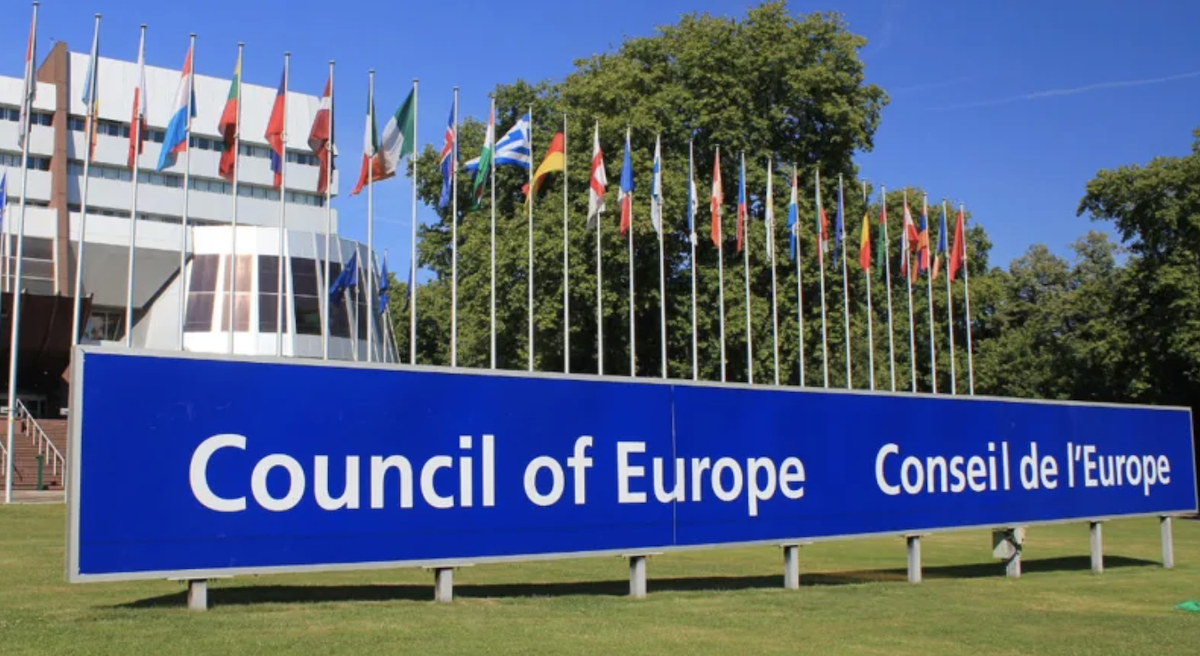
On 17 November, the Council of the European Union finally approved a revised mechanism allowing for a faster and more effective suspension of visa liberalization for third countries where the visa-free regime is misused or runs counter to the EU’s interests.
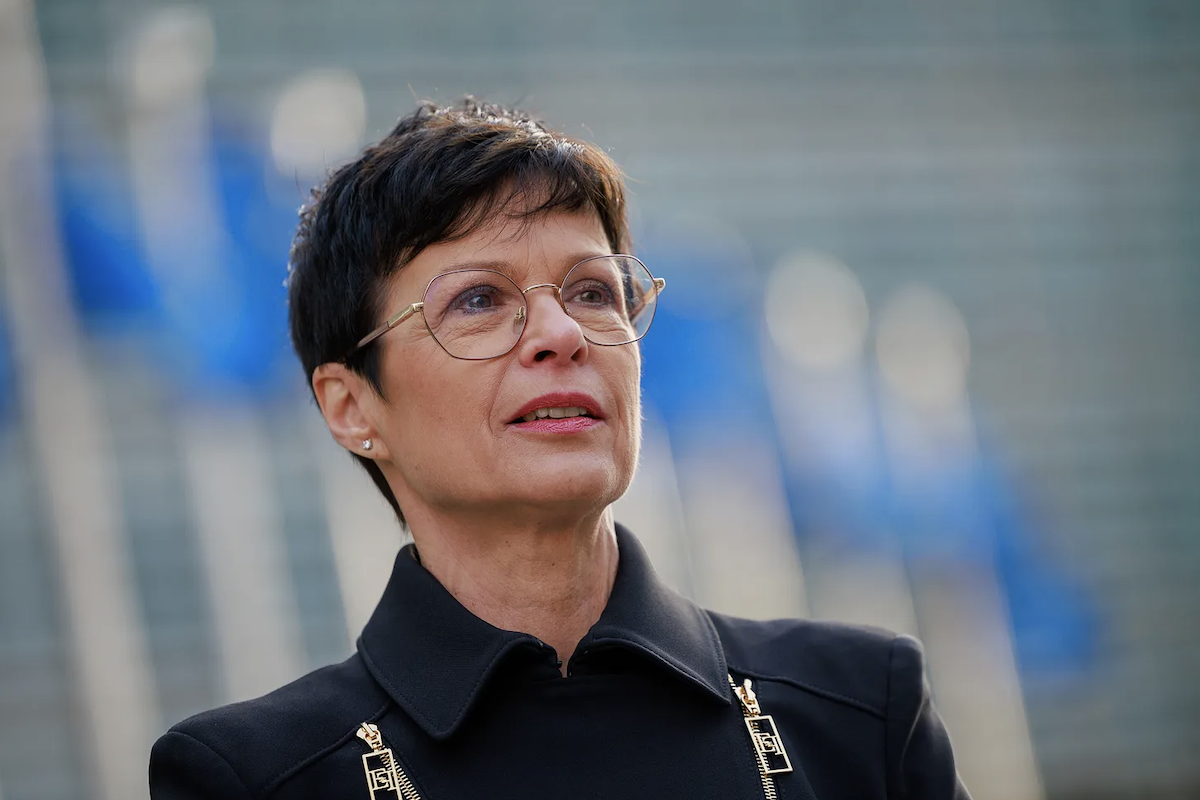
EU Commissioner for Home Affairs and Migration Magnus Brunner said that abuse of the visa-free regime could create serious security and migration problems and that, in the absence of cooperation, “clear sanctions” would be required.
The Council of the European Union, with the exception of Hungary, once again called on the Georgian authorities to release unjustly detained politicians, activists, and journalists, repeal repressive legislation, and immediately meet the criteria for visa liberalization.
In response, Prime Minister appointed by Georgian Dream, Irakli Kobakhidze said the EU has “no grounds to criticize” the country.
According to the European Commission’s 2025 EU Enlargement Report, the foundations of Georgia’s EU integration process have been significantly weakened over the past year.
The document says that legislative changes and repressive measures adopted by the Georgian government have curtailed the ability of civil society, independent media, and the opposition to actively participate in political processes and to function normally at all.
EU Commissioner for Enlargement Marta Kos stated that Georgia has shown the worst performance in the history of EU enlargement, adding that the situation can improve only if the government stops putting pressure on the opposition, civil society, and the media.