

Armenia, Azerbaijan, and Georgia, top stories this morning
 Live
Live




-
Monday, October 12, Georgia. Russia has temporarily banned imports from several Georgian companies
-
Monday, October 12, Azerbaijan. Azerbaijan’s parliament and NGOs urge US Congress to fully repeal anti-Azerbaijan Section 907 of Freedom Support Act
-
Monday, October 12, Armenia.
-
Top stories in Azerbaijan, Armenia, and Georgia from 5-9 October, 2026

-
Monday, October 12, Georgia. Russia has temporarily banned imports from several Georgian companies
● EU foreign ministers will discuss the situation in Georgia in Luxembourg today, 12 October. According to EU Ambassador Pawel Herczynski, the meeting was prompted by a deterioration in democracy and human rights in the country. The focus will be on arrests of protesters and restrictions on the activities of international funds. Grigol Gegelia, a representative of the opposition Lelo party, said ahead of the planned discussions that the government had squandered opportunities to improve relations with the EU and would now face serious consequences.
● The European Commission will publish its new enlargement report in around three weeks. EU Ambassador Pawel Herczynski said the previous report on Georgia was extremely negative and that the situation had deteriorated further since then. He said problems with Georgia’s European integration process were the result of laws adopted by the government and its anti-European rhetoric.
● The EU has allocated €38 million for new projects in Georgia. Pawel Herczynski announced the funding at a Europe Day event in Telavi, in the Kakheti region. Programmes planned for 2026 will cover education, employment, rural development, expanding women’s economic opportunities, support for young people and vulnerable groups, and environmental protection. Addressing the audience in Georgian, the ambassador said the government’s anti-European rhetoric was damaging relations between Georgia and the EU, but stressed that the Union would continue to support Georgia’s European future.
● Prime Minister Irakli Kobakhidze criticised the EU delegation’s decision to invite the musical group “Impossible Situation” to the Europe Day event in Telavi. This is the second year in a row that the delegation has invited a performer known for insulting supporters of the ruling Georgian Dream party. Kobakhidze called the move demonstrative and said such decisions undermine public trust in European institutions.
● Russia has temporarily banned imports from several Georgian companies. The document lists Teliani Veli, Tbilgvino, Askaneli Brothers, Weinman, Georgian Beer Company, Coca-Cola and Nabeglavi. Georgian wine exports to Russia fell to a four-year low in January–August 2026, reaching 34,898 tonnes worth $102.2 million. This was a 6.9% decline in volume compared with the same period last year. Russia nevertheless remains the largest export market for Georgian wine. JAMnews will publish a detailed analysis soon.
● Opposition politician and former National Bank president Roman Gotsiridze has warned that Georgia is becoming increasingly dependent on Russian natural gas. According to his figures, the share of Russian gas in the country’s total consumption rose from 1.7% in 2018 to 28% in 2025. Gotsiridze said this energy dependence gives Russia additional leverage to exert political pressure on Georgia and blamed the government for the situation.
● Irakli Kobakhidze described the US easing of restrictions on imports of Russian diesel fuel as vindication of his government’s policies. “This decision has once again shown that Georgia was right not to join the sanctions against Russia,” the prime minister said.
● Irakli Kobakhidze has raised the possibility of plea deals for those convicted in connection with the 4 October 2025 case, involving an attempt to seize the presidential administration building. He said the government was ready to take a “humane decision” on the prisoners if they admitted their crimes and expressed remorse. Kobakhidze accused some opposition figures of urging the prisoners not to accept plea deals “so that they can continue their efforts to deepen political confrontation in society”.
● Irakli Kobakhidze has accused Amnesty International of spreading disinformation, saying the organisation had “lost the trust of Georgian society”. The prime minister endorsed criticism of the organisation by US Secretary of State Marco Rubio, who described Amnesty International as a “rogue organisation” on 8 October. Rubio’s remarks followed a question about possible violations of international law involving the use of a US military airbase in Portugal.
● MP Guram Macharashvili has accused EU Ambassador Pawel Herczynski of applying double standards. Macharashvili claims the ambassador takes different positions on police violence during protests in Georgia and France.
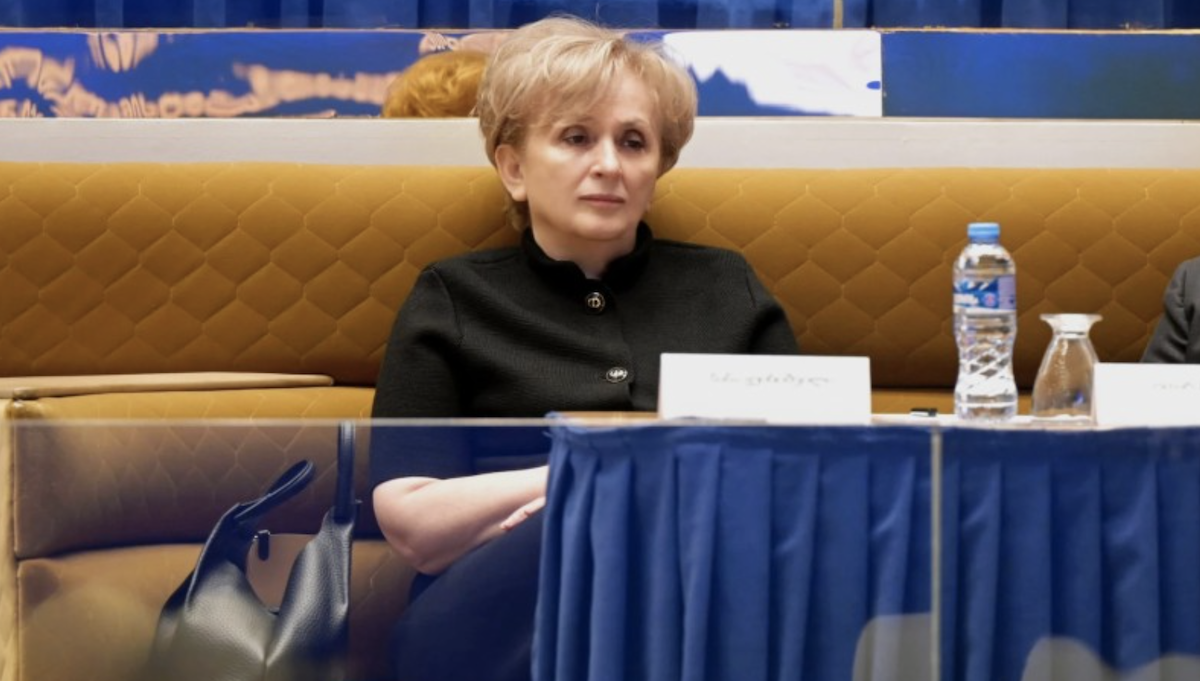
● The National Bank of Georgia has distanced itself from alleged unlawful business activities involving board member Nana Keinishvili. The bank said Keinishvili had acted independently and had not influenced the supervision of virtual asset service providers. The National Bank’s council has suspended her participation in its activities pending the completion of the investigation.
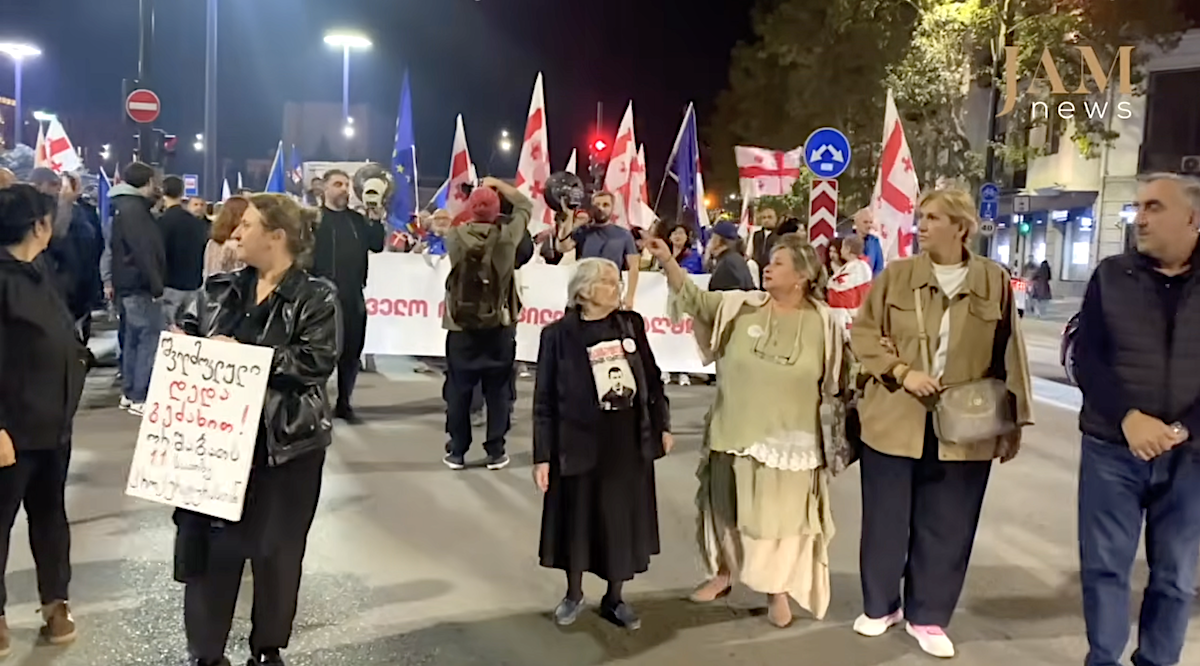
● Tbilisi’s 43rd pro-European “Saturday march”, held on the evening of 10 October, focused on systemic problems in Georgia’s prisons, following several allegations of torture and abuse made by inmates over the previous week. Public outrage was sparked by prisoner Giorgi Davitadze, who accused staff at Rustavi Prison No. 6 of sexual abuse. Read more here.
● Local residents staged a protest near the Lilo landfill on the outskirts of Tbilisi, demanding that it be relocated. They said they had been campaigning for its removal for 16 years, but the problem remained unresolved. Residents complained of unbearable smells, unsanitary conditions and health problems they associate with living near the landfill. They said the situation was particularly difficult in the evenings, when opening windows was impossible.
● An international symposium entitled “God, Homeland, Man” has opened in Tbilisi to mark the 1,700th anniversary of Christianity becoming the state religion of Georgia. Patriarch Shio III spoke about the relationship between technological progress and spiritual values. He also addressed residents of Abkhazia and the Tskhinvali region, as well as Georgian citizens living abroad. Irakli Kobakhidze stressed the importance of cooperation between the state and the Church, while parliamentary speaker Shalva Papuashvili highlighted Christianity’s role in preserving national identity.
● In his Sunday sermon, Patriarch Shio III said people should not rely solely on their own knowledge and efforts to achieve success. He stressed the importance of faith in God, prayer and seeking blessings. The sermon focused on the Gospel account of the miraculous catch of fish.
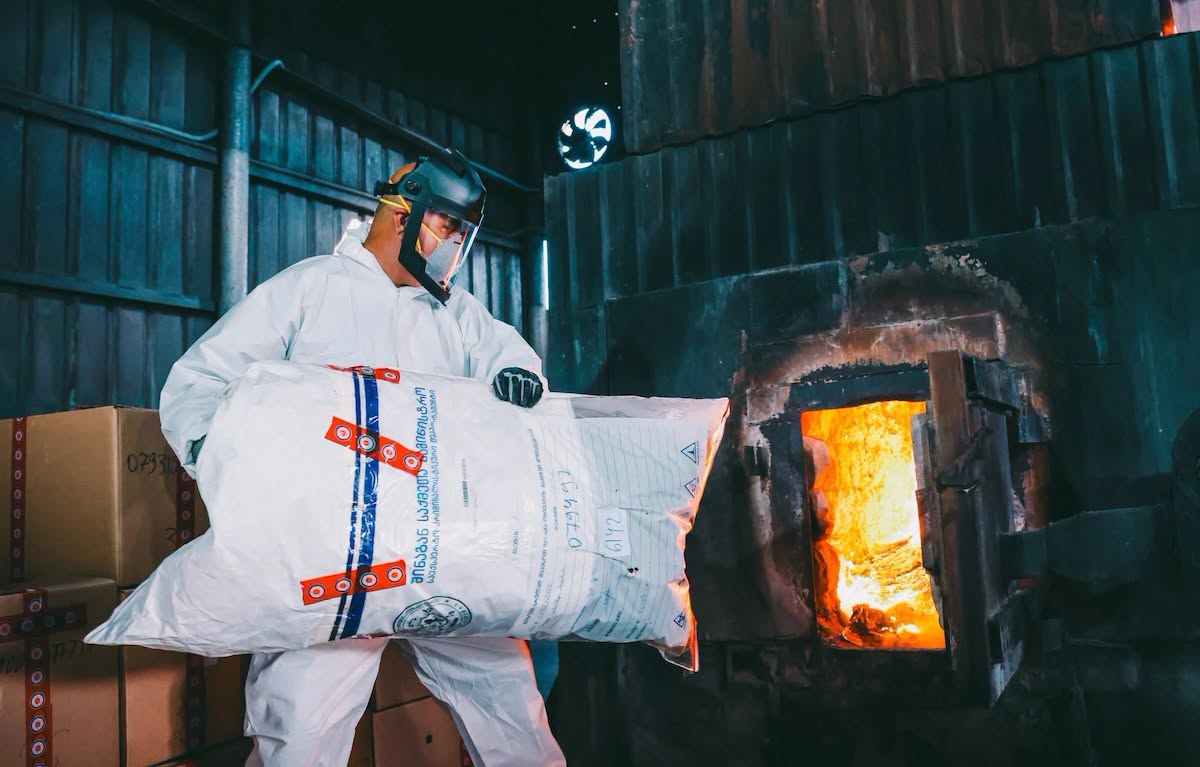
● Georgia’s Interior Ministry said around half a tonne of narcotic and psychotropic substances had been destroyed over the weekend, with an estimated black-market value exceeding 34 million lari (around $12 million). The substances included heroin, cocaine, methadone and others. According to the ministry, the drugs had been seized at various times and were destroyed under the supervision of a special commission as part of closed criminal cases.
-
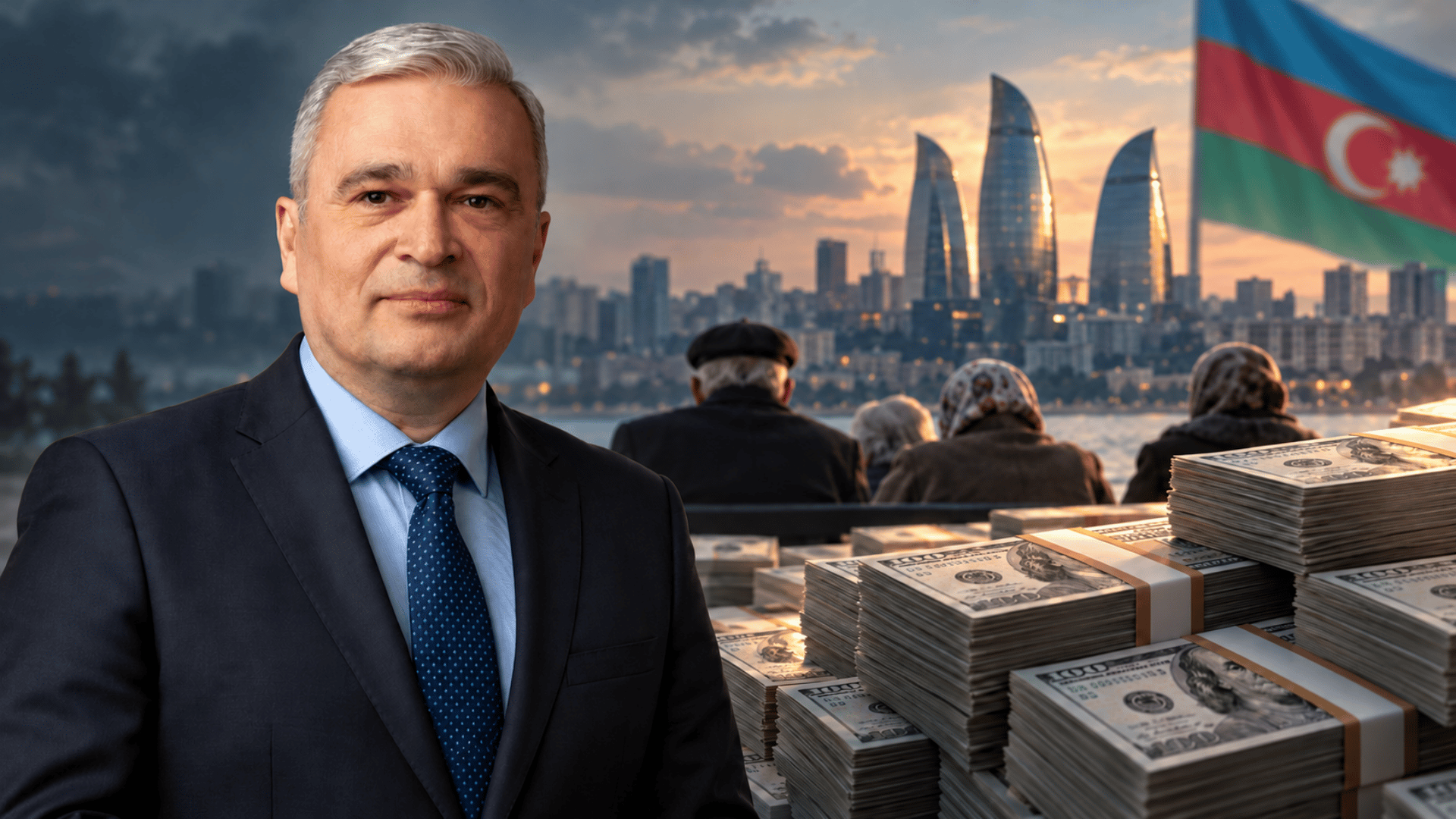
Monday, October 12, Azerbaijan. Azerbaijan’s parliament and NGOs urge US Congress to fully repeal anti-Azerbaijan Section 907 of Freedom Support Act
● Members of Azerbaijan’s Milli Majlis and representatives of Azerbaijani NGOs have called on the US Congress to fully repeal Section 907 of the Freedom Support Act.
Background: Section 907 of the US Freedom Support Act prohibits US government assistance to Azerbaijan. It was adopted by the US Congress in 1992 after Azerbaijan imposed a blockade on Armenia, following Armenia’s occupation of Karabakh and seven surrounding districts during the First Karabakh War. In August 2025, President Donald Trump signed a document suspending the provision.
In a joint letter sent to US senators and members of the House of Representatives over the weekend, 30 MPs and 11 NGO leaders and representatives also urged them to abandon unilateral assessments that could complicate the peace process between Azerbaijan and Armenia. The letter states, in particular:
- Section 907 no longer reflects the current state of Azerbaijani-Armenian relations.
- Its full repeal would send an important signal of congressional support for the regional peace process and mark the beginning of a new chapter in relations between Azerbaijan and the US.
- Azerbaijan has spent more than 30 years dealing with the consequences of conflict and the occupation of around 20% of its internationally recognised territory.
- Approximately 13% of the country’s territory is contaminated with an estimated 1.5 million landmines.
- The fate of thousands of people reported missing during the First Karabakh War remains unknown.
- The president of Azerbaijan is pursuing a strategic course aimed at achieving peace.
- Azerbaijan initiated the preparation of a peace agreement and submitted a draft to the Armenian side.
The signatories praised Donald Trump’s role in advancing the peace process and the Washington peace summit held on 8 August 2025.
“Peace between Azerbaijan and Armenia should not become a subject of inter-party disputes in Washington,” the letter states.
● The letter was a response to a statement addressed to US Secretary of State Marco Rubio by more than 100 American lawmakers, including 26 senators and 75 members of Congress. They called for an end to US military assistance to Azerbaijan over what they consider unjust convictions of ethnic Armenians in Baku. The statement also raised concerns about the destruction of Armenian Christian heritage in Azerbaijan and the continued military occupation of sovereign Armenian territory.
● Ramzan Kadyrov, head of the Chechen Republic within the Russian Federation, has visited Azerbaijan. During a meeting with President Ilham Aliyev, Kadyrov expressed condolences over the deaths of passengers aboard an Azerbaijani airliner that was struck by Russian air defences as it approached Grozny from Baku in December 2024. Following the meeting, Aliyev and Kadyrov toured Baku’s White City, a modern residential district built as part of a major redevelopment project. The area was formerly known as Black City and became a centre of the oil industry in the late 19th and early 20th centuries. For more than 150 years, industrial waste polluted the district, creating numerous “oil lakes”. The Azerbaijani president launched a major environmental redevelopment project there in 2011.
● Registration has been completed for a new joint Azerbaijan-Kazakhstan venture capital fund, named Tamar Ventures. Its founders are Azerbaijan’s Innovation and Digital Development Agency and Kazakhstan’s White Hill Capital venture capital fund. The fund has authorised capital of $1 million. White Hill Capital, which has operated since 2021, reportedly invests primarily in start-ups from Central Eurasia.
● Cambodian Prime Minister Hun Manet has arrived in Azerbaijan on an official visit, accompanied by his wife.
● Azerbaijan’s National NGO Forum has urged the public not to “fall for provocations by external forces” amid new school dress-code requirements. A cabinet resolution sets a uniform standard for school clothing across the country, in line with the secular nature of general education. It also establishes requirements for teachers’ clothing, which must be “professional and secular”. Some commentators have linked the measures to a ban on wearing hijabs in schools. “In recent days, information attacks have been launched in Iran and other countries against Azerbaijan’s secular system of government. Their authors promote the principles of Sharia law and create artificial divisions in society. We strongly condemn the politicisation of dress-code requirements for pupils and teachers and attempts to turn this issue into a religious confrontation,” the forum said in a statement. The statement describes secularism as a historic achievement, a state tradition and a national asset of Azerbaijan. Azerbaijan made history as the first country in the Muslim East and the Turkic world to establish a tradition of secular statehood. […] Those seeking to return Azerbaijan to a dark age of ignorance, impose clerical rule and turn the country into a version of Iran governed by religious dogma will not achieve their aims,” the statement said.
● Participants in the fourth international conference, the Baku Dialogue on Missing Persons, have made a familiarisation trip to Karabakh.
● A group of travellers from the international Most Traveled People club were given the opportunity to observe demining operations in Karabakh and surrounding areas that Azerbaijan regained control of following the 2020 Second Karabakh War. Representatives of Azerbaijan’s National Agency for Mine Action (ANAMA) outlined the scale of mine contamination attributed to Armenian armed forces during the period of occupation. Particular attention was paid to how the mine threat prevents former internally displaced persons from safely returning to their homes and hampers reconstruction. The group comprised around 40 people from 13 countries.
● Azerbaijani judoka achieved a historic result at the World Championships held in Baku from 4 to 11 October. In the team standings, they won one gold, two silver and four bronze medals. The individual competitions also produced a record haul of seven medals.
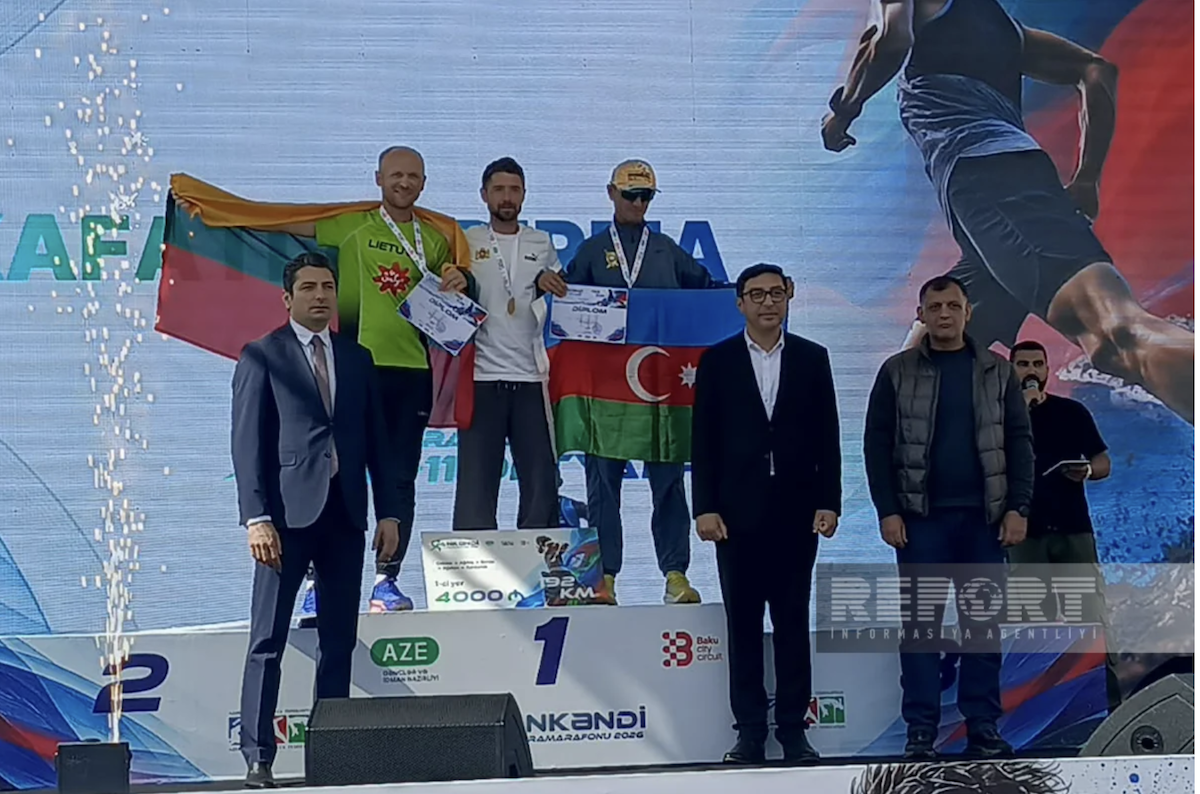
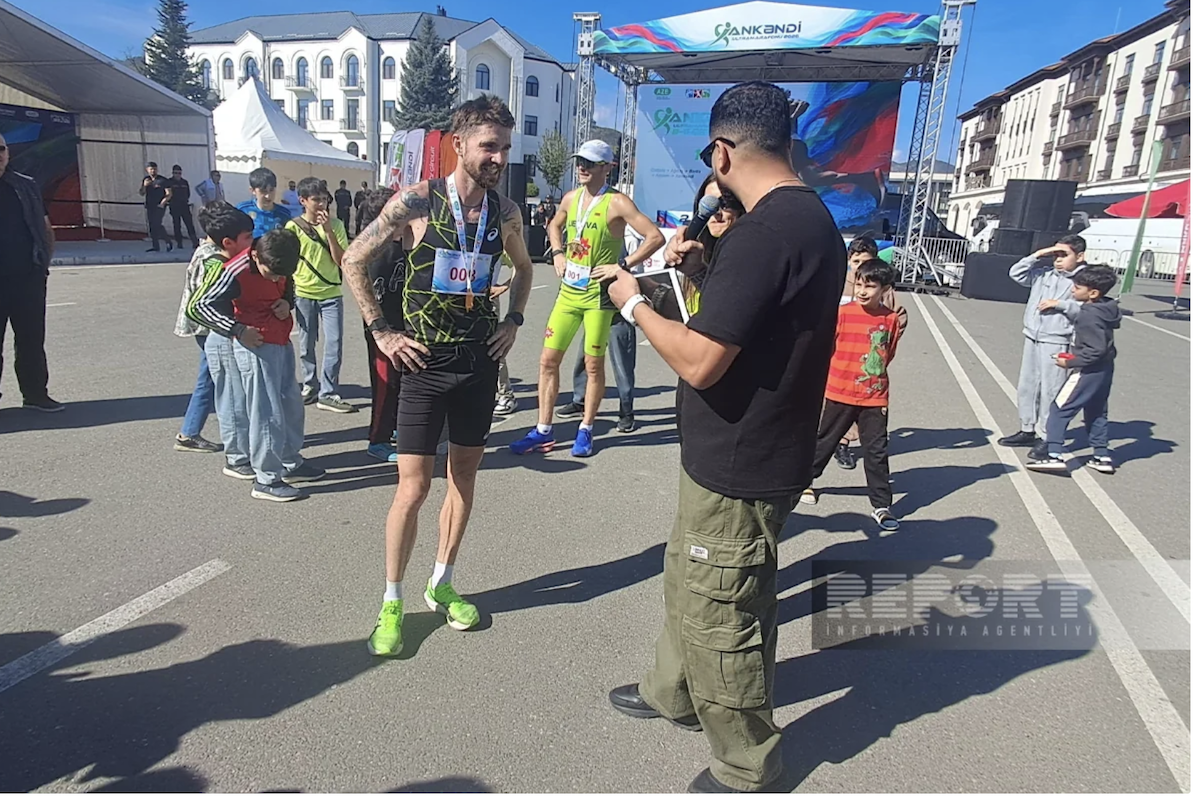
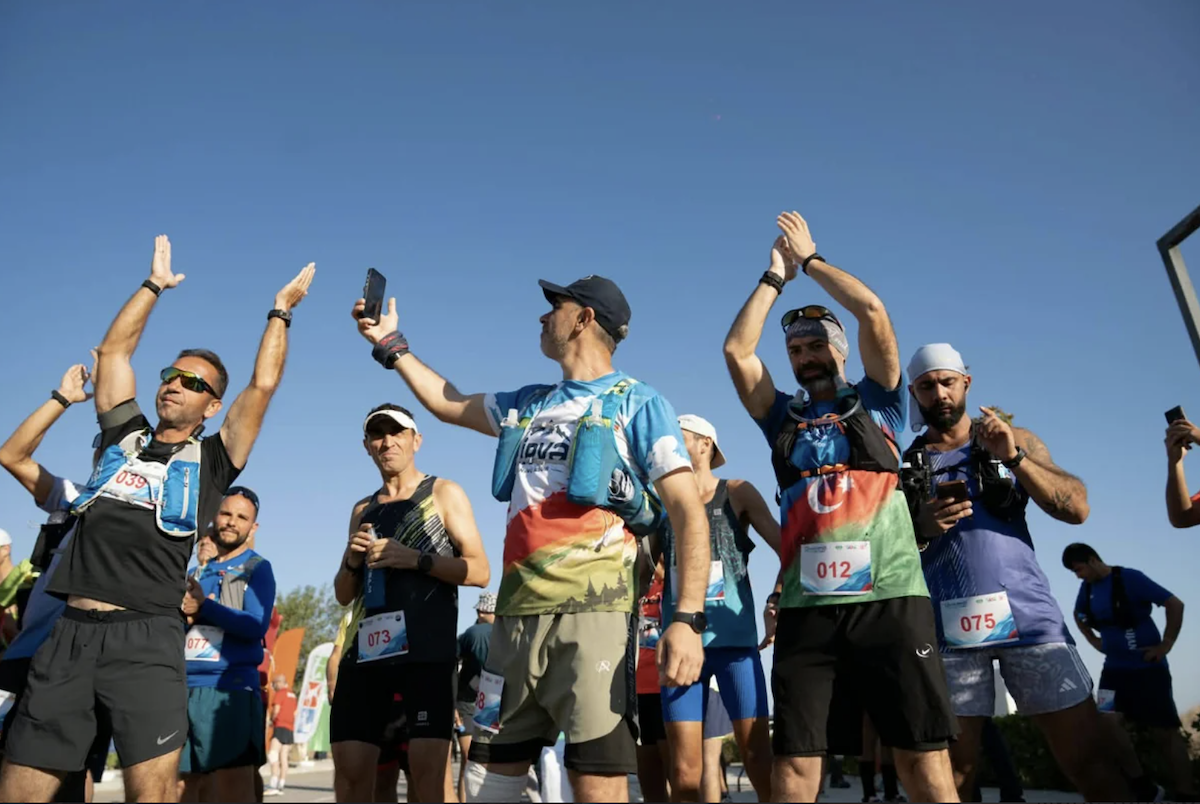
● Winners of the third international ultramarathon, held from 7 to 11 October along the 192-kilometre route from Gabala to Khankendi in Karabakh, have been awarded their prizes in Khankendi. Georgian athlete David Kharazishvili won the men’s fourth and final stage. Andrei Egorov of Lithuania finished second, followed by Azerbaijan’s Elshad Nasibov in third place. Ukraine’s Elena Shevchenko won the women’s overall title. Leila Abdinova of Russia came second, while Azerbaijan’s Natalia Vallek finished third. Kharazishvili and Shevchenko also won the first two stages of the ultramarathon. A total of 97 athletes from six countries took part.
-
Monday, October 12, Armenia.
● An EU regulation liberalising around 80% of Armenian goods exports to the EU comes into force today, 12 October. Experts say the move is expected to provide a significant boost to Armenia’s flower-growing industry. In 2025, Armenia produced around 204 million flowers, 70% of which were intended for export. Russia was traditionally a major market for Armenian flowers but banned their import after Yerevan declared its commitment to European integration. Armenian producers are already exporting flowers to Eastern Europe and Central Asia. Trial shipments have also been made to Turkey, and talks are under way to enter the UAE market.
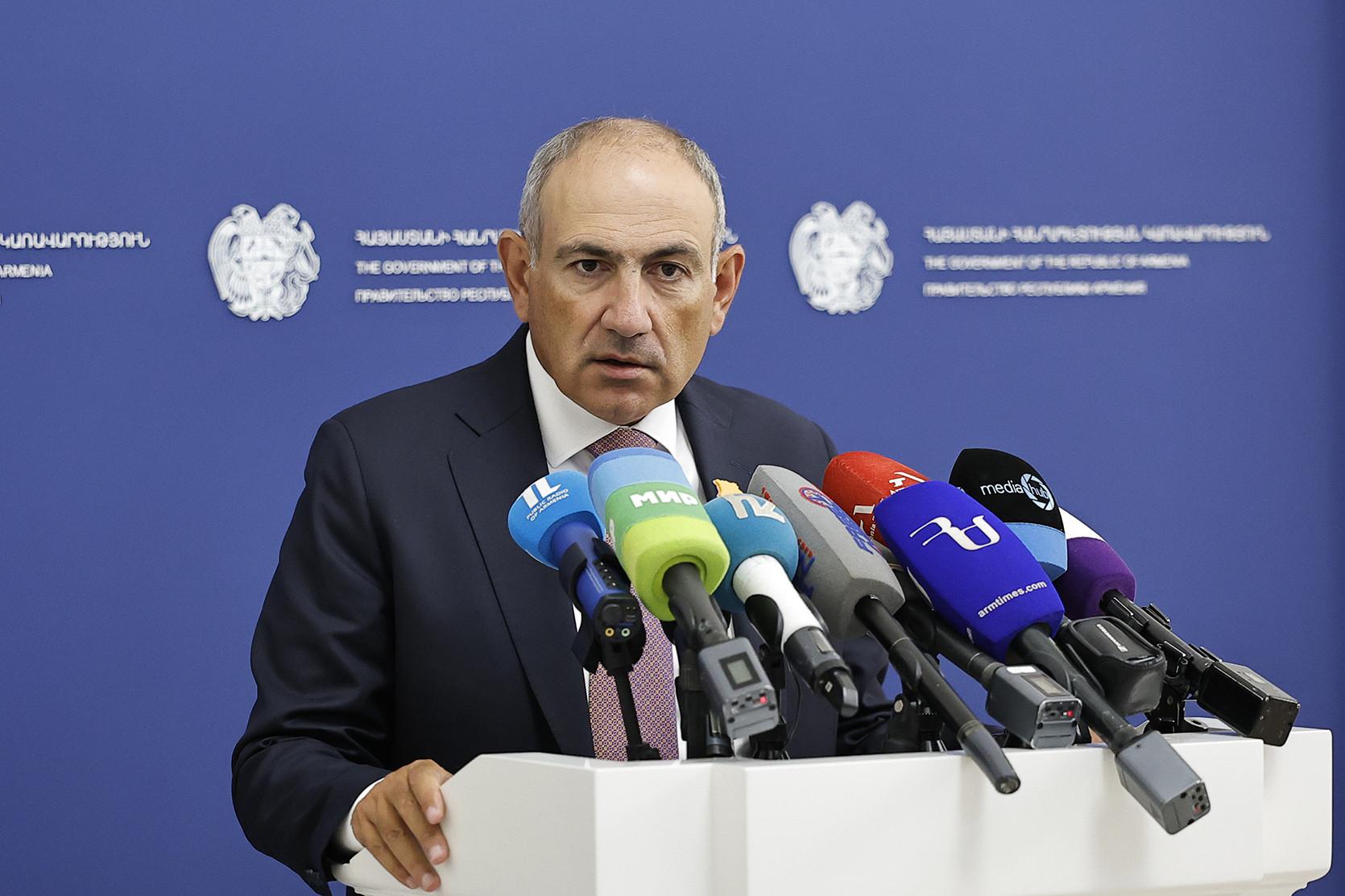
● Prime Minister Nikol Pashinyan has officially launched the development of the Amulsar gold mine. He said the fate of the investment project was crucial for attracting further investment to Armenia. The government needs to review the experience gained so far and develop approaches for implementing other major investment programmes, he said. Pashinyan noted that the project had previously sparked various forms of public discontent, but no protests were currently taking place. In his view, this indicated that the public had accepted the project. The mine is expected to boost Armenia’s GDP by 1.5% annually.
● The 35th anniversary of Armenia’s independence was marked with a formal ceremony in Washington. Armenia’s ambassador said the event featured speeches by US Deputy Secretary of Commerce Jeffrey Kessler, US Deputy Assistant Secretary of State for European and Eurasian Affairs Peter Andreoli, and NVIDIA vice-president Rev Lebaridian. “The discussions addressed deepening the Armenian-American strategic partnership and strengthening peace,” the ambassador said.
● More than 100 American lawmakers, including 26 senators and 75 members of the House of Representatives, addressed US Secretary of State Marco Rubio. They called for an end to US military assistance to Azerbaijan over what they consider unjust convictions of ethnic Armenians in Baku. The statement also raised concerns about the destruction of Armenian Christian heritage in Azerbaijan and the continued military occupation of sovereign Armenian territory.
● Armenian Foreign Minister Ararat Mirzoyan will visit Poland on 12–13 October to attend the Warsaw Security Forum.
● Armenia has some of the most expensive petrol in the region. According to Numbeo, a litre costs around $1.44, compared with approximately $1.20 in Georgia, $1.29 in Turkey and $0.65 in Azerbaijan. Iran has the cheapest petrol among Armenia’s neighbours, at around $0.35 per litre.
● Yandex taxi services in Yerevan were disrupted following a Ukrainian strike on the company’s data centre in the Russian city of Vladimir. The Yandex mobile app temporarily stopped working. Other services were also affected, including public transport arrival-time information in Yerevan, which is available only through the Yandex app.
● Yerevan celebrated its 2,808th anniversary with a series of events, including concerts, exhibitions and shows.
● Fashion Week has opened in Yerevan.
-
Top stories in Azerbaijan, Armenia, and Georgia from 5-9 October, 2026