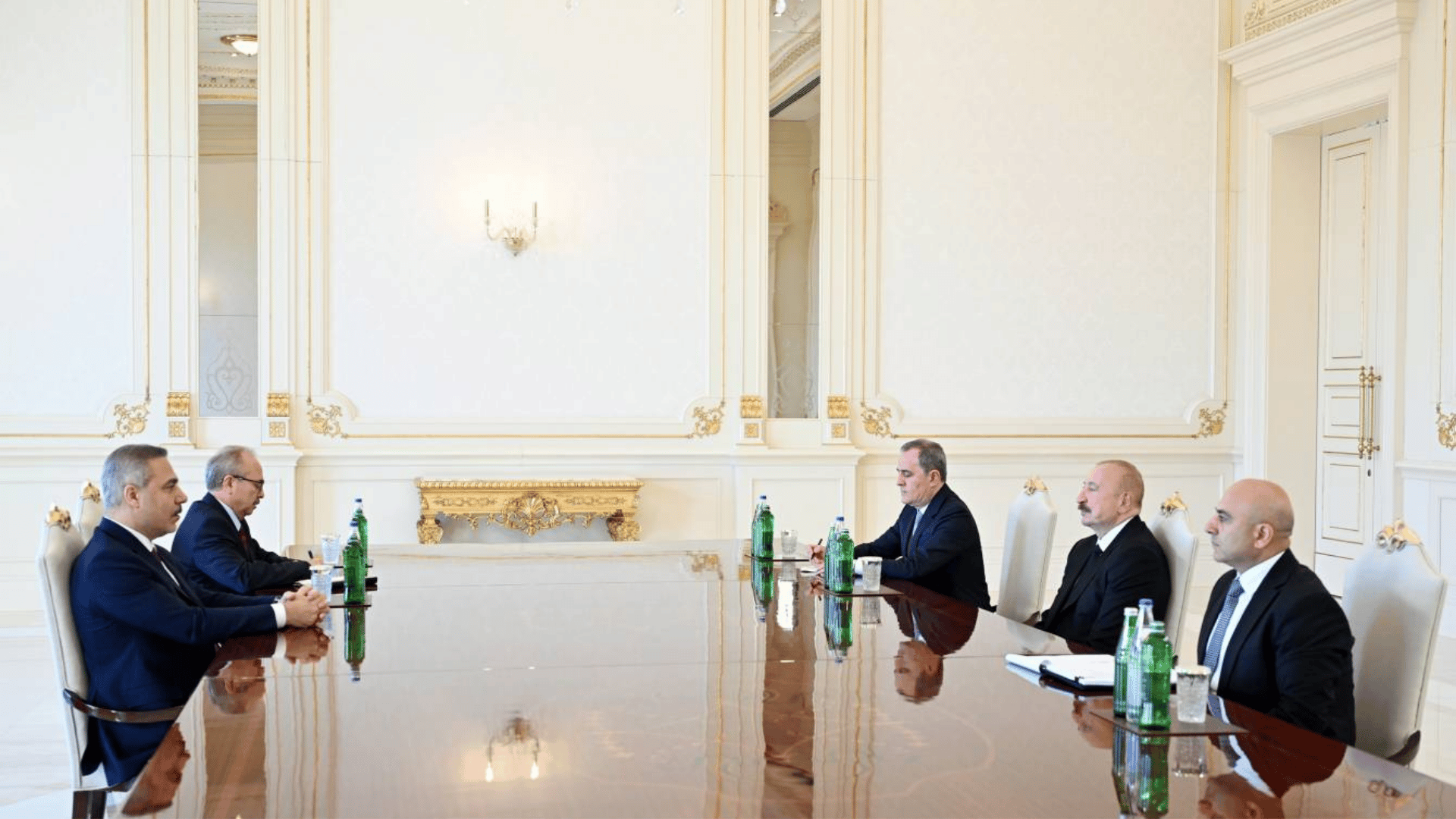
Pre-election mood in South Ossetia: ‘So calm it’s almost boring’






Presidential election in South Ossetia
Early presidential elections will be held in South Ossetia on 18 September, with four candidates standing.
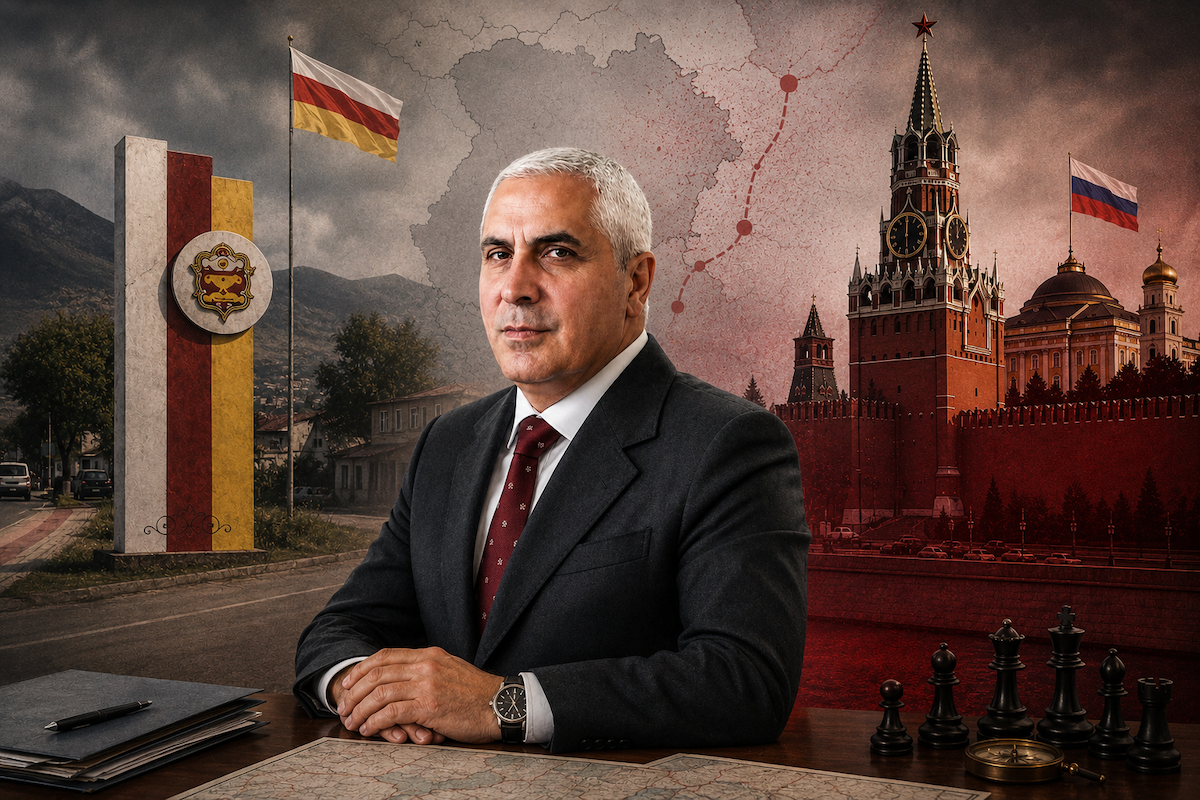
However, the contest can only loosely be described as a race, as there has been a clear frontrunner from the outset – acting president and Prime Minister Marat Kambolov, who was sent from Russia in May 2026.
Between May and August, Kambolov, who was immediately granted South Ossetian citizenship, rose from adviser to then-President Alan Gagloyev to prime minister. Following Gagloyev’s resignation, he became acting president and soon afterwards a presidential candidate.
Kambolov’s candidacy is backed even by much of the opposition, while the Kremlin is also seen as standing firmly behind him.
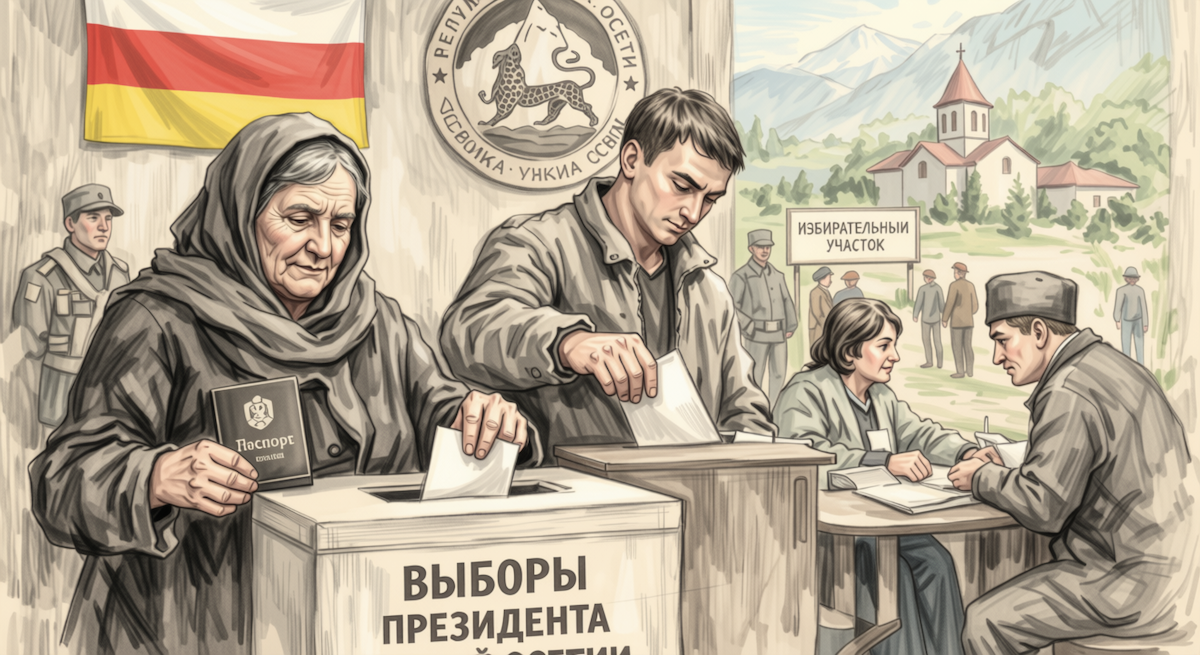
Unlike Kambolov, an outsider to South Ossetia, the other three candidates were born in the region. But that appears to be where their advantages end. Most experts describe them as token candidates who have made little attempt to seriously compete for the presidency.
They are:
- Zurab Kokoyev, leader of the Unity party;
- Kazbek Kodoyev, an independent candidate and adviser to the rector of South Ossetian State University;
- Murat Valiyev, a state security officer and candidate for the Patriots of Alania party.
None of the three has campaigned among voters, limiting their election activities to outlining their vision for South Ossetia’s development during live televised debates.
Campaign with little excitement
Marat Kambolov, by contrast, has been notably active. In less than four months since arriving in South Ossetia, he has addressed a significant number of problems that had been building up for years.
For example, he has:
- simplified the cumbersome, hours-long process of checking documents at the Nizhny Zaramag checkpoint on the border with Russia;
- overseen the recalculation and increase of pensions;
- raised salaries for some categories of military personnel and Emergencies Ministry staff;
- begun addressing problems in healthcare and the social sector.
And he has done all this not as part of his election campaign, but ostensibly simply in the course of carrying out his duties as prime minister.
It is therefore unsurprising that a large proportion of voters intend to cast their ballots for him.
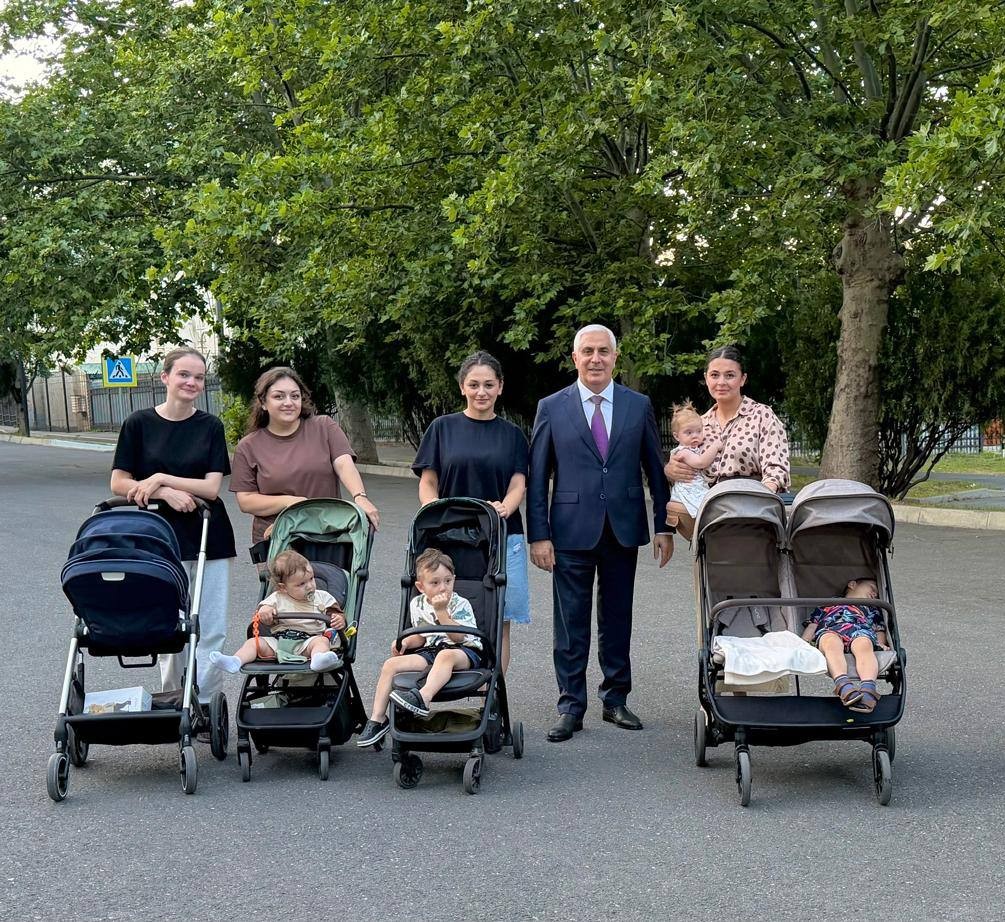
Such certainty has done little to enliven the pre-election atmosphere, with local experts and politically engaged residents describing it as not merely “calm”, but “dull”.
“Everything is stable. There are no conflicts, incidents, mud-slinging or fierce political confrontation,” one Tskhinval resident said, noting the stark contrast with previous election campaigns, each of which had turned into something of a political blockbuster.
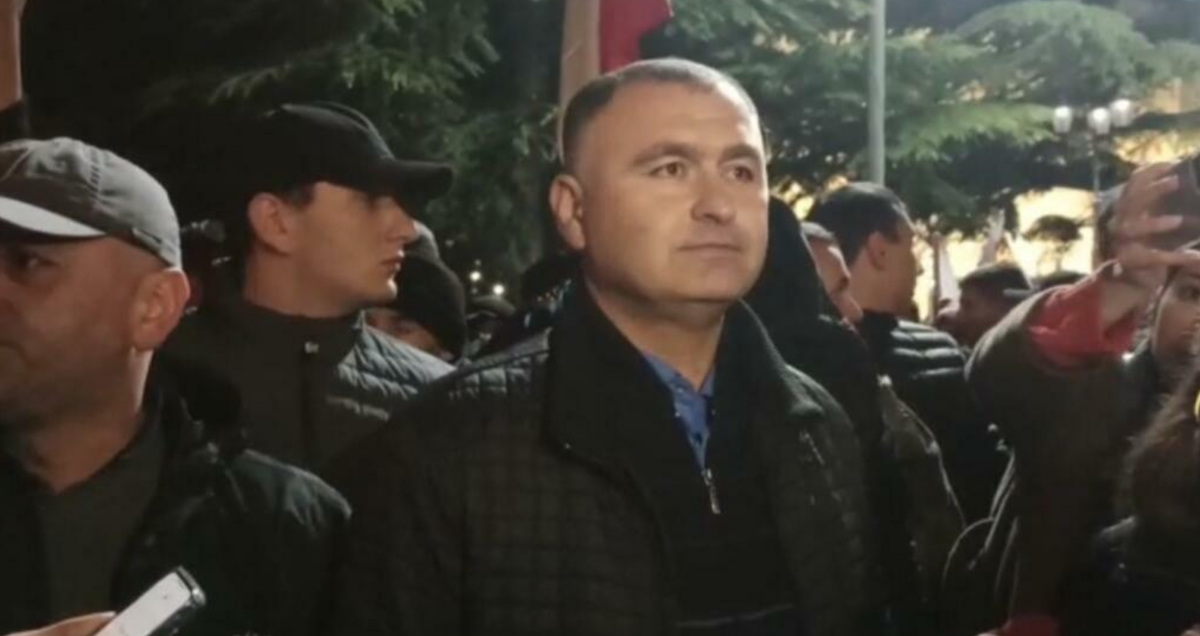
Even Kambolov’s rival backs him
In addition to South Ossetia, polling stations will open in Russia – four in Vladikavkaz and one in Moscow.
Unlike during previous presidential and parliamentary elections, there has been no campaigning in North Ossetia this time either. A campaign banner featuring Kambolov has appeared at just one location in Vladikavkaz – outside the regional office of the A Just Russia party, whose representatives support him.
One of them, North Ossetian MP Dzambolat Tedeyev, is also chairman of the South Ossetian Patriots of Alania party – the same party that nominated its own presidential candidate, Murat Valiyev. Yet Tedeyev has openly endorsed Kambolov and urged voters to back him. Valiyev, a young politician, appears to have been put forward largely to gain political experience.
There are, incidentally, no election campaign banners at all in South Ossetia itself.
‘Personnel purge’ already under way
Of course, surprises on election day cannot be ruled out. In the past, a significant proportion of South Ossetian voters have shown their independence by backing underdogs rather than candidates favoured by the Kremlin. According to the author, however, such choices have repeatedly led to disappointment among voters.
The most recent example cited is former President Alan Gagloyev, who was elected in 2022. His presidency was marked by a deepening social and political crisis, concerns over crime and a series of corruption scandals. Public discontent grew, while questions were raised over the use of Russian loans. The author argues that this ultimately prompted Moscow to send Marat Kambolov to Tskhinval to “restore order”.
Since stepping down, Gagloyev has occasionally appeared at official events and has sought to retain political influence through allies who continue to hold key positions. But that may not last long. Kambolov has already begun making personnel changes, starting with the dismissal of KGB First Deputy Chairman Aleksandr Tuayev, who, among other things, has been suspected of involvement in smuggling fuel and cigarettes to the Georgian-controlled side.
How far Kambolov might go with this “purge” if he becomes South Ossetia’s de jure leader remains unclear. Some local residents, at least, hope he will remove officials they regard as particularly corrupt or abusive of their positions.
The terminology, place names and views expressed in this article are those of the author and do not necessarily reflect the editorial position of this website.