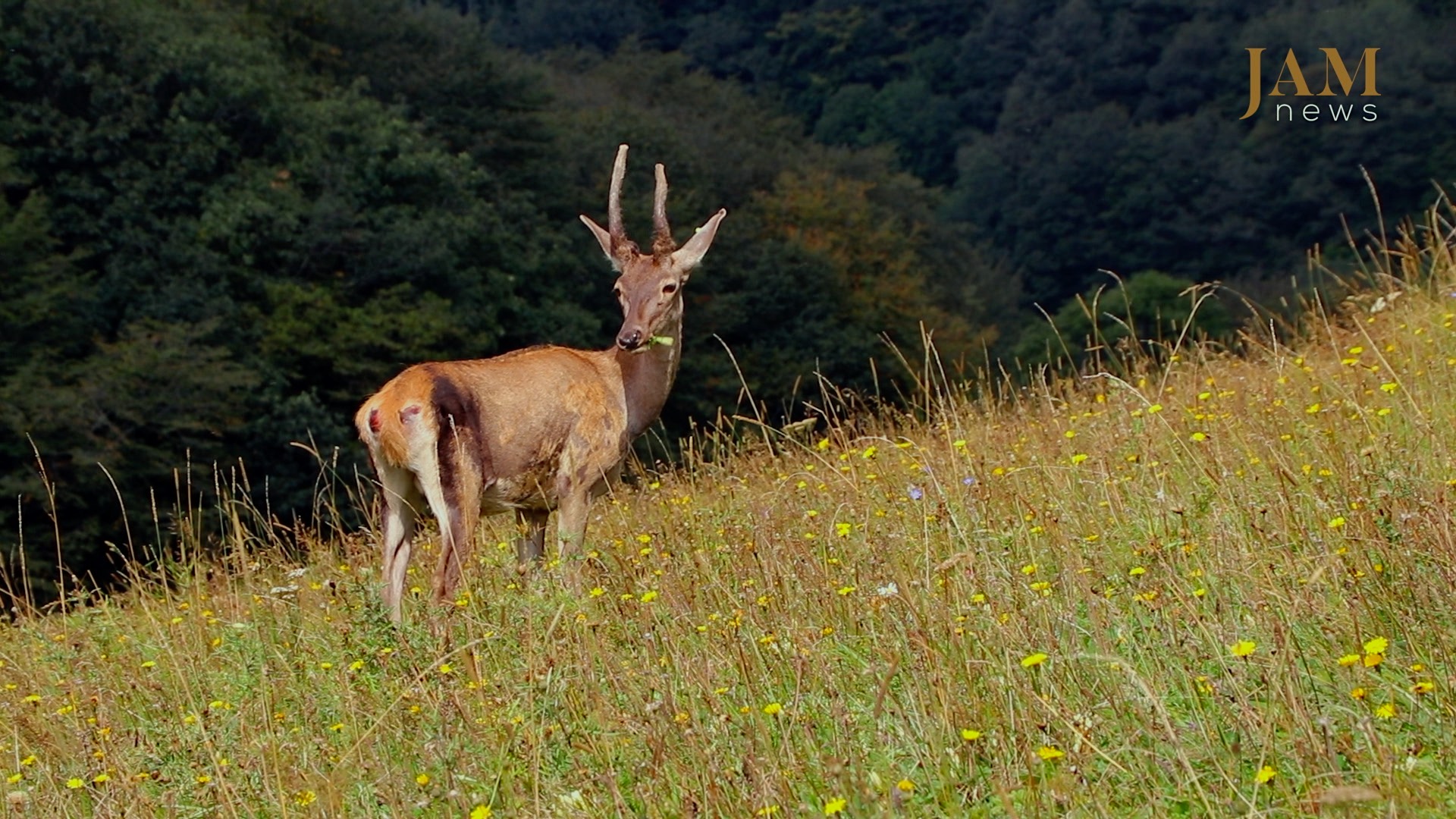
'Ice cream' and cold showers: Keeping cool on hot days at Tbilisi Zoo. Video






As summer temperatures rise, Tbilisi Zoo switches to a special routine. The keepers’ main task is to help the animals cope with the heat and protect them from overheating.

A range of measures is used, from cooling the enclosures to providing special diets. The first and most important rule is to ensure that all the animals have a constant supply of clean, cool drinking water.
The water is refreshed several times a day, while keepers provide additional ways for the animals to cool down in their enclosures when needed. One method is to spray the enclosures with water. Zoo staff regularly hose down the floors and surrounding areas to maintain humidity and lower the temperature.
Large animals require particular attention. For elephants, for example, water treatments are a real treat. Keepers hose them down all over their bodies, helping them cool off quickly.
The zoo also creates mud wallows specifically for the elephants and the rhinoceros. As the mud dries on the animals’ skin, it forms a protective layer against strong sunlight, possible sunburn and insects. The layer also helps keep their bodies cool.
- Alpaca Chico’s summer makeover: scenes from Tbilisi Zoo. Video
- Anea the raccoon’s favourite activity at Tbilisi Zoo – video
Summer heat also affects the animals’ daily care. Keepers adjust feeding methods so that the animals receive both physical and mental stimulation. Seasonal juicy fruits are added to their diets, providing another way to help them cool down.
For primates and herbivores, keepers freeze fruit and vegetables. For the animals, this is a kind of “ice cream”, but it serves more than just a cooling purpose. The animals have to make an effort to get to the frozen food, providing both physical and mental stimulation. It also allows them to display natural behaviour.
The same principle applies to predators, for which keepers freeze meat. “Meat ice cream” helps lions and tigers cool down while also providing sensory enrichment.
It is also important that the doors to indoor enclosures, where temperatures are lower and it is cooler, remain open at all times. This allows the animals to choose where they want to stay.
Tbilisi Zoo‘s history spans nearly a century. It was founded on 10 February 1927 on the basis of the Caucasian Society for the Acclimatisation of Animals, which had been keeping wild animals since the early 20th century, though without official zoo status.
The zoo was originally built on 70 hectares in the Vere River gorge. Over the years, the expansion of the capital — and later the devastating flood of 13 June 2015 — significantly reduced the territory of the old zoo. Today, it covers five hectares and is home to around 1,500 animals, each with its own story. In this video series, we will introduce you to the residents of Tbilisi Zoo.
We will show how their day unfolds, how they interact with other animals and people, and how their behaviour changes depending on the weather and the season. Get ready to hear many fascinating stories.
The heat at Tbilisi Zoo