Opinion: 'Abkhaz diplomacy must become more flexible – and more assertive'






Against the backdrop of the Pacific island nation of Nauru withdrawing its recognition of Abkhazia’s independence, prominent Abkhaz public figure Akhra Bzhania reflects on what Abkhazia’s foreign policy doctrine should look like.
Nauru, a small island nation in the Pacific region of Micronesia, recognised Abkhazia’s independence in 2009 but withdrew that recognition in late July 2026. The move reduced the number of countries recognising Abkhazia’s independence to four. Abkhazia’s foreign ministry said Nauru had come under “unprecedented pressure”.
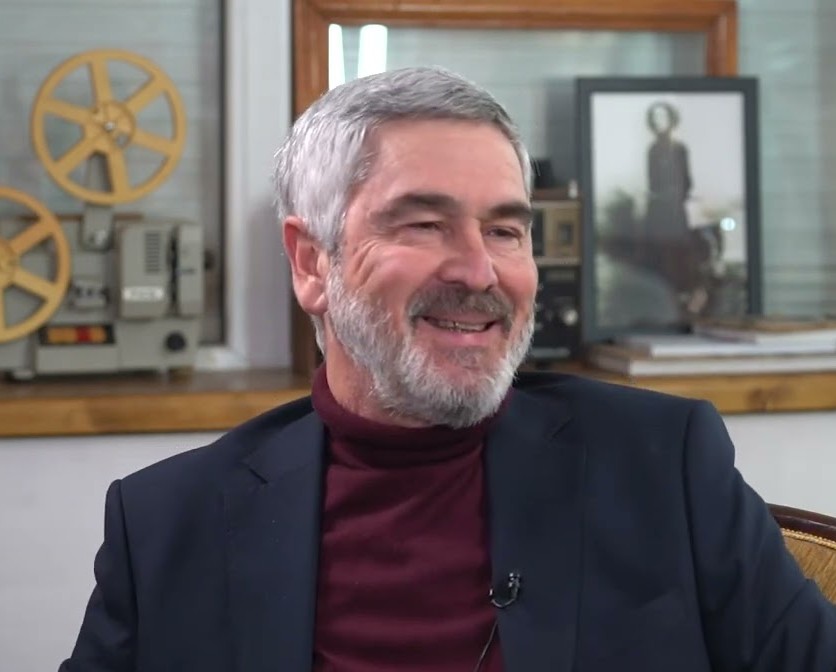
Akhra Bzhania said: “Around 230,000 irregular migrants crossed the EU’s borders in 2025–26 alone. All of them fled countries that enjoy broad international recognition.
Why didn’t they stay in Morocco, Mali or Afghanistan? Presumably because having a flag outside the UN headquarters does not automatically mean you live in a genuine state – one where you can influence public life, where your voice matters and where your dignity will never be trampled.
Being a recognised country and being a country where people want to live and are willing to die for it are two different things.
You may achieve the first and never attain the second. But if you have the second, then you have accomplished the most important task: building a country that belongs to its citizens. That is what defines a modern state. And that is precisely what should become the main instrument for Abkhazia’s integration into the international community.

Bzhania continued: “We must send a clear message to the international community that, despite sanctions, isolation and the threat of war, the people of Abkhazia have built a society based on the rule of law and freedom. Without being members of international institutions, we have incorporated the core principles of international conventions on civil and political rights into our system of governance.
We see ourselves as part of the international community and believe we deserve our rightful place within it. To achieve that, our diplomacy must become more flexible – and more assertive. It should focus not on waiting for or preserving acts of recognition, but on consistently demonstrating our statehood and expanding our international contacts.
No one else is obliged to do this for us. By recognising our sovereignty, Russia effectively made Abkhazia a subject of international law. But it cannot solve our problems on our behalf.”
Bzhania continued: “We must use every tool at our disposal to achieve our goals: the resources of the diaspora, cultural, trade and sporting ties, personal connections, migration policy and regional logistics. In this game, we need to keep raising the stakes.
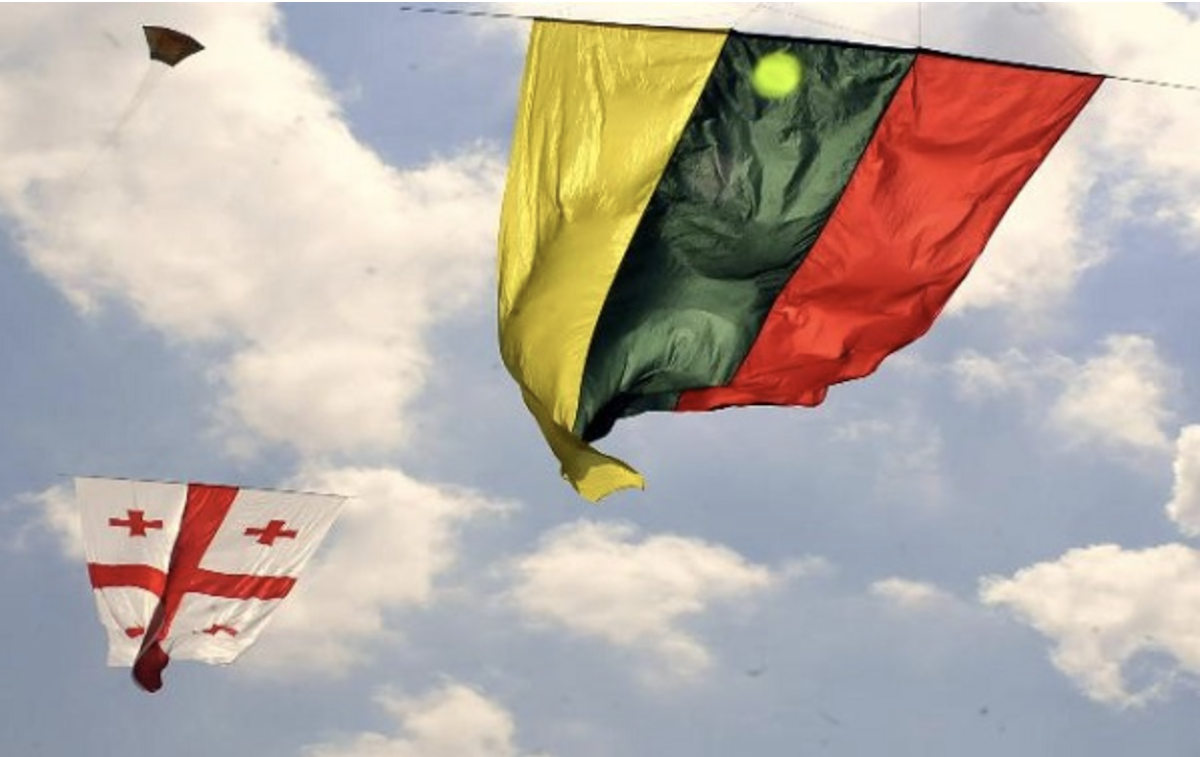
Today, there is a window of opportunity for such an active policy. It is no secret that relations between Georgia and the West are at their lowest point since the 1990s. Those on whom Tbilisi relied to promote its anti-Abkhaz agenda have become disillusioned with Georgia, and we should take advantage of that. That includes reviving the active dialogue with European countries that existed in the late 1990s. After all, the hopes the West once placed in Georgia as a bastion of the free world in the Caucasus have, to a greater extent, been realised in Abkhazia.
Another key asset, which has remained almost entirely outside our foreign policy efforts, is the Circassian diaspora. Four million people spread across 50 countries represent a powerful resource we can genuinely rely on. More importantly, we should offer them the prospect of political cooperation.
Abkhazia can and should become the centre of the Circassian world as the only independent state of this sub-ethnic group. Our country can become the same kind of homeland for Circassians worldwide that Israel has become for Jews. If every Circassian, wherever they live, knows they will find protection and support for their interests in Abkhazia, it will create a strong foundation for advancing our shared interests.”
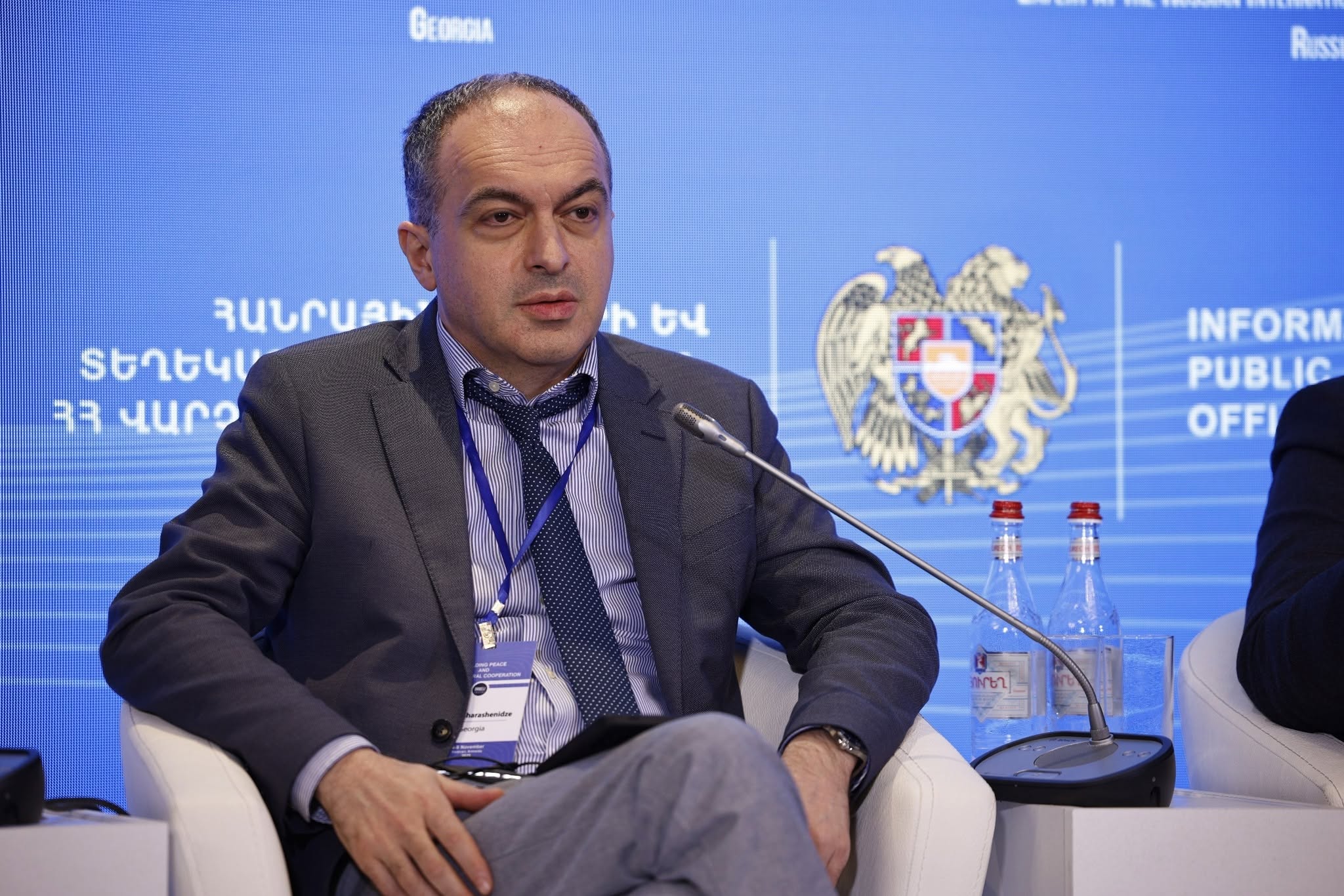
Bzhania concluded: “It will probably not happen tomorrow, no matter how much effort we put in. But it can happen within a foreseeable future if those efforts remain consistent and systematic.
In 2017, I had the honour of welcoming a delegation from Nauru’s parliament to Abkhazia on behalf of the Abkhaz parliament. They were wonderful, warm people. Unfortunately, ships at sea do not only meet – they also part ways. Today, Nauru has set a course away from Abkhazia, apparently believing it to be the safer option. I wish them well. As for us, we will continue on our own course.”
The terminology, place names and views expressed in this article are those of the author and do not necessarily reflect the editorial position of this website.
Nauru’s withdrawal of recognition of Abkhazia