Journalist Afgan Sadygov rearrested in Azerbaijan after forced return from Georgia






Journalist Afgan Sadygov arrested in Azerbaijan
The extortion case opened against Afgan Sadygov in 2024 and suspended shortly before his deportation from Georgia has resumed.
As a result, Baku’s Binagadi District Court ordered the detention of Afgan Sadygov, founder and editor-in-chief of the news website Azel TV, until 30 July. His lawyer, Namat Karimli, confirmed the decision.
According to the lawyer, prosecutors have reopened the criminal case launched by the Prosecutor General’s Office in May 2024 under Article 182 of the Criminal Code, which covers extortion. The court ordered Sadygov’s detention under Articles 182.2.1, which concerns offences committed by a group acting in prior collusion, and 182.2.4, which concerns offences committed with the aim of obtaining property on a large scale.
The decision followed Sadygov’s deportation from Georgia on 5 April. Many observers view the move as a continuation of politically motivated repression. The case has also renewed debate over Azerbaijani-Georgian relations, compliance with rulings by the European Court of Human Rights and the state of media freedom in the region.
Who is Sadygov and what does he do?
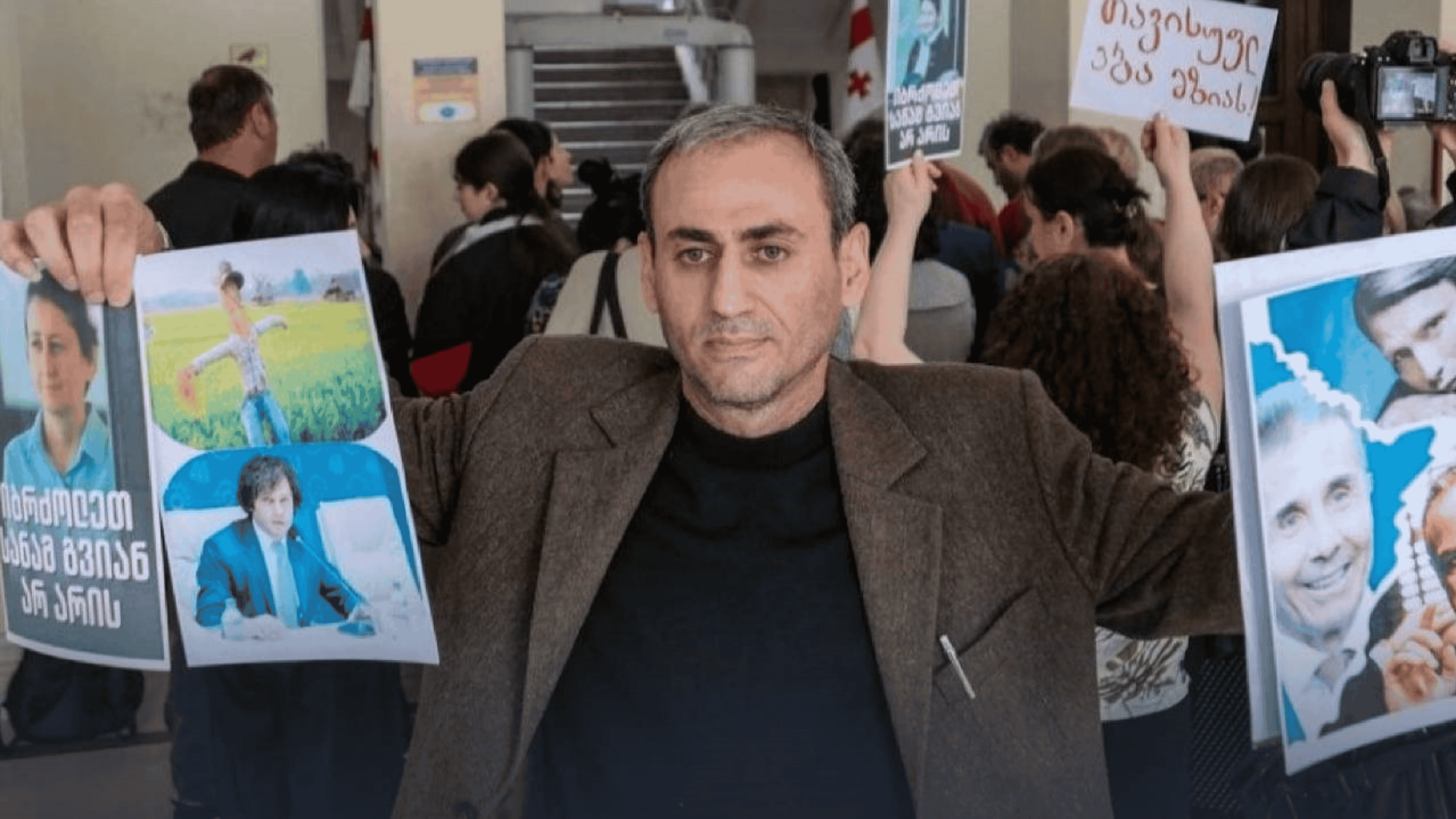
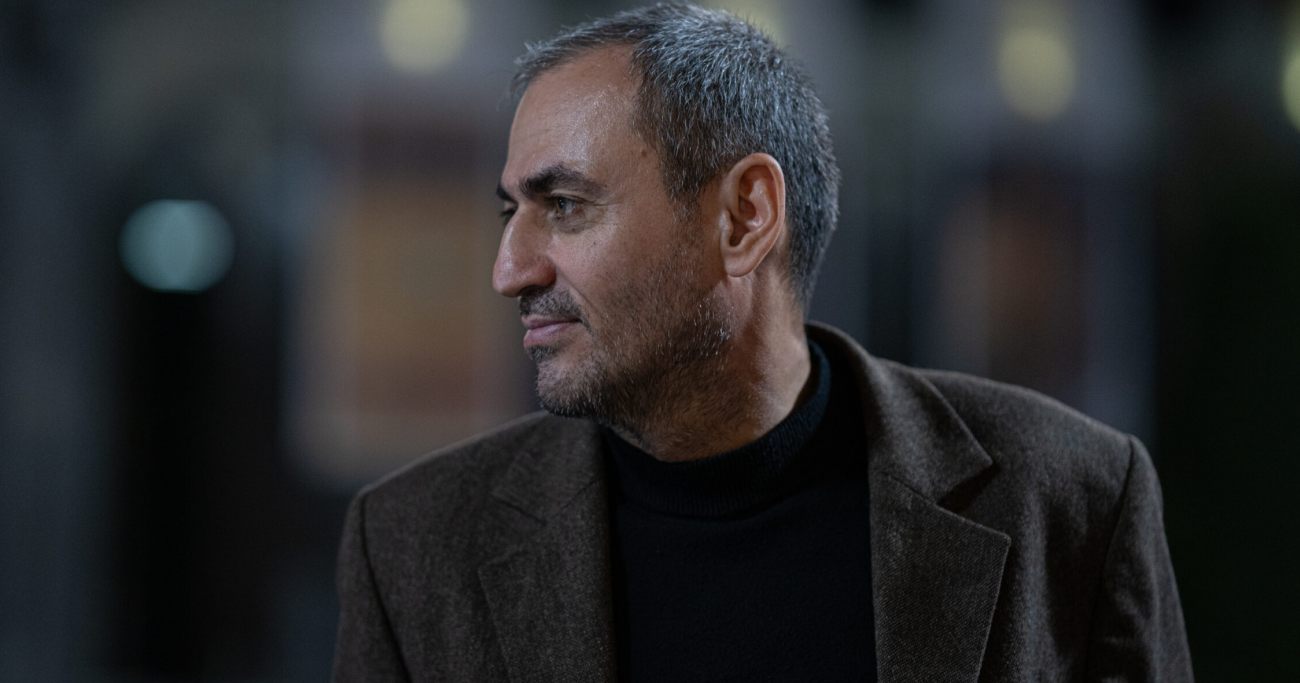
Afgan Sadygov is known as one of Azerbaijan’s independent journalists. He is the founder and editor-in-chief of the online outlet Azel TV and its associated YouTube channel.
His reporting primarily focuses on corruption, social injustice, the activities of public officials and government policies. He approaches these issues from a critical perspective.
Sadygov’s work has sparked controversy for many years. His supporters view him as a courageous independent journalist, while official circles portray him as a criminal because of the charges brought against him. Some members of Azerbaijani civil society also hold views closer to the authorities’ position.
The authorities have targeted him before. In May 2020, they detained him, and in November the Baku Serious Crimes Court sentenced him to seven years in prison on extortion charges alongside another defendant, Sakit Muradov.
His lawyers appealed the verdict. While in prison, Sadygov went on a hunger strike that lasted 242 days. He spent a total of about two years and 15 days in detention before gaining release under a presidential pardon.
After his release, the journalist resumed his work. In December 2023, he moved to Georgia with his family.
Georgia and the deportation: allegations of transnational repression
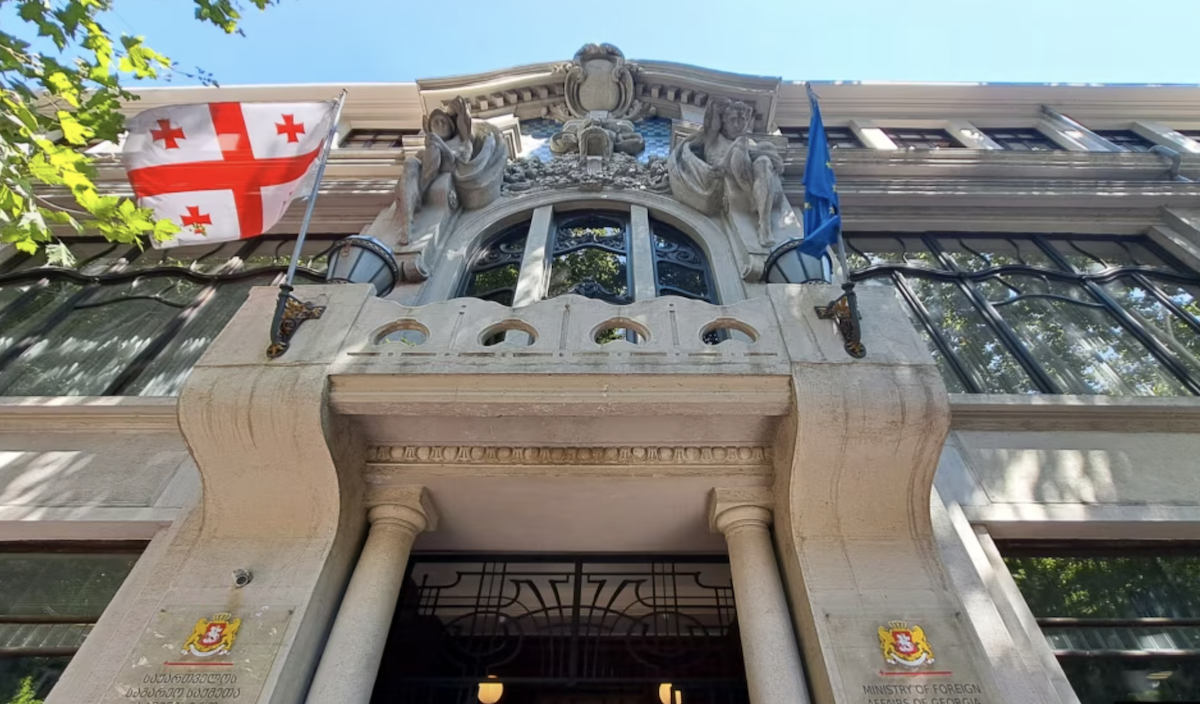
After moving to Georgia, Sadygov hoped to escape pressure from the Azerbaijani authorities. However, Georgian authorities detained him in Tbilisi in August 2024 following an extradition request from Azerbaijan. The request stemmed from an extortion case that prosecutors opened in May 2024.
In January 2025, the European Court of Human Rights imposed an interim measure on Georgia, prohibiting Sadygov’s extradition to Azerbaijan. In April 2025, Tbilisi City Court released him on bail of 5,000 lari.
After that, Georgian authorities detained the journalist several times on administrative charges. They accused him of insulting a police officer on social media and unlawfully blocking a road. Courts sentenced him to administrative detention ranging from seven to fourteen days and imposed substantial fines.
The most dramatic episode occurred in April 2026. On the evening of 4 April, authorities detained Sadygov at his home in Tbilisi and brought him back to court on charges of insulting a police officer on social media. Following a brief hearing at around 4am, Tbilisi City Court fined him 2,000 lari, ordered his immediate deportation and banned him from entering Georgia for three years. Authorities deported him to Azerbaijan the following day, on 5 April.
The decision triggered a strong reaction from international organisations. The Media Freedom Rapid Response coalition, the World Organisation Against Torture and other rights groups described the case as a clear example of transnational repression and a serious violation of the ECHR’s interim measure, which had barred his extradition. The European Court of Human Rights also issued a special statement regarding the actions of the Georgian authorities.
Observers have pointed out that Azerbaijani President Ilham Aliyev visited Tbilisi the day after Sadygov’s deportation. In their view, that timing fuelled speculation about coordination between the two countries.
For their part, Georgian authorities argued that they carried out the removal under administrative procedures rather than through an extradition process, which the ECHR ruling had prevented. Critics of that position contend that the administrative charges served as a convenient pretext for expelling the journalist from the country.
The latest arrest: the return of an old case
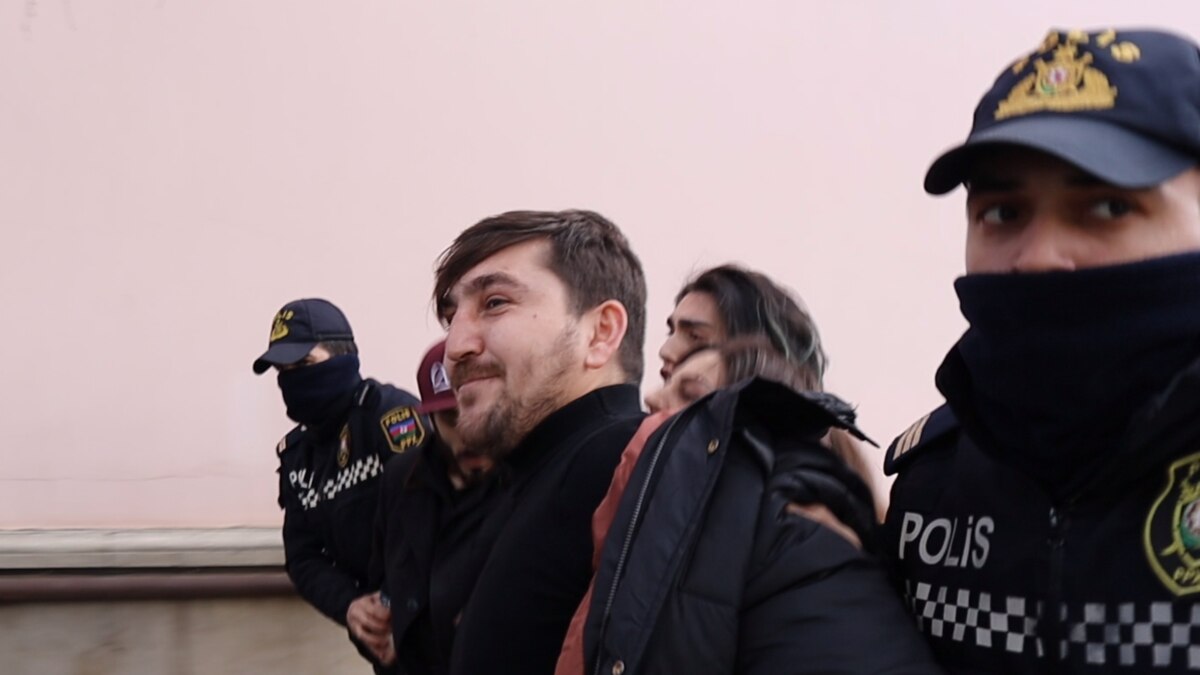
After Sadygov’s deportation, conflicting reports emerged about his legal situation. According to some sources, the Prosecutor General’s Office closed the criminal case on 1 April. However, on 9 June, a court reopened the case and ordered the journalist’s detention.
His lawyer, Namat Karimli, said Sadygov rejects the accusations and describes them as politically motivated and fabricated.
The defence argues that the decision to revive the case immediately after the journalist’s forced deportation was not a coincidence but rather a continuation of repression.
What are the different sides saying?
Lawyers and opposition figures describe the case as politically motivated repression. They argue that Azerbaijani authorities often use charges related to so-called economic crimes, including extortion, smuggling and other offences, against independent journalists. In their view, this allows authorities to present such cases as ordinary criminal proceedings rather than political persecution.
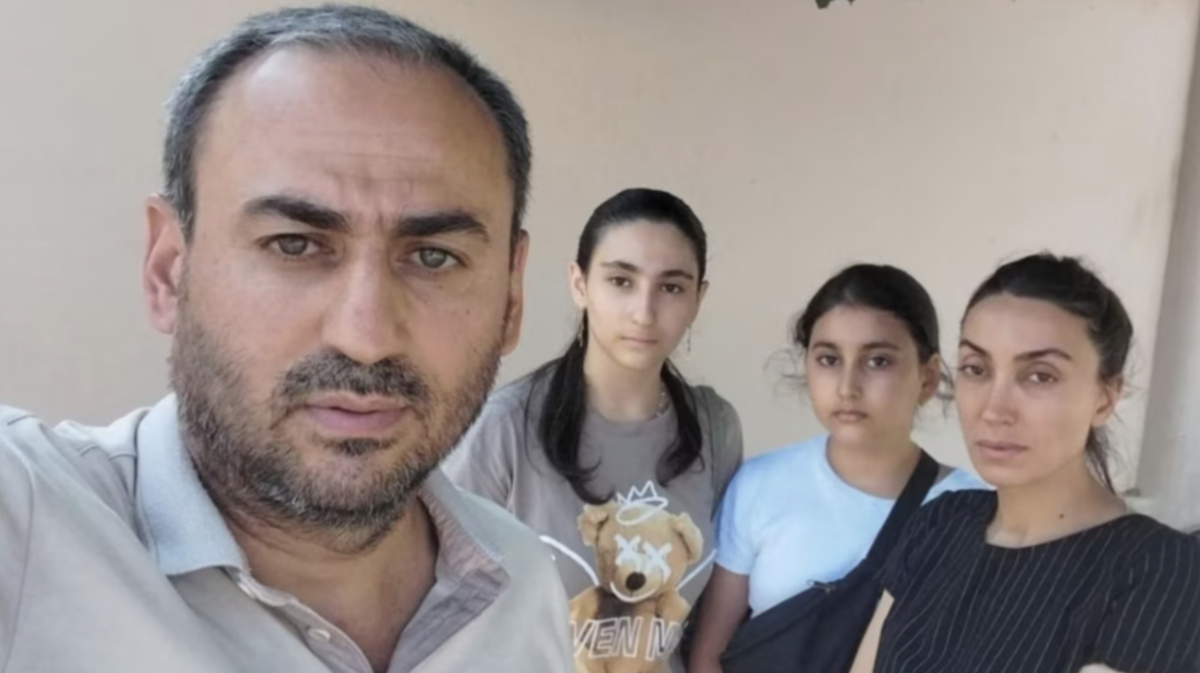
They point to cases involving other media representatives as examples. Members of Sadygov’s family, particularly his wife Sevinj Sadygova, regularly post updates about the case on social media and call for his release. Social media users have also circulated messages in support of the journalist, including posts using the hashtag #AzadEt.
International human rights organisations previously issued strong statements regarding Sadygov’s deportation. They have not yet released major public statements about his latest arrest. However, rights advocates continue to raise concerns about systematic pressure on independent journalists. They argue that such cases threaten journalists’ safety and restrict freedom of expression across the region.
Azerbaijani authorities have not yet provided detailed public comments on the case. At the same time, pro-government media portray Sadygov as someone who committed a criminal offence. They emphasise what they describe as the validity of the charges and argue that he uses his journalistic work to conceal unlawful activities. Supporters of this view maintain that the law applies equally to everyone and that being a journalist does not exempt a person from legal responsibility.
Key points
- Authorities have not fully disclosed the details of the allegations, including whom Sadygov allegedly extorted and how the alleged extortion took place. This lack of detail has strengthened defence claims that the case may have been fabricated.
- The opening of the criminal case in 2024, Sadygov’s subsequent detention in Georgia, the European Court of Human Rights ruling, his deportation and his latest arrest form a sequence of closely connected events.
- International press freedom rankings, including assessments by Freedom House and Reporters Without Borders, have ranked Azerbaijan poorly for many years. Several journalists and civil society activists in the country also remain in detention on charges that their supporters consider politically motivated.
Conclusion
Afgan Sadygov’s rearrest raises broader questions about freedom of expression in Azerbaijan, the authorities’ treatment of independent voices, Georgia’s ability to resist external pressure and the effectiveness of mechanisms for enforcing ECHR rulings.
If the allegations against him are supported by sufficient evidence, the justice system should proceed in accordance with the law. However, given the sequence of events, previous precedents and the international reaction, many observers view the latest developments as another stage in what they describe as politically motivated repression.
The next steps will depend on the course of the trial, any future decisions by the European Court of Human Rights and the response of international organisations. For now, Afgan Sadygov will remain in detention at least until 30 July, unless the court decides otherwise.
Journalist Afgan Sadygov arrested in Azerbaijan