

What's behind resumption of Baku-Brussels talks amid tensions with European Parliament?






Azerbaijan-EU Partnership Priorities
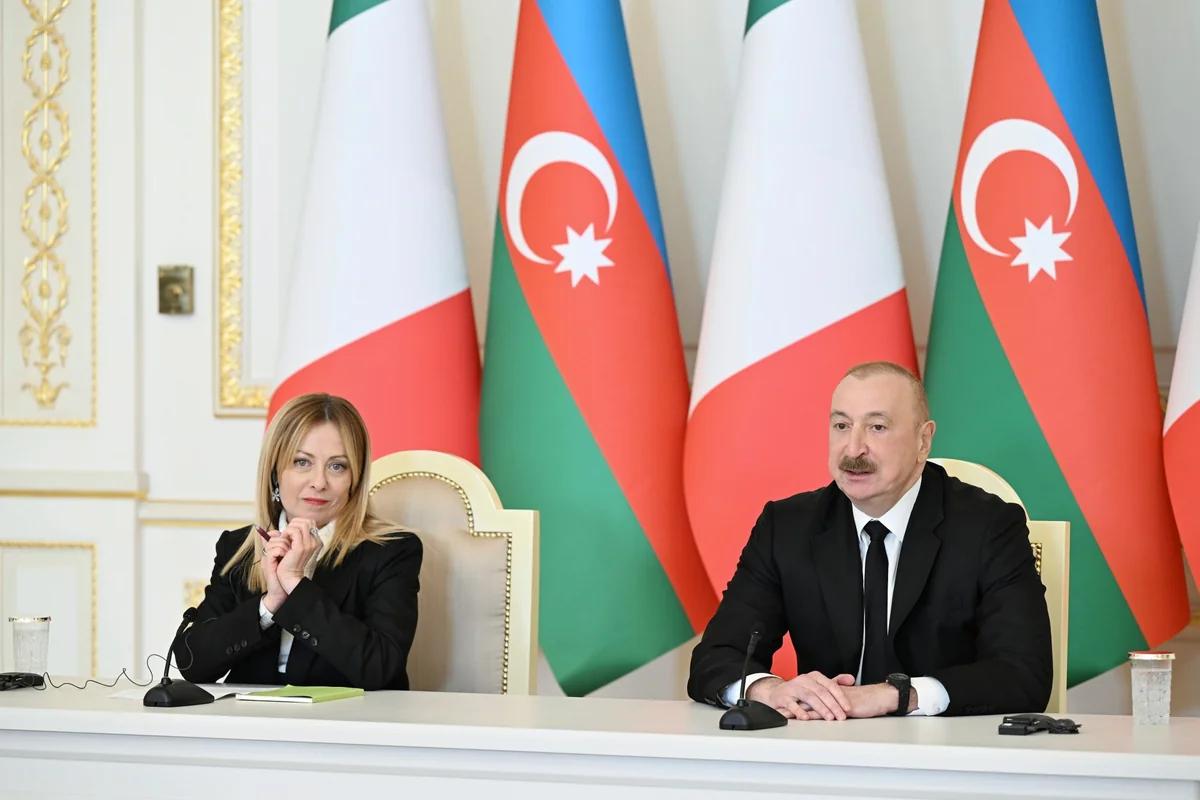
At a time when Azerbaijan has suspended relations with the European Parliament and the dispute over the credentials of the Azerbaijani delegation to PACE remains unresolved, Baku and Brussels have stepped up negotiations on a new agreement. During meetings in Baku, the two sides reached a preliminary understanding on the draft Partnership Priorities for 2026–2030 and confirmed the resumption of talks on a comprehensive agreement between Azerbaijan and the European Union.
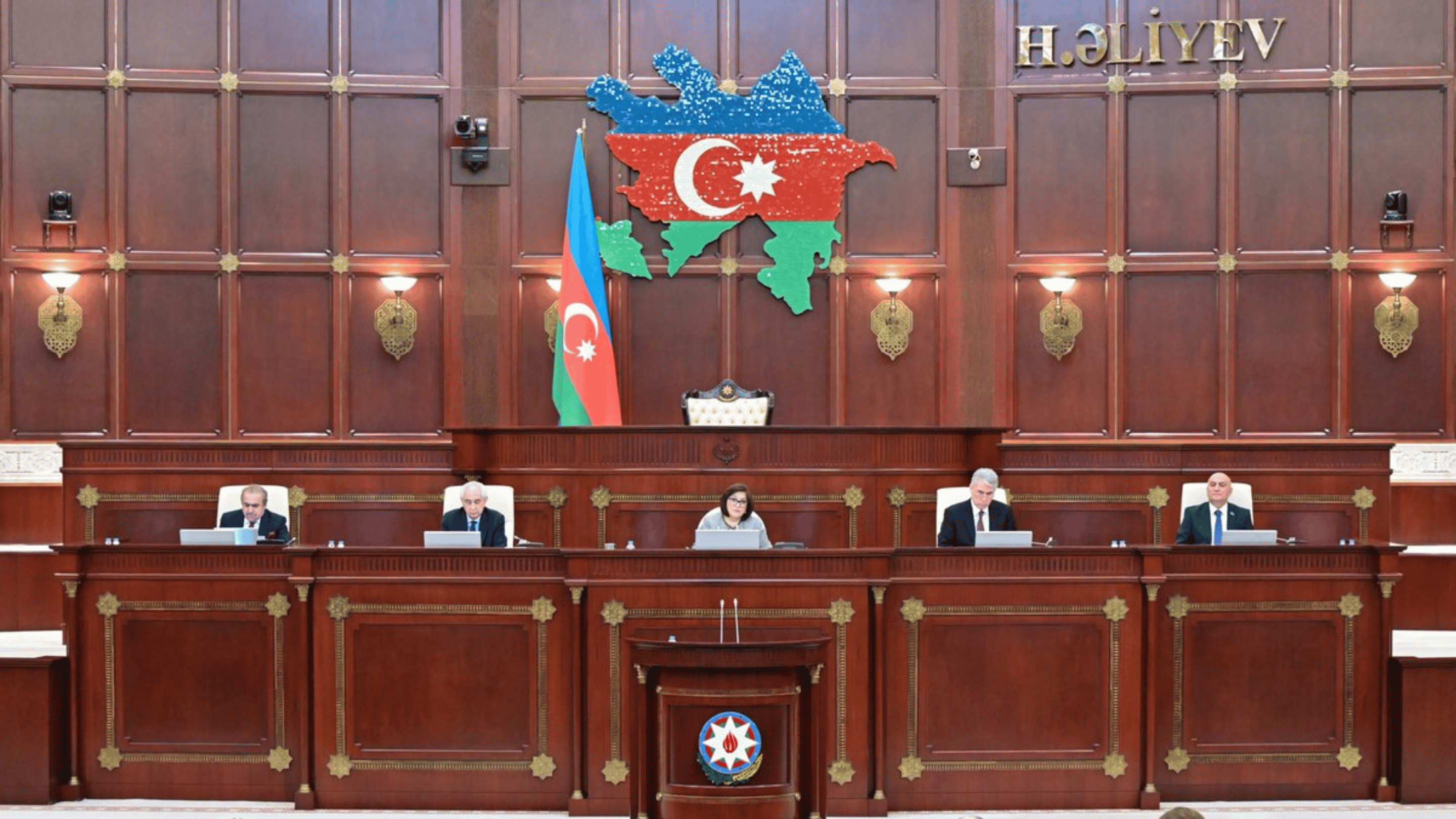
In early May, the Milli Majlis suspended all channels of cooperation with the European Parliament, ended its participation in the EU-Azerbaijan Parliamentary Cooperation Committee and launched the process of withdrawing from the Euronest Parliamentary Assembly.
The move followed the European Parliament’s adoption on 30 April 2026 of a resolution on “Supporting democratic resilience in Armenia”. Baku described the provisions concerning Azerbaijan as biased and as interference in the country’s internal affairs.
At the same time, the dispute over the Azerbaijani delegation’s credentials in PACE continues. In 2024, the Assembly declined to ratify the delegation’s mandate. In 2025, human rights organisations called for the restriction to remain in place. In May 2026, one of PACE’s committees again expressed concern over what it described as the “suppression of critical voices” in Azerbaijan.
Against this backdrop, negotiations between Azerbaijan and the EU in Baku may appear paradoxical at first glance. Sharp tensions at the parliamentary level coexist with positive momentum in intergovernmental relations.
However, this parallel dynamic illustrates the way relations between Baku and Brussels currently function. Disagreements over political values and parliamentary diplomacy coexist with pragmatic cooperation in energy, trade, transport connectivity and regional security.
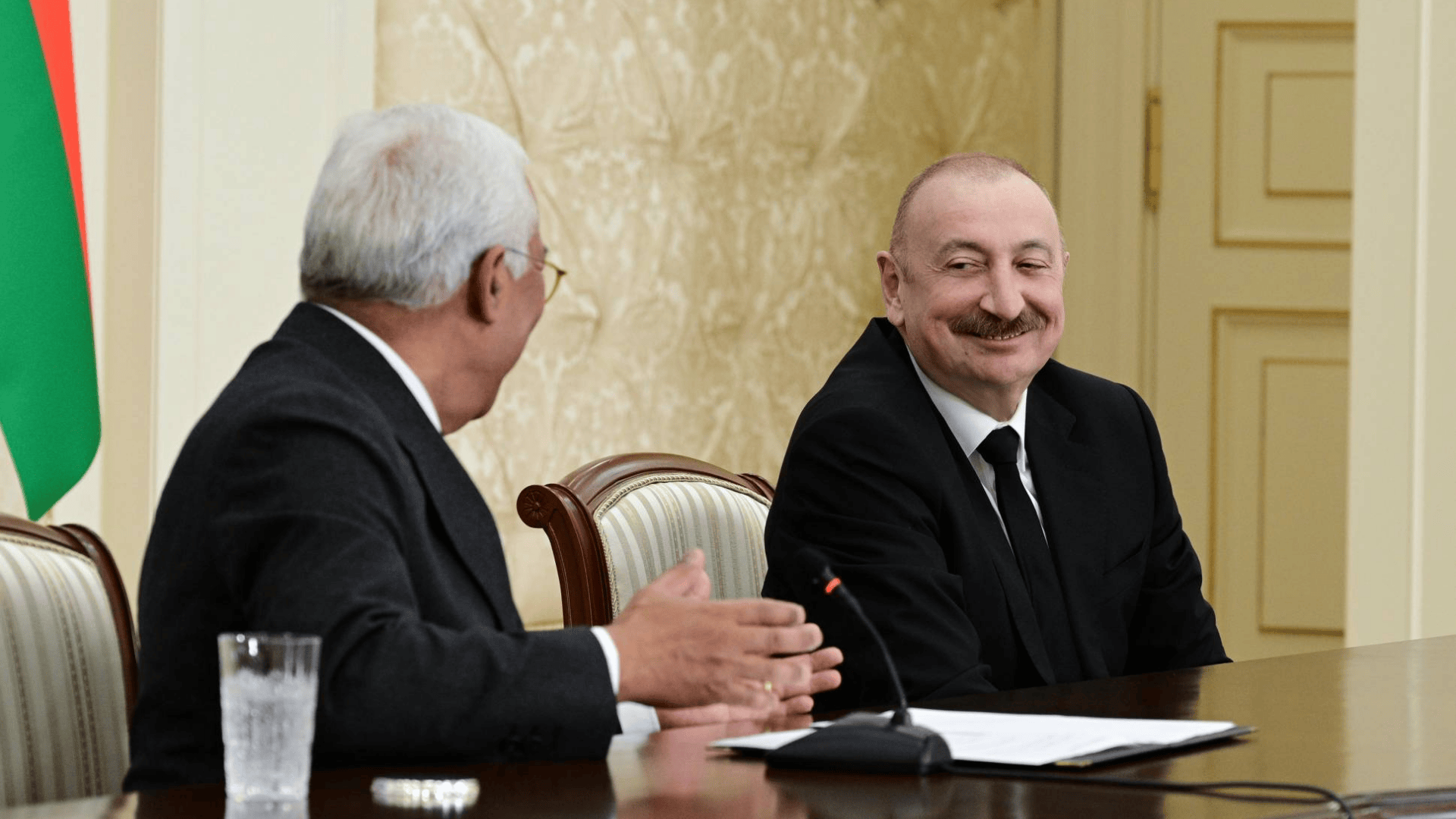
What changed in relations between Baku and Brussels?
The legal basis for relations between Azerbaijan and the EU remains the Partnership and Cooperation Agreement, which entered into force in 1999. Negotiations on a new comprehensive agreement to replace it began in February 2017.
According to the European Commission’s trade portal, the process stalled in February 2022 after seven rounds of talks on the trade chapter. In April 2025, the EU’s top diplomat, Kaja Kallas, announced in Baku that negotiations on the new agreement would resume. A technical round took place in Brussels in April 2026, and the talks continued in Baku in June. On its official communications platform, the EU noted that the June negotiations coincided with the 30th anniversary of relations between the European Union and Azerbaijan.
The anniversary carries symbolic significance from a political communication perspective. Brussels and Baku are attempting to redefine the framework of their relationship amid both longstanding normative disagreements and new geoeconomic calculations. The dispute at the parliamentary level should be viewed in this context.
In its official decision of 1 May, the Milli Majlis stated that the European Parliament had become an instrument of “pressure, blackmail and blatant interference in Azerbaijan’s internal affairs”.
For their part, leading Members of the European Parliament said in a statement on 5 May that Baku’s decision was “unjustified”. They stressed that parliamentary cooperation remains a useful platform for discussing disagreements. As a result, both sides have effectively blamed each other for blocking institutional dialogue.
Relations with PACE
The dispute with PACE has deeper and longer-standing roots. In January 2024, the Parliamentary Assembly of the Council of Europe declined to ratify the credentials of the Azerbaijani delegation. In explaining its decision, the Assembly cited “very serious concerns” regarding elections, the separation of powers, judicial independence, human rights and cooperation with the Assembly itself.
Baku views this approach as biased. Human rights organisations, by contrast, have called for the restrictions to remain in place. A further warning from a PACE committee, issued in May this year and referring to the “suppression of critical voices”, also suggested that there are currently no signs of a softening of the Assembly’s position.
At the same time, geopolitical considerations have not reduced Brussels’ interest in cooperation with Baku. The European Union remains Azerbaijan’s largest trading partner and the country’s leading source of foreign investment. In 2025, Azerbaijan exported 12.8 billion cubic metres of natural gas to Europe.
Earlier this year, the EU also formally committed itself to a gradual phase-out of Russian gas while maintaining diversification of energy supplies as a key strategic priority. As a result, Brussels views Azerbaijan not only as an energy supplier but also as an important partner in developing the Middle Corridor, strengthening digital and transport connectivity, and promoting stability in the South Caucasus.
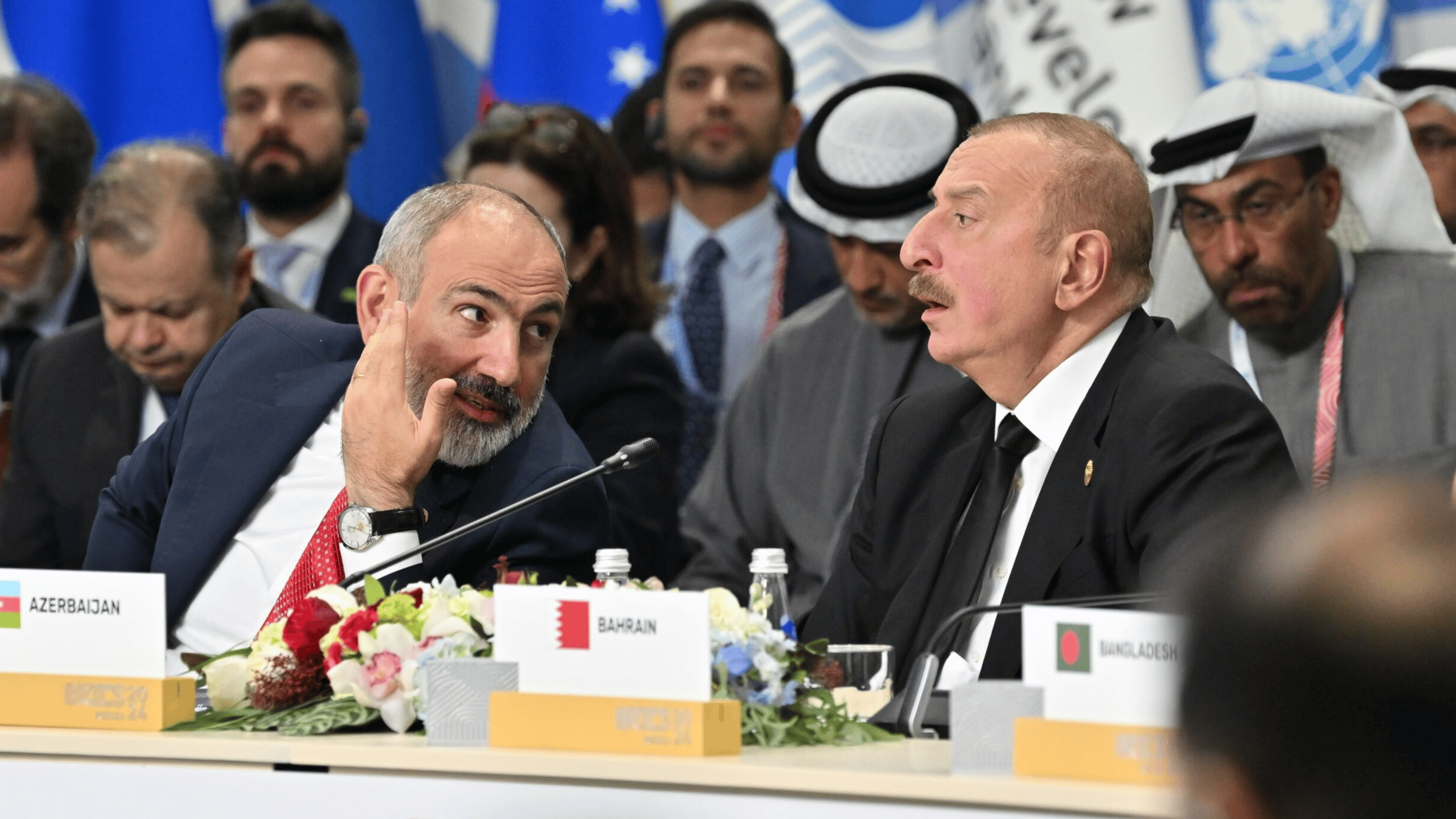
What do experts say?
In recent weeks, one key theme has increasingly emerged in commentary by Azerbaijani analysts: Baku is pursuing a dual-track strategy in its relations with Europe.
Vasif Huseynov, Chief Adviser at the Center of Analysis of International Relations, argues that Europe spoke to Azerbaijan “with different voices” in the spring of 2026. On the one hand, the European Parliament adopted critical resolutions. On the other, the Council of Europe, the European Commission and intergovernmental institutions expanded cooperation in security, energy, transport and negotiations on a new agreement.
In a separate publication, Huseynov emphasises “measurable results”. He argues that Baku places greater value on investment, infrastructure and deeper economic integration than on political gestures.
Political commentator Fuad Kerimli told AnewZ that the EU no longer views the South Caucasus as a peripheral region. Instead, it sees the region as strategically important for energy security and trade routes.
According to Kerimli, this growing interest stems from natural gas supplies, the Middle Corridor and the prospects for investment in green energy. He sees this as one of the reasons why negotiations have gained momentum at this particular moment.
A more critical assessment comes from Azerbaijani researcher Murad Nasibov, who argues that EU-Azerbaijan relations have evolved “from normative divergence to strategic convergence”.
In other words, while human rights and democracy formally remain on Brussels’ agenda, energy, transport connectivity and regional stability are playing an increasingly important role in practical policymaking.
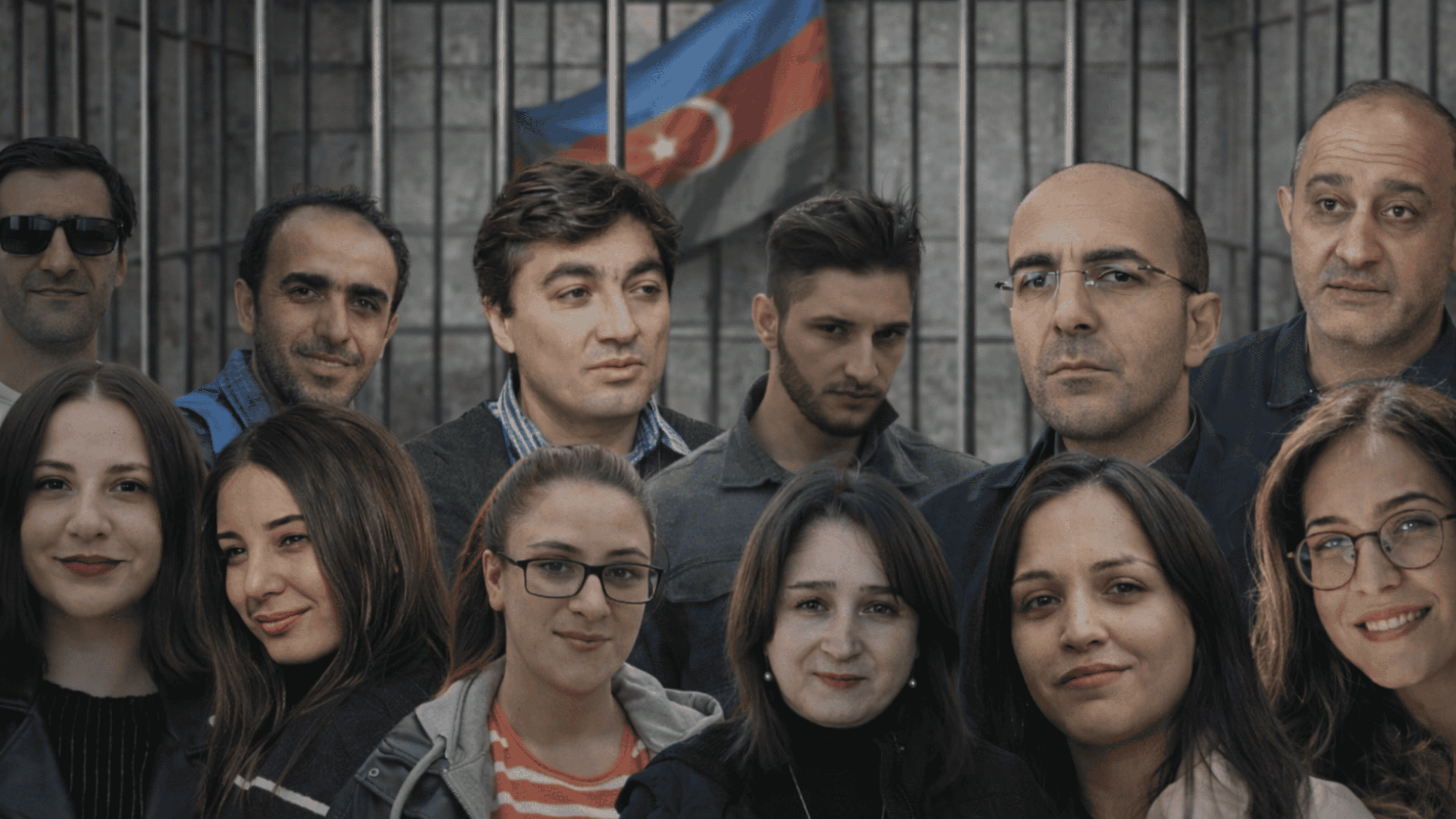
At a hearing in the European Parliament in May, Azerbaijani journalist Leyla Mustafayeva argued that further cooperation between the EU and Azerbaijan should be linked to the release of political prisoners.
European Commission materials on Azerbaijan also indicate that the EU continues to focus on human rights, support for civil society and media freedom.
As a result, although pragmatic considerations have become more prominent in EU-Azerbaijan relations, the normative agenda has not disappeared altogether.
Why is parliamentary crisis not stopping cooperation?
The progress achieved during the talks in Baku primarily demonstrates that Azerbaijan does not approach its relationship with the EU on an all-or-nothing basis. Instead, it follows a selective strategy. Baku responds sharply to political pressure from parliamentary institutions, yet it continues to cooperate with the European Commission, the Council of the European Union and the European External Action Service on energy, trade, transport connectivity and security. This reflects not so much a contradiction as a division of institutional roles. The EU itself follows a similar model. While the European Parliament and human rights institutions focus on democracy and human rights concerns, the bloc’s executive bodies continue working with Azerbaijan on a new framework agreement.
Brussels’ motivations are relatively straightforward. Statements by European Council President Antonio Costa and EU foreign policy chief Kaja Kallas have clearly identified the main priorities: energy security, transport and digital connectivity, regional stability and the Armenia-Azerbaijan peace process. The EU’s plans to phase out Russian gas and its search for alternative supply routes have only strengthened that interest. Azerbaijan’s export of 12.8 billion cubic metres of gas to Europe in 2025, together with its role in developing the Middle Corridor, has further reinforced Brussels’ pragmatic approach.
Around 90% of the draft Azerbaijan-EU Partnership Priorities for 2026–2030 has already been agreed, while the main disagreements remain concentrated in the trade chapter. The European Commission’s trade portal likewise indicates that trade negotiations have remained frozen since 2022. Political risks also persist, including renewed tensions with the European Parliament and PACE, concerns over human rights and continuing disagreements surrounding the peace process.
By comparison, Azerbaijan’s relationship with Turkey may be deeper in terms of security cooperation and political coordination. However, the European track offers Baku advantages in access to markets, investment, regulatory frameworks and infrastructure opportunities. This is reflected in the EU’s position as Azerbaijan’s largest trading partner and investor, as well as in initiatives such as Global Gateway and regional connectivity projects. While relations with the United States focus more heavily on security and mediation, Brussels offers a broader and more long-term agenda. That helps explain why the June negotiations have attracted relatively little public attention while still carrying significant strategic importance.
Conclusions and outlook
The talks in Baku have demonstrated that the crisis in relations with the European Parliament and PACE does not amount to a freeze in Azerbaijan’s relations with the EU as a whole. On the contrary, engagement is increasingly shifting towards the executive level and taking on a more pragmatic character, centred on cooperation in energy, transport connectivity, trade and security. This approach aligns both with Azerbaijan’s multi-vector foreign policy and with the European Union’s evolving energy and geopolitical priorities.
In the near term, the key question is whether the two sides can resolve the remaining trade disagreements and normative disputes in order to finalise a new agreement.
For now, the signals appear positive. The parties have agreed to continue negotiations in an intensive format, both online and through in-person meetings. However, if new tensions emerge over parliamentary relations or human rights issues, relations between Baku and Brussels are likely to retain their current dual-track character, with political criticism and strategic cooperation continuing to exist side by side.
Azerbaijan-EU Partnership Priorities