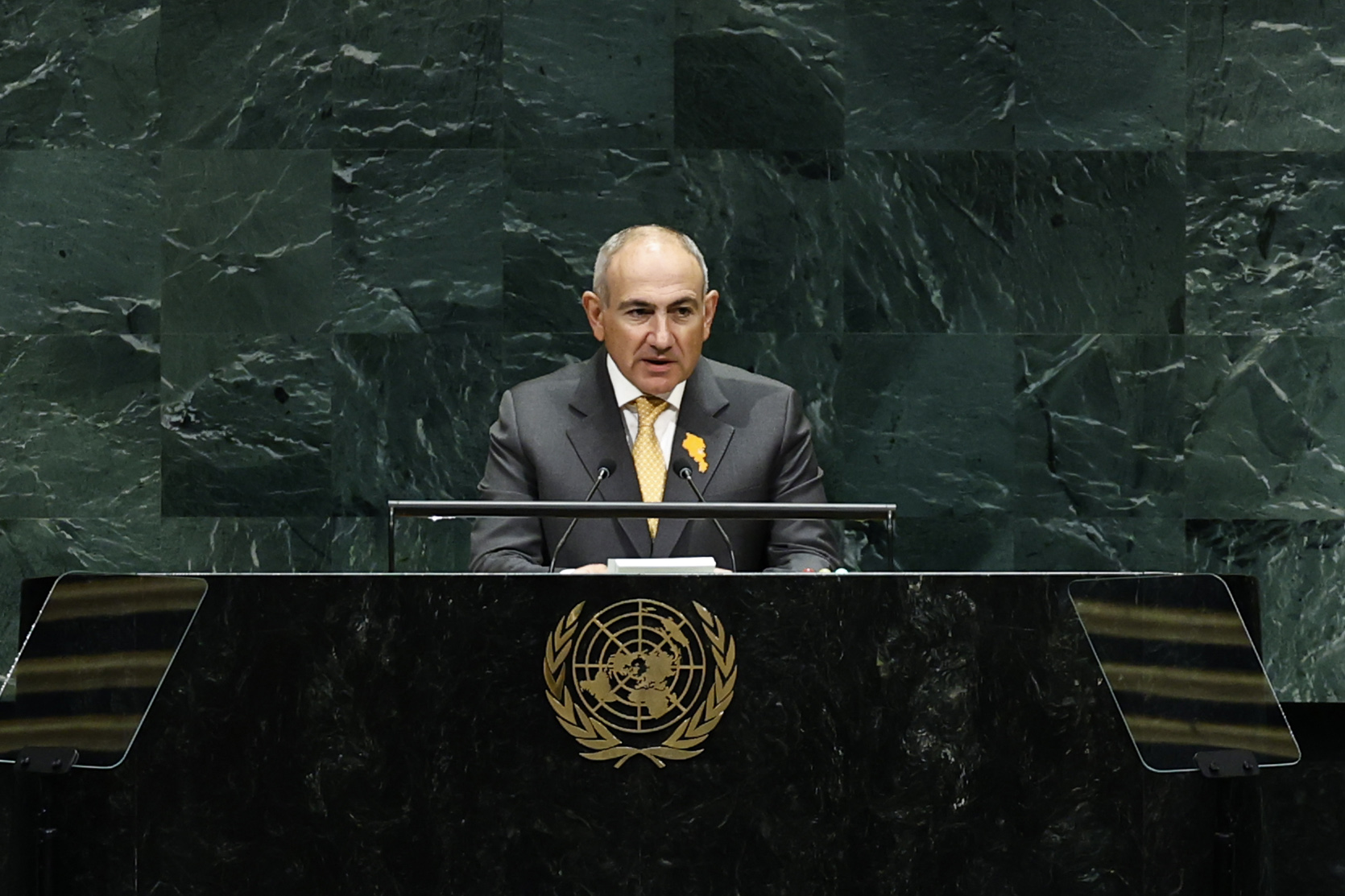
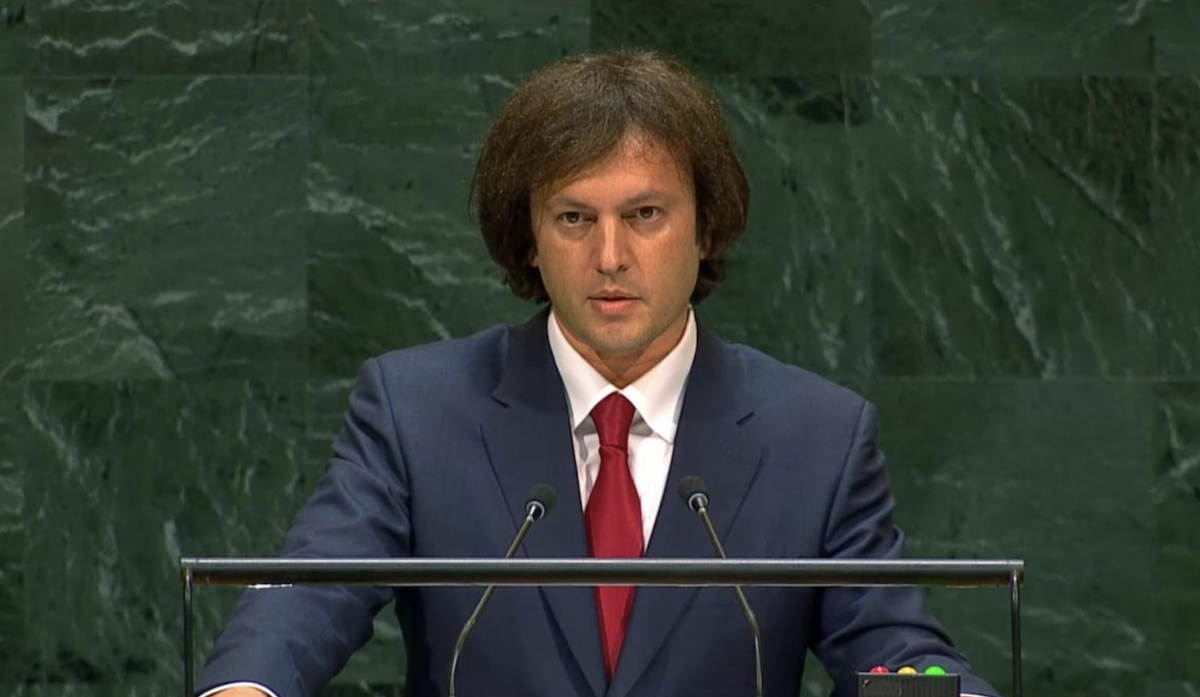
Washington Post: Georgia is moving towards authoritarianism and closer ties with Iran






Washington Post on Georgia
The American newspaper The Washington Post has published an editorial on Georgia arguing that the increasingly authoritarian government of the ruling Georgian Dream party poses a threat to the strategic interests of President Donald Trump’s administration in the South Caucasus.
The authors write that Georgia, once considered one of Washington’s reliable partners, is now “drifting into Iran’s sphere of influence”.
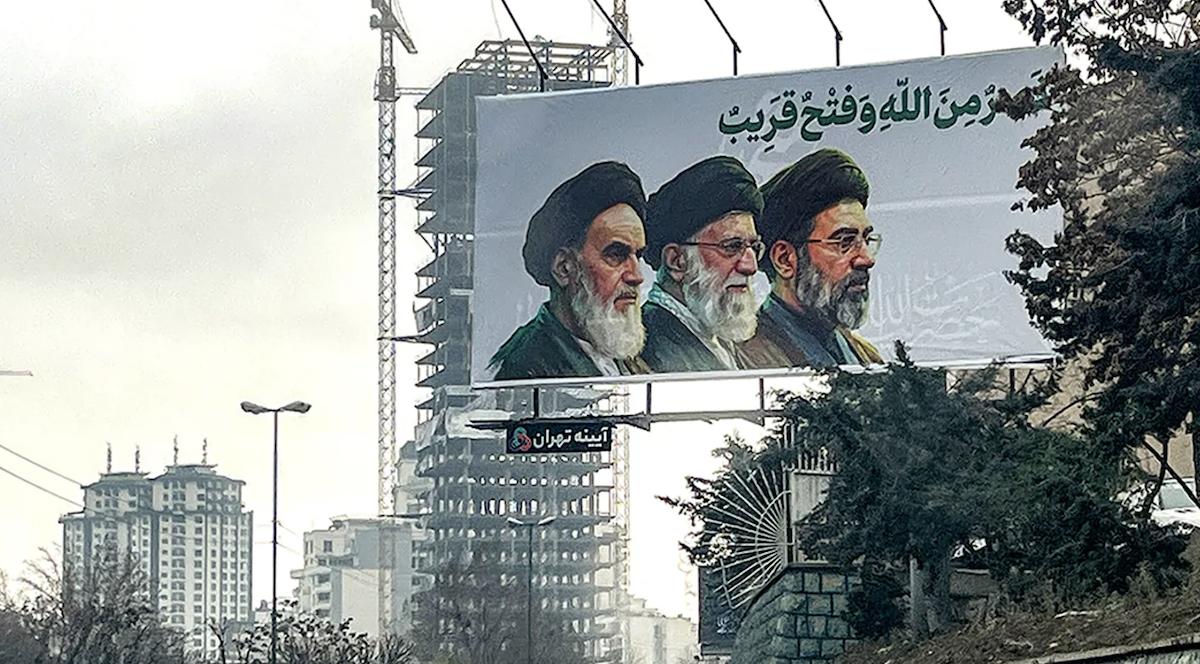
The article places particular emphasis on US Secretary of State Marco Rubio’s recent visit to Yerevan, where he signed an agreement with Armenia on strategic minerals and reaffirmed support for the country’s Western trajectory.
According to the editorial board, these steps demonstrate the importance the White House attaches to the South Caucasus.
However, the newspaper argues that developments in Georgia remain outside the focus of President Donald Trump’s administration. The authors claim that a country long considered a “reliable ally” of the US is increasingly pursuing “anti-American” policies.
In their assessment, the ruling Georgian Dream government is seeking closer ties with Russia and Iran at the expense of relations with Western partners.
Discussing Iranian influence, the authors refer to a recent report by the Hudson Institute.
According to the publication, Georgia’s government allowed Iran to establish a network of religious schools, youth and charitable organisations, as well as various publications aimed at Georgia’s ethnic Azerbaijani Shia population.
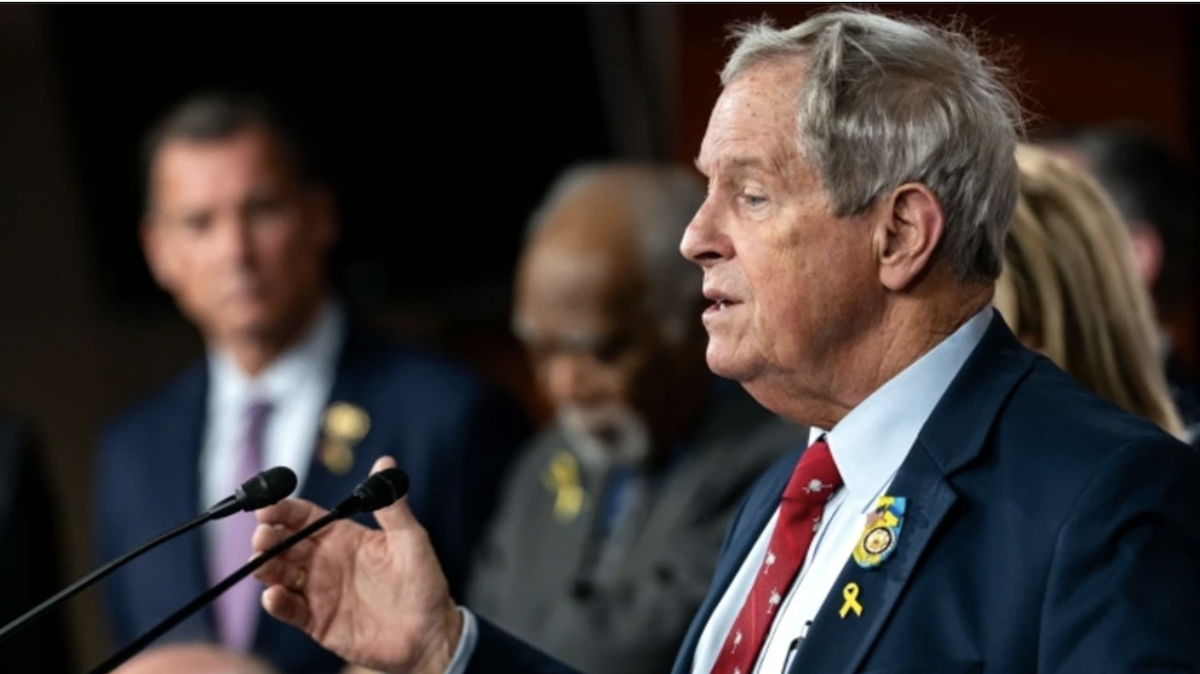
The authors also note that, against the backdrop of the peace process between Armenia and Azerbaijan initiated by President Donald Trump’s administration, Tbilisi is attempting to strengthen its position in regional negotiations.
According to the article, the ruling Georgian Dream party will likely seek to offer President Trump a transactional relationship while simultaneously pursuing closer ties with one of America’s most entrenched adversaries.
The authors argue that, without more constructive steps from Georgia’s government — including the release of political prisoners, the restoration of civil liberties and an end to pressure on pro-Western civil society — the Trump administration has little reason to view Georgia as a future partner.
They ask why the Trump administration should support what they describe as an increasingly authoritarian Georgian government unless it sees substantial changes demonstrating that Tbilisi can play a more constructive role than it has in recent years.
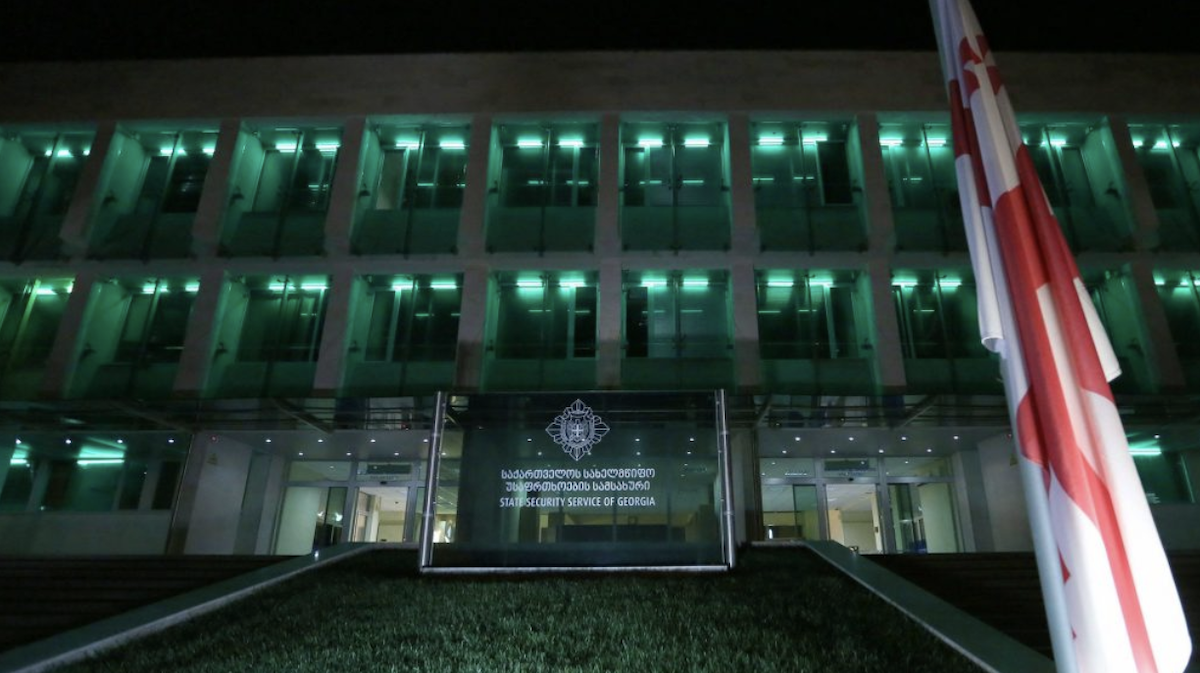
Washington Post on Georgia