April 9 in Georgia: 37 years since the tragedy and 35 years since the restoration of independence






Tragic events of April 9 in Georgia
Today, Georgia marks two of the most important dates in its modern history.
On April 9, 1989, the Soviet army used tanks and toxic gas to violently disperse a massive peaceful demonstration for Georgia’s independence in Tbilisi. 21 people died on Rustaveli Avenue. Hundreds were poisoned and suffered injuries and trauma.
Two years later, on April 9, 1991, an extraordinary session of the Supreme Soviet adopted an act on the restoration of Georgia’s independence. On the same day, independence was restored, which had been lost after the Sovietization of Georgia in 1921.
The night of 9 April 1989
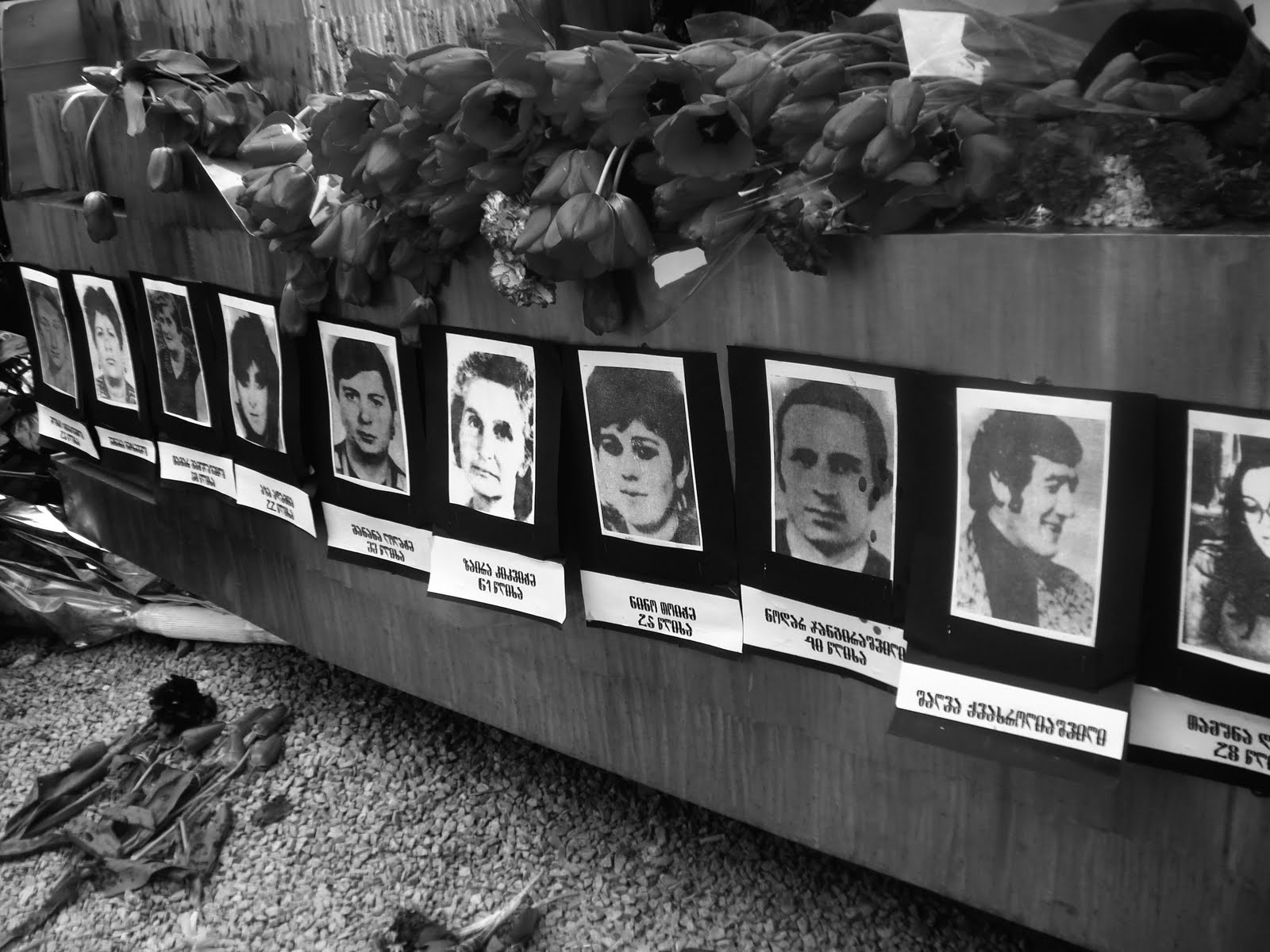
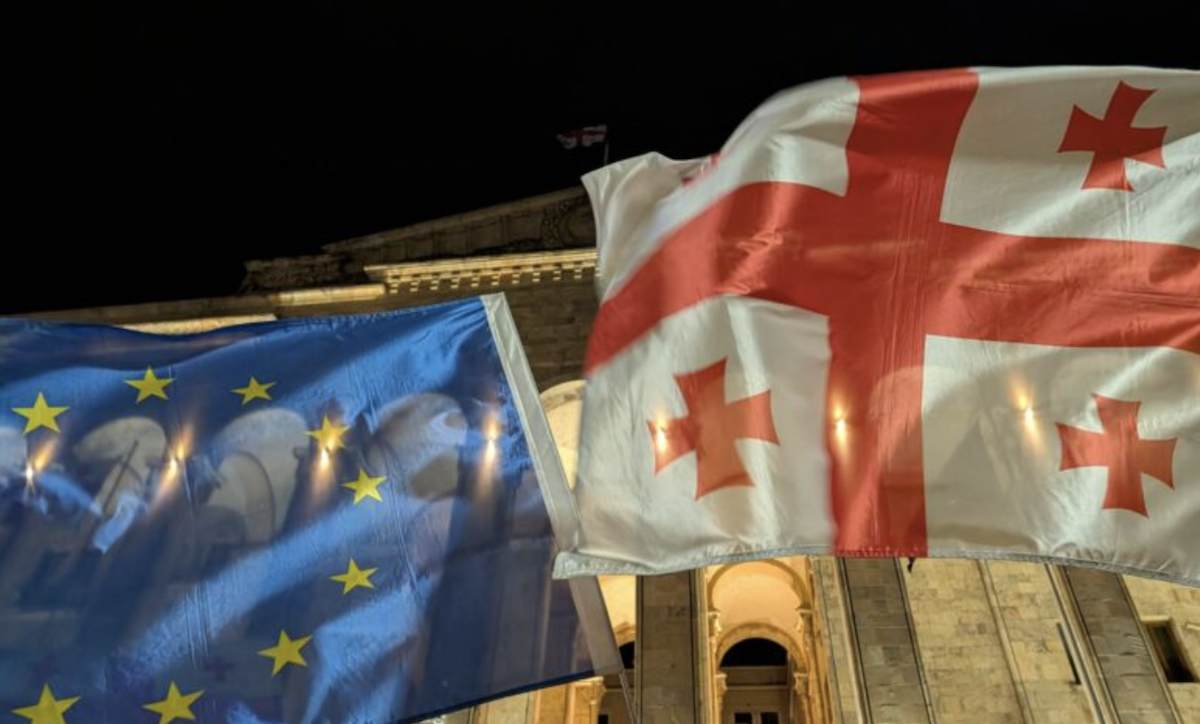
On the night of 9 April, riot police appeared on Rustaveli at 3:56 am. Thousands of participants had gathered in front of the Parliament building.
____________________________________________________________________________
● 100 years since Soviet occupation – what was Georgia’s first republic like?
● 29 years since the ‘Tbilisi war’
● Vinyl records from the Dry Bridge in Tbilisi, or Farewell to Soviet Georgia
● What Azerbaijan, Armenia and Georgia did 102 years ago when they became independent republics
_____________________________________________________________________________
Information that the Soviet army was prepared to suppress the demonstrations had been received earlier. A few minutes before the clashes began, in order to avoid bloodshed, Catholicos-Patriarch of All Georgia Ilia II called on the people to go to churches to hold prayer services.
The protesters, however, didn’t move. At dawn on Rustaveli Avenue, people were singing and dancing, but then an ominous silence fell – everyone was waiting for the security forces’ attack.
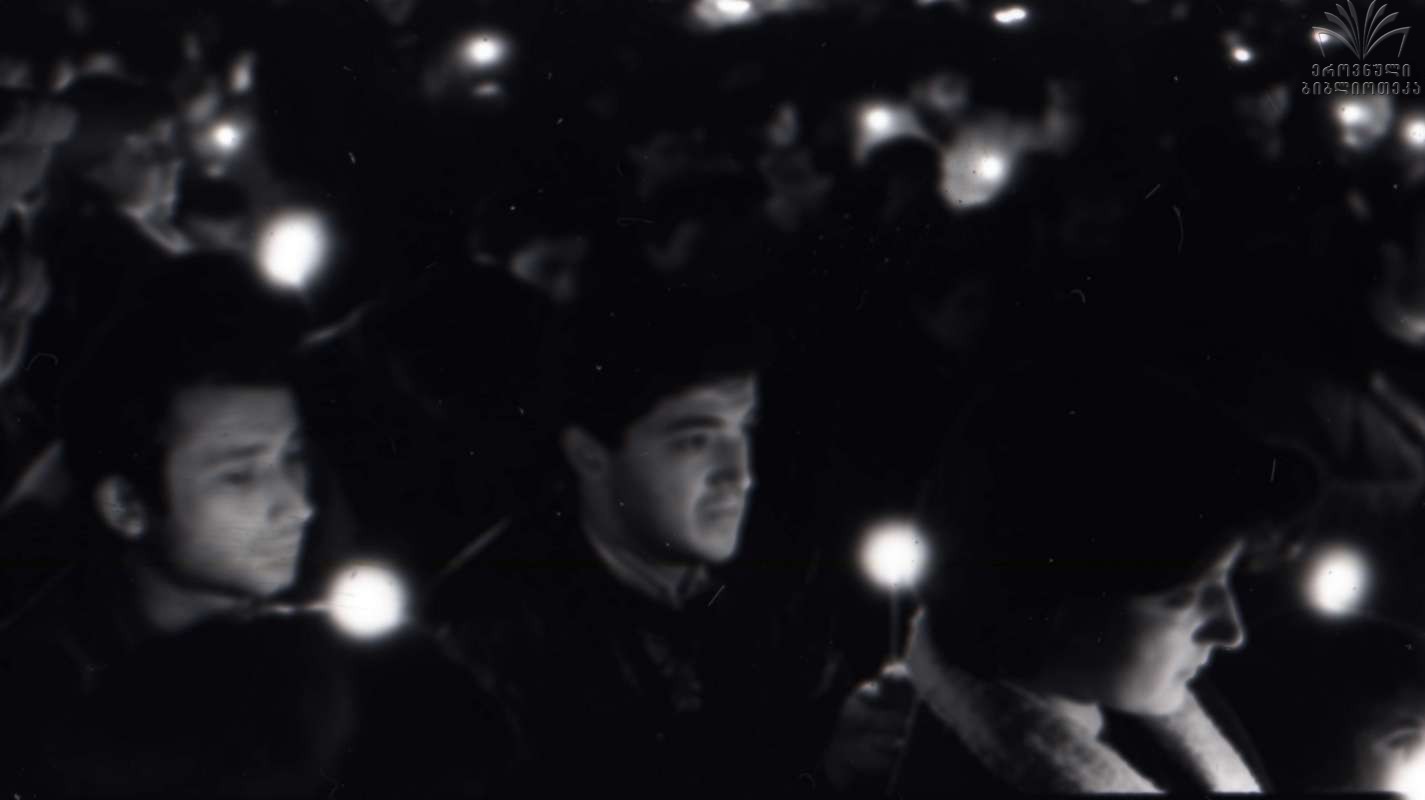
A few minutes after the Patriarch’s address, military units appeared near the parliament building.
Armed with batons and entrenching shovels, troops under the command of Colonel General Rodionov began a brutal crackdown on the demonstrators. A special forces unit used chemical gas.
16 demonstrators were killed on the spot. In the following days, the death toll rose to 21.
Most of those killed were women, including schoolgirls. Many of the victims had injuries consistent with blows from shovels. On the night of April 9, around three and a half thousand people were poisoned by chemical gas.
This was the dawn in Tbilisi.
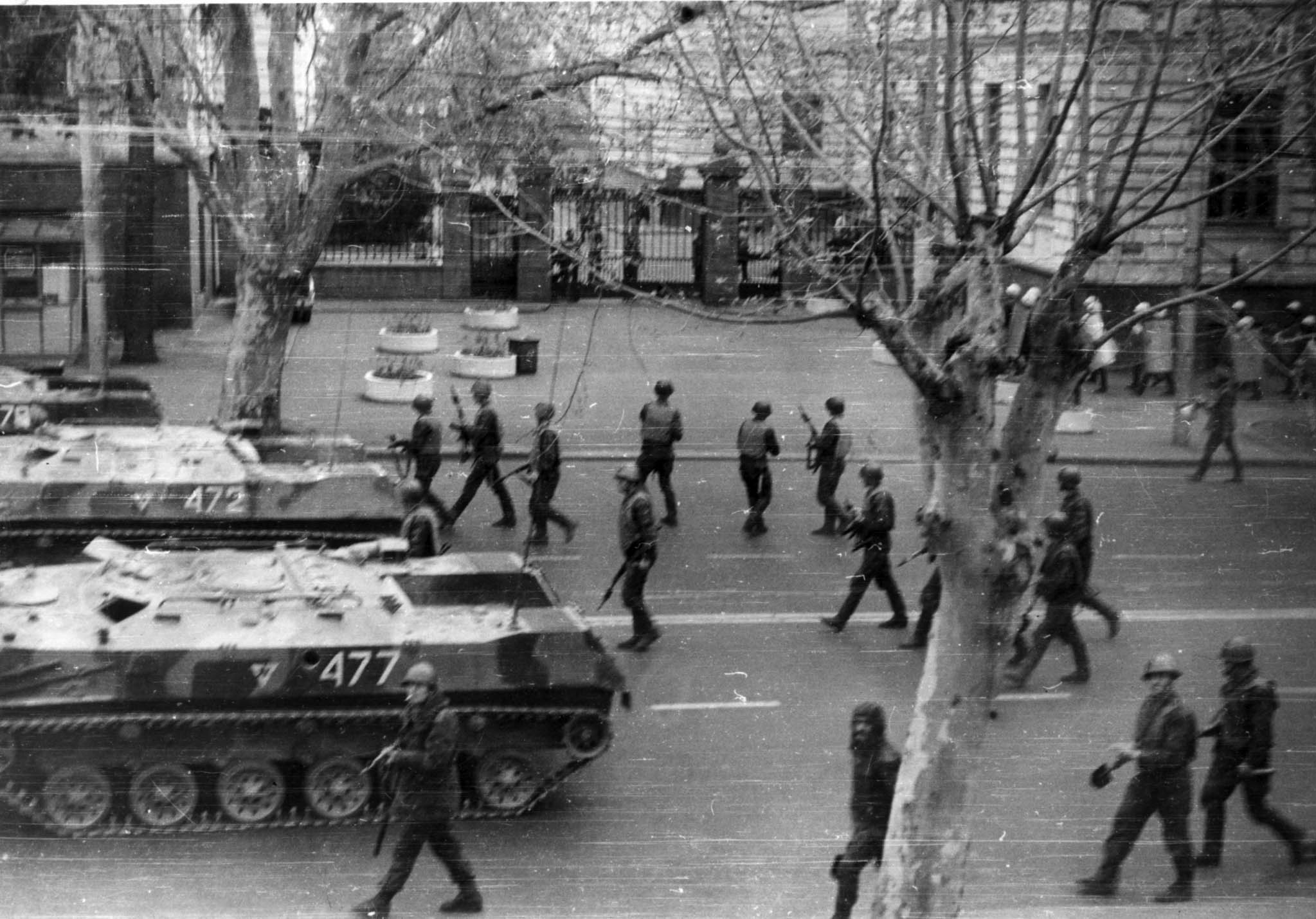
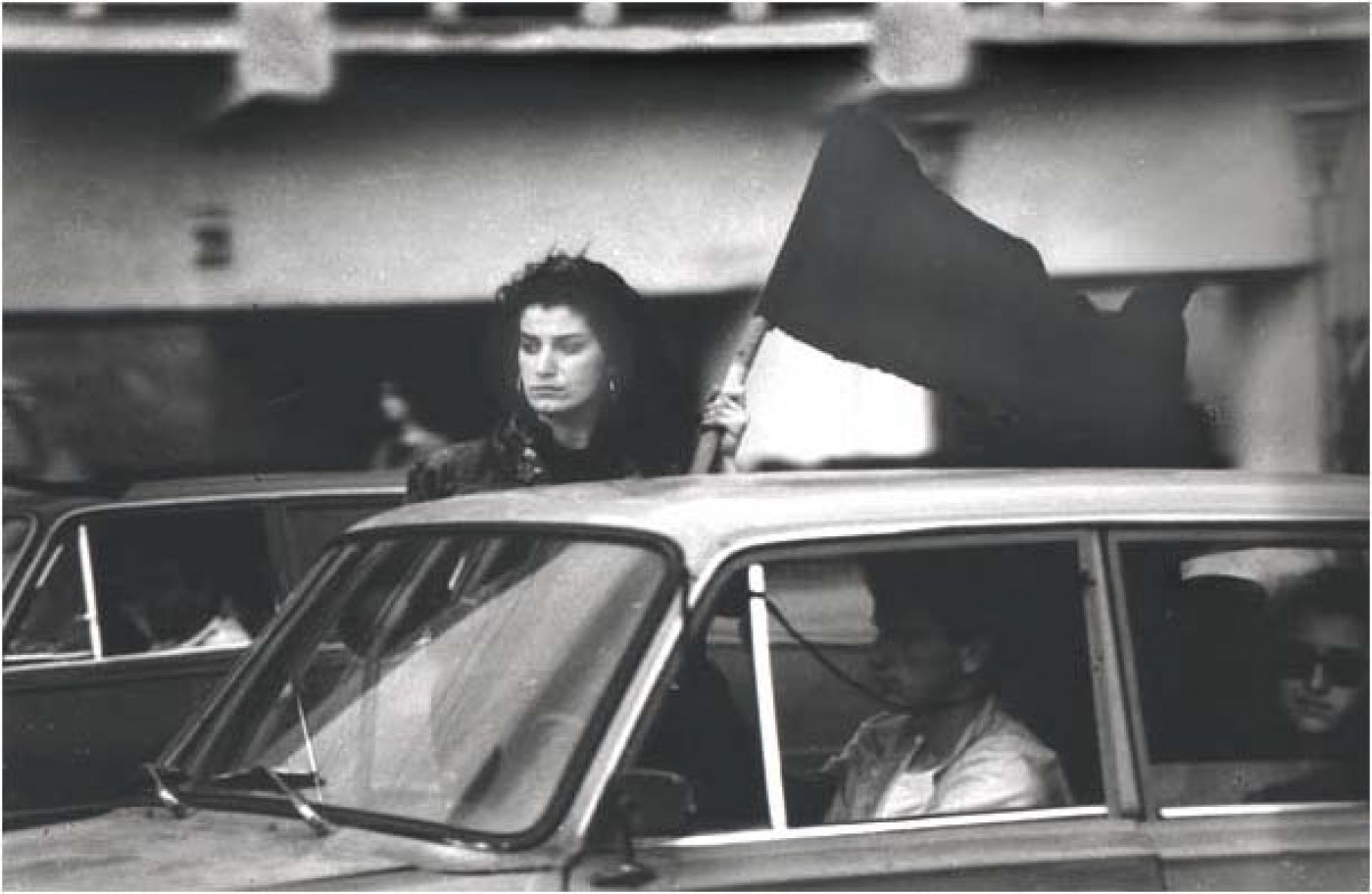
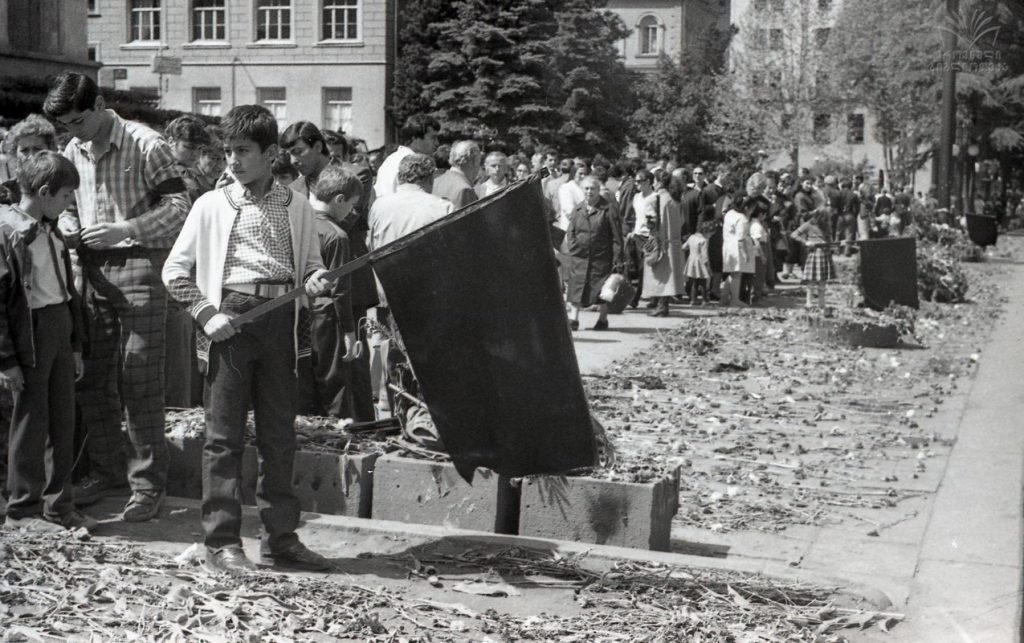
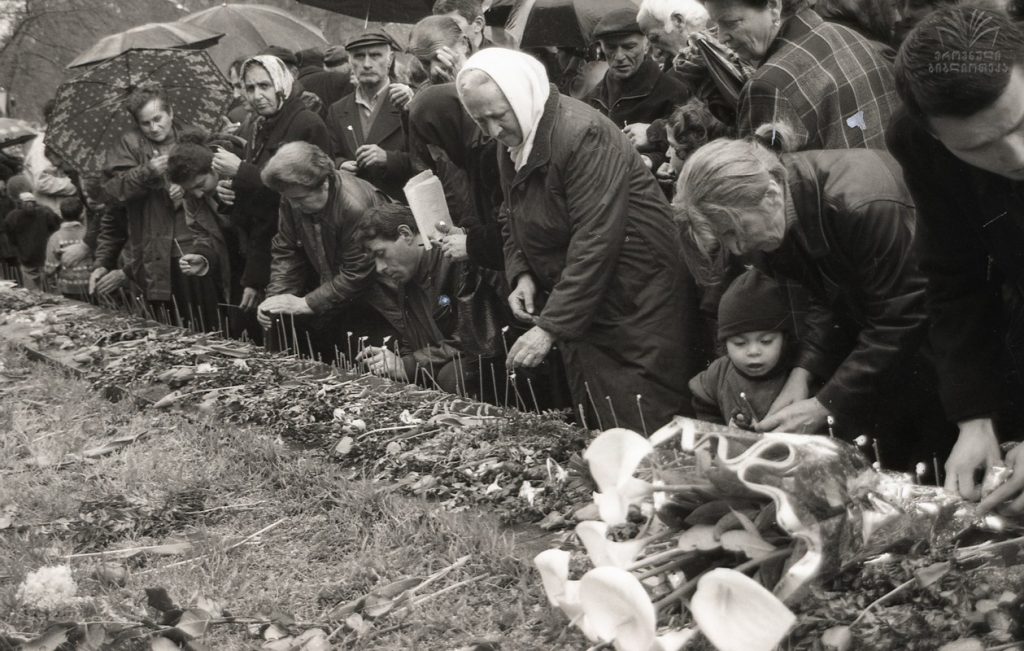
After the tragedy, a curfew was declared.
The Soviet press kept silent about the use of toxic gas. It also said nothing about how soldiers used entrenching shovels and batons against the demonstrators.
The victims were declared casualties of a stampede. The newspaper “Komunisti” wrote that what had happened was the result of unrest.
The only newspaper that dared to present an account of the events was the Russian-language Georgian paper “Molodezh Gruzii,” which published a photo report by journalist Yuri Rost along with the text.
The print run of that issue was seized and destroyed, and the editor Vakhtang Abashidze and the newspaper’s journalists faced serious repercussions.
Later, the seizure was lifted, and that issue of the newspaper was eventually reprinted and published. However, two photographs (which captured particularly brutal actions by Soviet troops) were not allowed by censorship. Two blank spaces remained on the page.
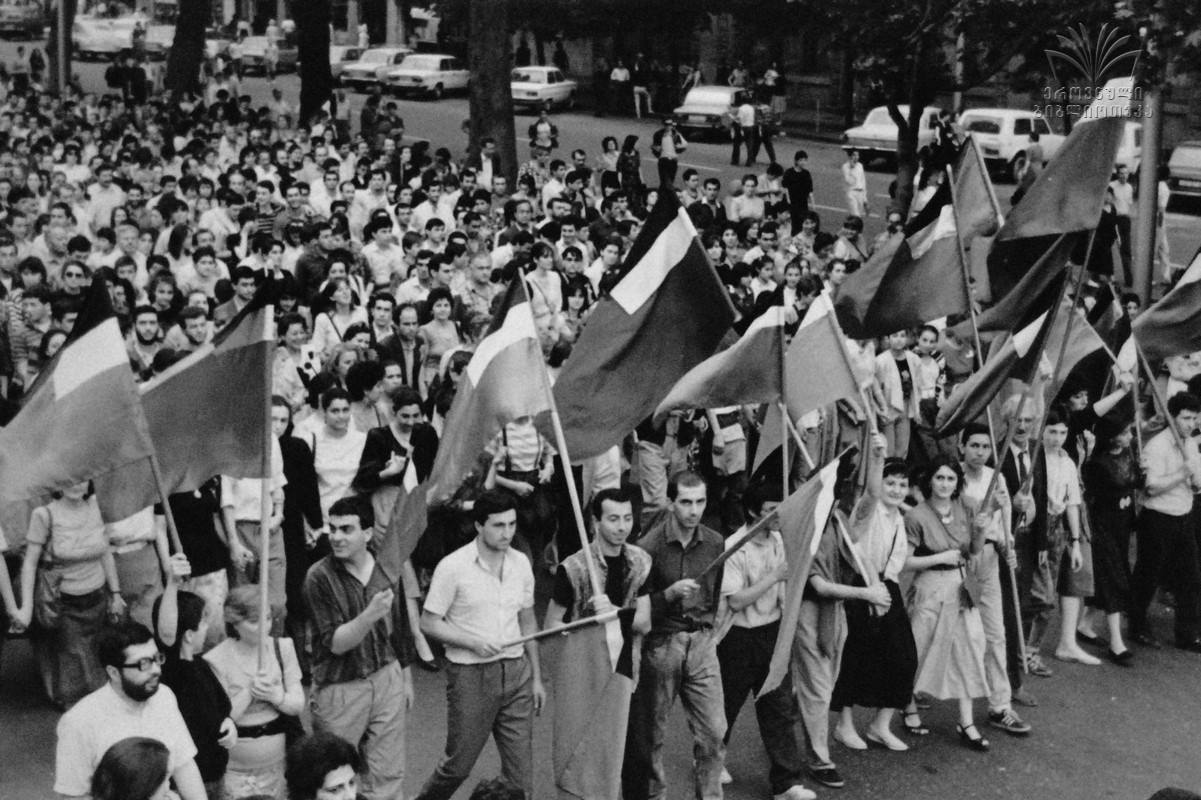
Two years before the restoration of independence
After this bloody night, the communist regime in Georgia practically collapsed. The government of Georgia, under pressure from the national movement and public opinion, in 1990 was forced to pass several resolutions, in fact, declaring the Soviet government in Georgia illegal.
A decree was also passed authorizing multiparty elections.
Elections were scheduled for October 28, 1990.
The Communist Party was defeated, and the political organization “Round Table – Free Georgia” headed by Zviad Gamsakhurdia won.
On March 31, 1991, a referendum was held in Georgia, during which the population had to answer the question whether they wanted to restore independence on the basis of the independence act of May 26, 1918. Almost 91 percent of the total population took part in the referendum, 99 percent of whom answered the question in the affirmative.
Noon April 9, 1991
On the basis of this referendum, exactly two years later, on April 9, 1991, at 12:30 at an extraordinary meeting of the first session of the Supreme Soviet in the government house, at the initiative of Zviad Gamsakhurdia, an act on the restoration of Georgia’s independence was adopted.
“It is symbolic to announce on April 9 the restoration of Georgia’s independence, since that day the fate of Georgia was being decided. The souls of the April 9 martyrs rejoice for us, because their will has been fulfilled, the will of the Georgian people to greet independent Georgia has been fulfilled. God bless us, ”said Zviad Gamsakhurdia, who later became the first president of Georgia.