Nearly 380,000 children registered in Georgia’s socially vulnerable database






A total of 379,957 children are registered in Georgia’s Unified Database of Socially Vulnerable Families, including 23,322 newly registered cases, in a country with a population of around 3.9 million. The figures come from a report by the ombudsman assessing the state of human rights and freedoms.
According to the report, 278,639 children receive subsistence allowance, with 12,868 of them accessing this support for the first time. The findings indicate that reliance on the state welfare system among families with children remains widespread.
The database includes 186,163 families with at least one child, of whom 129,329 receive subsistence benefits. The report says these figures reflect both the scale of social need and the growing pressure on the system.

Particular attention in the report is given to the subprogramme “Emergency Assistance for Families with Children in Crisis”, which covered 5,875 families in 2025 — a significant increase compared to the previous year. However, the ombudsman notes that the programme is inherently reactive and does not provide long-term support to help families overcome crisis situations.
The report says that while state and municipal services do facilitate access for families with children to various support programmes, this involvement often does not translate into sustainable socio-economic improvement. As a result, helping families achieve independent livelihoods remains a key challenge.
The report also highlights the “Shelter Provision Subprogramme for Mothers and Children”, under which seven shelters operate across the country. Last year, the service was used by 75 adult and two underage mothers, as well as 139 children. Despite the existing infrastructure, the report stresses the need to further develop services to better address individual needs and ensure more stable social reintegration after leaving shelters.
The ombudsman adds that a systematic assessment of the true scale of child poverty and its underlying causes in Georgia remains insufficient. According to the report, the rise in the number of children and families included in social programmes may be linked to increased awareness, changes in the scope of assistance, the impact of employment support schemes and shifts in administrative practices. However, explaining the increase solely through these factors is considered inadequate.
The report stresses that inclusion in social assistance programmes itself points to existing economic vulnerability, and calls for a deeper analysis to reveal the real picture of child poverty and support the development of evidence-based policy.
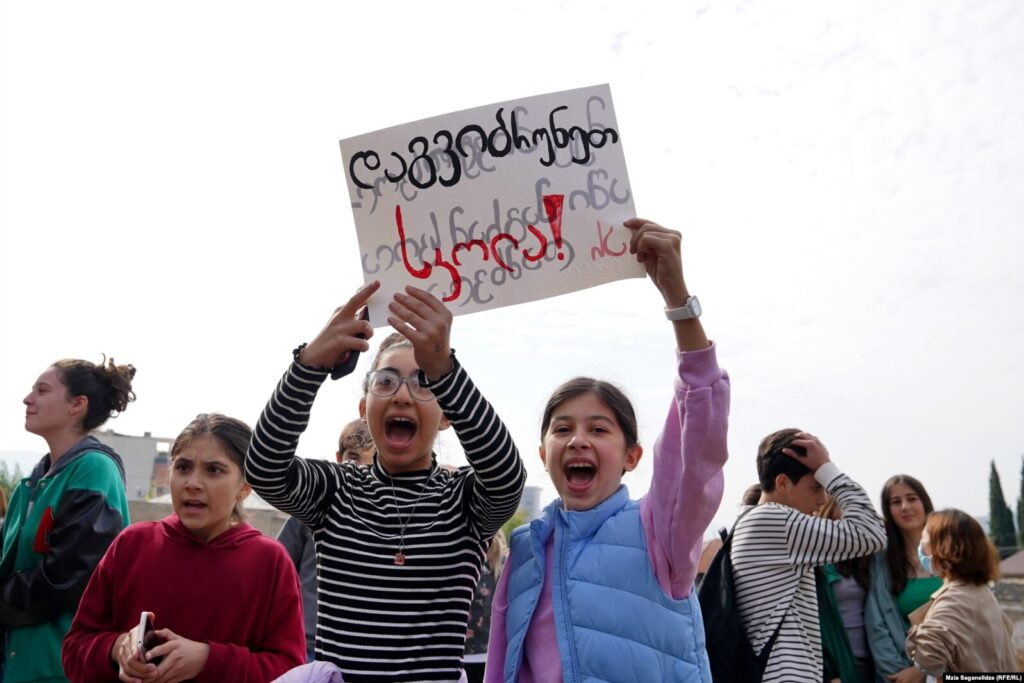
Socially vulnerable children in Georgia