

Opinion: Russian political consultants in Abkhazia — why it is more serious than election interference






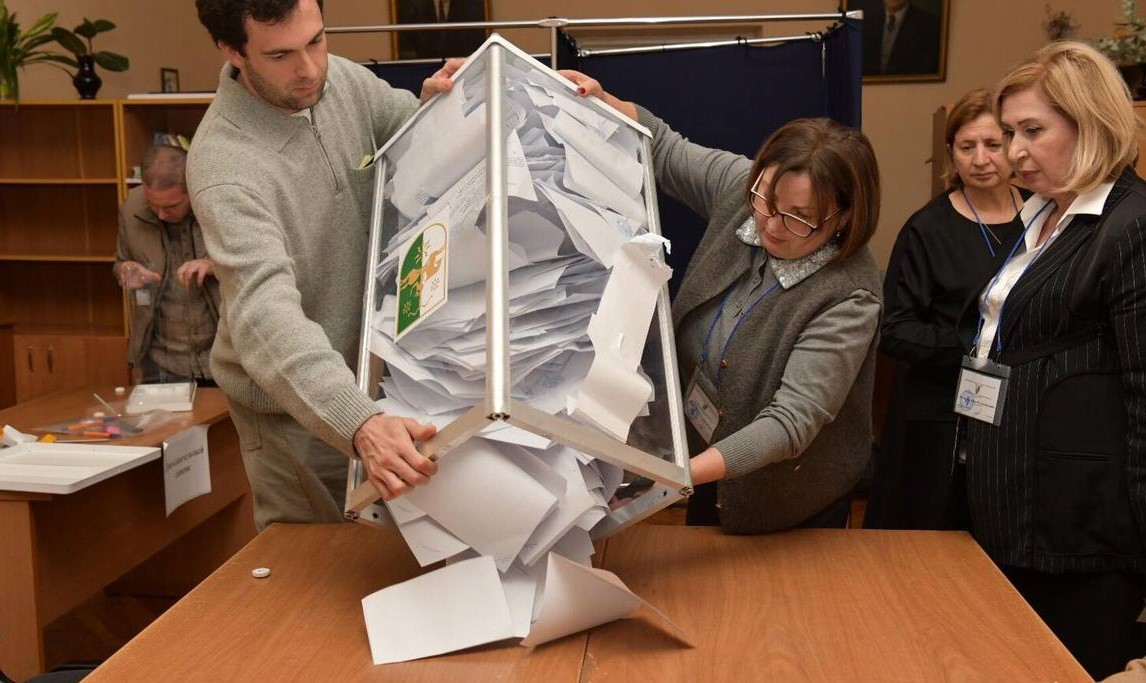
A scandal continues to unfold in Abkhazia over Russian political consultants who allegedly worked illegally for pro-government candidates during the recent municipal elections.
On 5 November, three days before the vote, a group of Abkhaz opposition activists raided an office where Russian political consultants were working, forced them to admit to illegal activity and handed them over to the State Security Service of Abkhazia.
Without conducting any investigation, the agency sent them back to Russia the same day.
The Russian side, in turn, said the consultants had been victims of a violent attack by Abkhaz opposition activists and opened a criminal case against the activists.
Abkhazia’s security service later launched its own inquiry, which resulted in administrative fines being imposed on the Russian political consultants.
This, however, satisfied neither the Abkhaz opposition nor, apparently, Moscow.
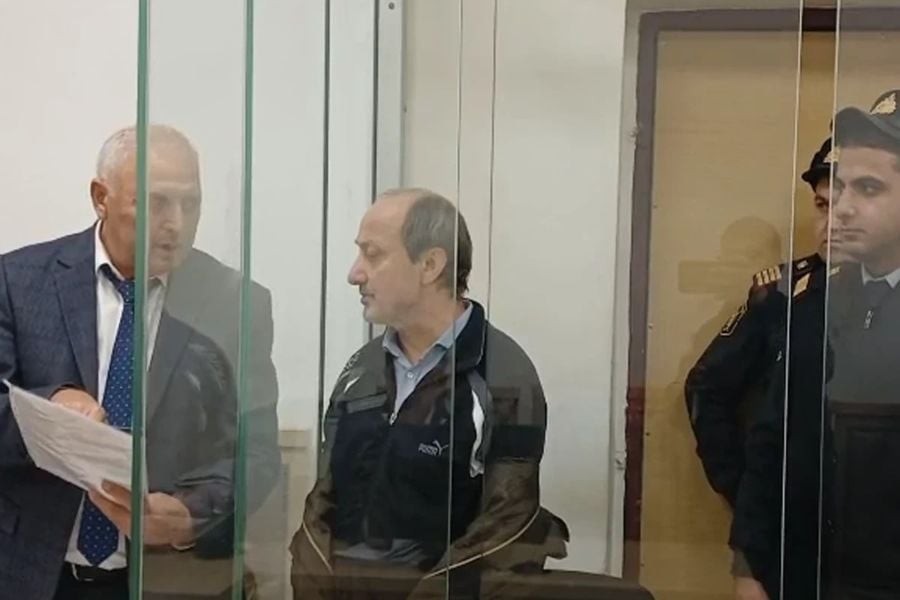
On 22 December 2025, the Sukhum prosecutor’s office opened a criminal case over death threats, violation of the secrecy of correspondence and misappropriation of funds against Russian citizens Ivan Reva, Dmitry Budykin and Pavel Timofeev — the same political consultants at the centre of the scandal.
A separate criminal case has also been opened over alleged violations of campaign financing rules for candidates in local government elections in Abkhazia.
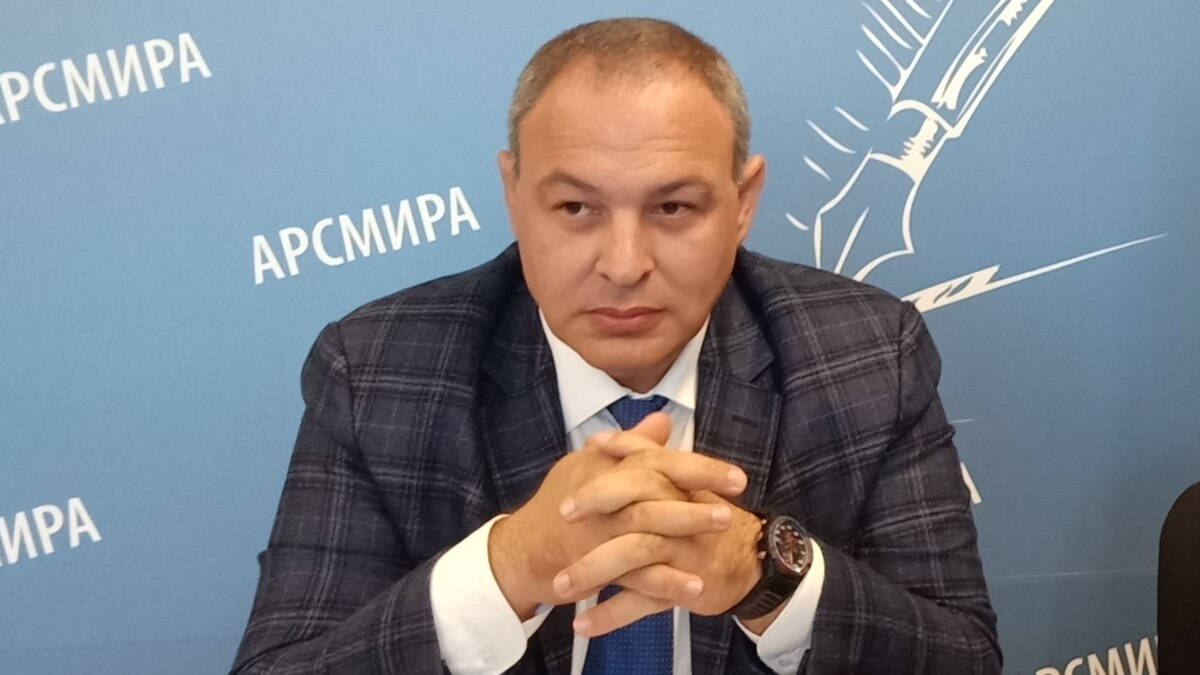
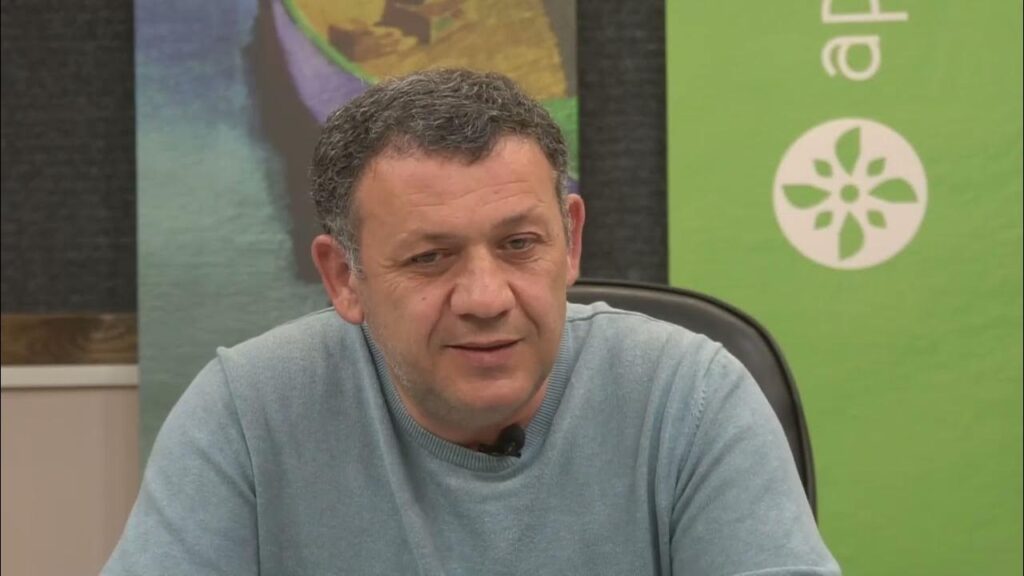
The head of the Ahyatsa civic movement, Akhra Bzhania, says the “case of the Russian political consultants” carries a deeper meaning than Abkhaz law enforcement agencies are presenting.
In his view, it is not only about Russia’s interference in the municipal elections, but about a gradual attempt to take full control of political processes in Abkhazia.
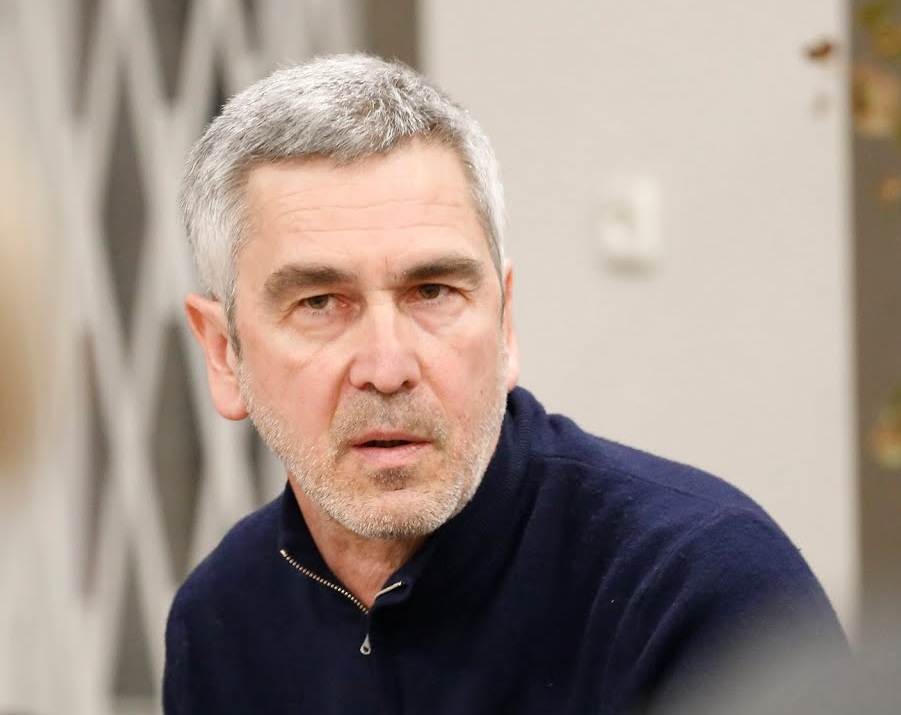
Akhra Bzhania:
“There is a proven way to change the constitutional order in any country: change the ideology, bring the right people to power, abolish the constitution. I fear that we are now going through exactly this scenario.
Russian political consultants are not simply hired operatives. On the contrary, it was they — and people like them — who were running the electoral processes, while local ‘politicians’ and the ‘authorities’ acted as their assistants and cover!
They came here with a clear task: to facilitate the gradual transformation of the political landscape in Abkhazia. The aim is that in the future there will be no votes against the president’s line, no protests, no free press and, accordingly, no opposition figures in power. Only loyalists are meant to be elected.
Half the republic was plastered with banners dividing society into those deemed acceptable and unacceptable. Polls were conducted on changing the system of government, people were openly recruited to shape a desired information environment, and election campaigns for candidates to public office were funded — yet Abkhaz law enforcement agencies and the courts have limited themselves to administrative fines.
But there is a silver lining. Had this story not entered the public domain, we would still not grasp the scale of the problem. We would not have learned that foreign specialists, using foreign money and local cover, were organising elections to suit their own future agendas.
Their sense of impunity let them down. Being caught red-handed was likely a shock to their handlers, as it put the plan to manage elections in Abkhazia at risk.
Something had to be done. And what was done was to discourage locals from interfering in the work of similar political consultants tasked with ‘reforming’ our state. That is why criminal cases were opened in Russia, and why our law enforcement agencies were instructed to take action.
But the most striking point is that those who are now trying to persecute Abkhaz civil society while turning a blind eye to the actions of visiting political consultants may soon find themselves crushed by the very system they are serving. The Abkhaz republic — with its laws and elections, which provide them with jobs and social standing — could lose so much of its autonomy that their services will no longer be needed!
If Russian political consultants can control our expression of will, why should they not go on to control everything else — ministries, agencies, television, administrations?
It appears that Abkhazia’s security officials themselves are uncomfortable dealing with this case. But even if they want to quietly shelve it, society must demand a clear position from them: either you protect us — and yourselves — from foreign interference in our constitutional rights, or you will face protests.
No one in our society is naïve enough to believe that the activities of political consultants will be limited to the electoral process. Tomorrow they will move on to shaping compliant political institutions — parties, civic groups, youth organisations. And from there, it is not far to a referendum on the status of Abkhazia.
I do not think Abkhazia’s citizens would welcome such a prospect. Our republic has cost us too much to throw it at the feet of Ivan Reva and others like him.”
Toponyms, terminology, views and opinions expressed by the author are theirs alone and do not necessarily reflect the views and opinions of JAMnews or any employees thereof. JAMnews reserves the right to delete comments it considers to be offensive, inflammatory, threatening or otherwise unacceptable.
Russian political consultants in Abkhazia