OSCE rapporteur: 'Georgia’s response to part of the Moscow Mechanism report is particularly hostile'






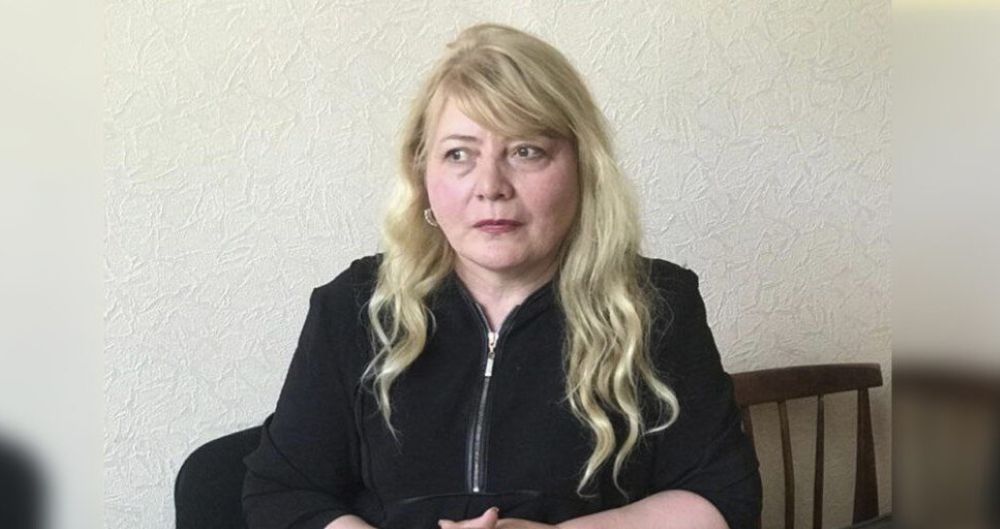
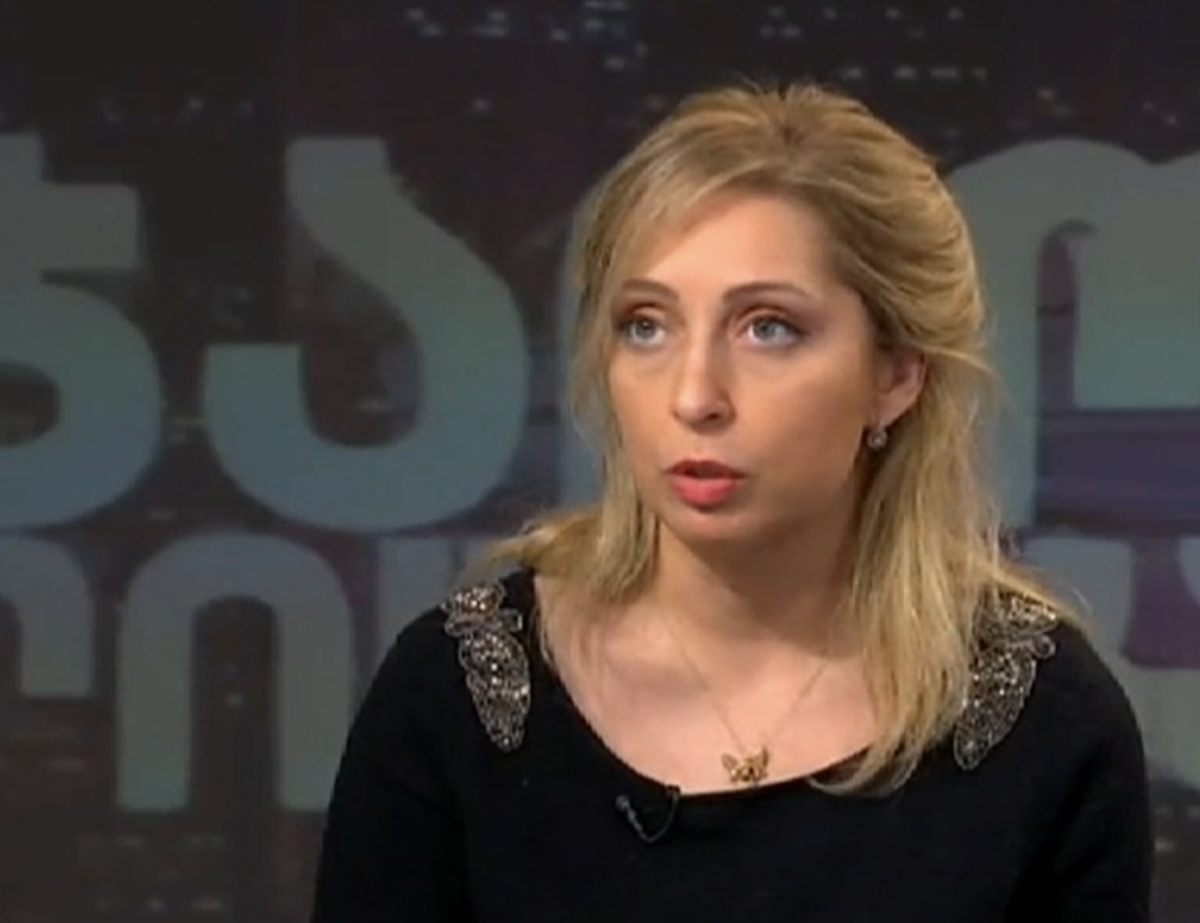
Patricia Gzhebik, author of the OSCE Moscow Mechanism report on Georgia, says the reaction of the Georgian authorities to part of the report has been “particularly hostile”. She adds that the report did not aim to “start a legal battle” or promote any political agenda.

In an interview with Interpressnews, Gzhebik says her task was to carry out the mission and outline possible ways to assess the situation in Georgia. She rejects accusations of bias from the Georgian authorities and says she “received no political instructions”.
She adds that, despite later criticism, her meetings with officials during the visit were constructive. Gzhebik says she met senior government representatives, including the prime minister. They allowed her to ask questions and receive answers, including after she left the country. She also notes that the report seeks to reflect the positions of all sides, including the authorities.
However, Gzhebik says the recommendations section triggered the strongest reaction from the Georgian government. She argues that the facts presented in the report are “fairly described” and based on multiple sources. During her visit, she says she did not encounter scepticism, but rather a willingness to cooperate and clarify the situation.
In the interview, Gzhebik also responds to claims that she represented Poland’s interests. She says the OSCE, not any individual state, appointed her, and she prepared the report for the organisation. She adds that she is not familiar with how states coordinate the initiation of the Moscow Mechanism and that her role focused solely on legal analysis.
Gzhebik, a professor at the University of Warsaw, stresses that she works as an independent expert and does not represent the Polish government. She says providing expert opinions to international and national institutions forms part of her professional work and does not imply any political affiliation. She also rejects allegations of a conflict of interest raised by government representatives, including in connection with her work in international courts.
According to Gzhebik, her “only interest” was to carry out the mission, and she had no other “agenda”.
Context
On 12 March 2026, the OSCE Office for Democratic Institutions and Human Rights (ODIHR) published a Moscow Mechanism report highlighting a deterioration in human rights and fundamental freedoms in Georgia.
The report, which runs to more than 200 pages, describes developments in Georgia from early 2024 to the present. It outlines democratic backsliding, a worsening human rights situation, pressure on the media, the prosecution of protesters and opposition figures, repression of dissent, the presence of political prisoners and the adoption of restrictive legislation.
The Georgian authorities criticised the report, saying it does not reflect the full political and legal reality of the country. Georgia’s permanent representative to the OSCE, Alexander Maisuradze, said the report contains factual inaccuracies, selective interpretations and politically biased conclusions, raising doubts about its credibility.
OSCE Moscow Mechanism report on Georgia