NATO secretary general: 'we continue cooperation with Georgia'






NATO and Georgia
According to NATO Secretary General Mark Rutte’s annual report, the South Caucasus remains an important region for the alliance’s security, particularly in light of Russia’s war against Ukraine.
The report highlights progress made towards peace between Armenia and Azerbaijan, the active involvement of the United States in the process, and the importance of the August peace agreement for regional stability. It says NATO is ready to deepen dialogue and cooperation with both countries.
As for Georgia, the report says that in light of the 2024 parliamentary elections and subsequent developments, the Alliance has reviewed some elements of cooperation, including the NATO–Georgia Substantial Package.
It notes that progress in the defence sector was marked by NATO–Georgia exercises held in May. According to Mark Rutte, NATO’s office in Tbilisi continues to actively engage with all three partners in the South Caucasus.
The report also says that Georgia is currently among the partners receiving support under the Alliance’s Defence Capacity Building initiative.
These countries include:
- Bosnia and Herzegovina
- Georgia
- Iraq
- Jordan
- Mauritania
- Moldova
- Tunisia
The main goal of the initiative is to strengthen partners’ capabilities so they can ensure their own defence, increase resilience, and contribute to regional security and stability

At a press conference, NATO Secretary General Mark Rutte said that despite serious concerns, it is necessary to maintain dialogue with Georgia. He noted that NATO works closely with the European Union and believes it makes sense to keep engaging with the country.
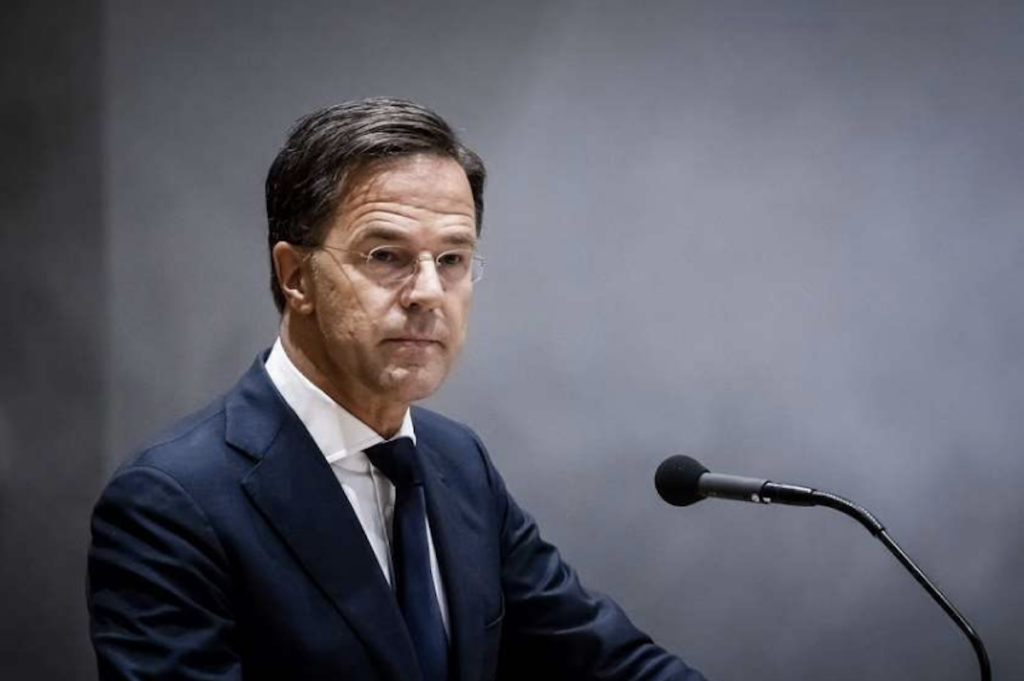
Mark Rutte: “First of all, when it comes to Georgia, we are in close coordination with the European Union. As for relations between NATO and Georgia, we believe it makes sense to maintain them. However, of course, we must also take recent developments into account.
That is why we call on Georgia to return to a more pro-European, future-oriented path and to ensure the continuation of its trajectory of democracy and the rule of law.
Clearly, there are serious grounds for concern at present. We are holding discussions, but we have also taken the position that it is better to maintain relations and use dialogue to address problematic issues than simply say we do not like what is happening and completely break off ties.”
NATO and Georgia