European report on press freedom: situation in Georgia deteriorates rapidly






Report on press freedom in Georgia
Media freedom in Georgia deteriorated sharply in 2025. According to the Council of Europe’s annual Platform for the Protection of Journalism and Safety of Journalists report, the number of alerts over press freedom violations rose by 78% compared with 2024.
The authors highlight institutional repression, the politicisation of law enforcement and political control over state-funded outlets. They say these trends point to a deeply troubled media environment in the country.
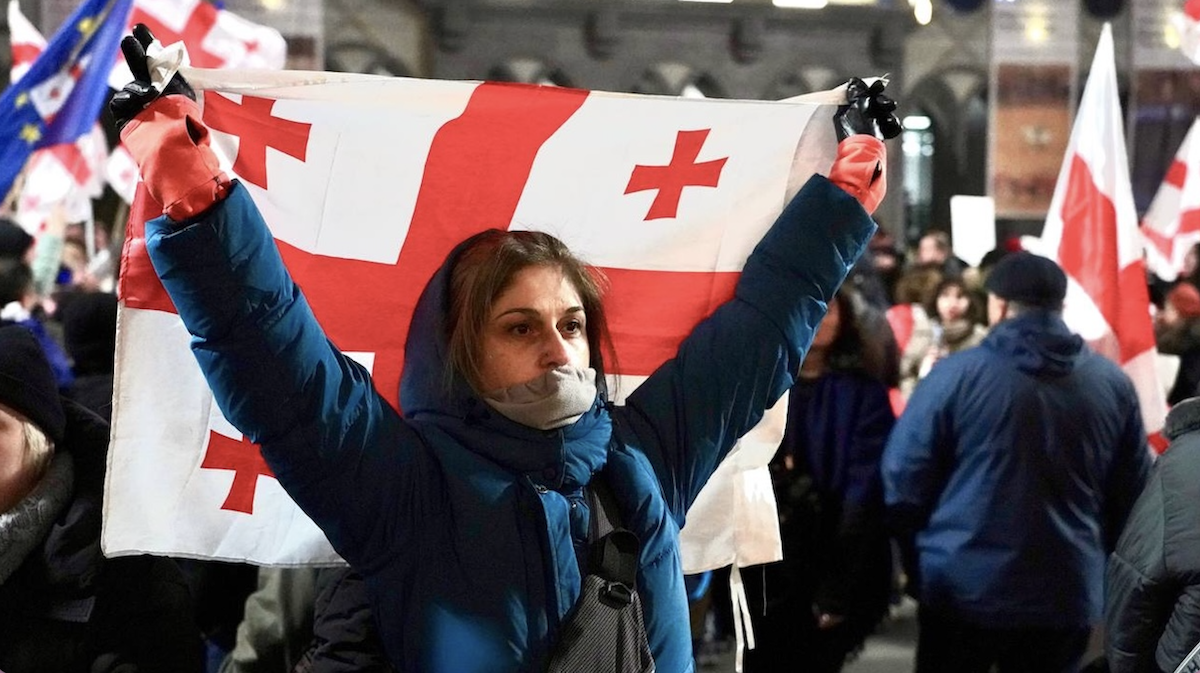
Notable cases of pressure on journalists
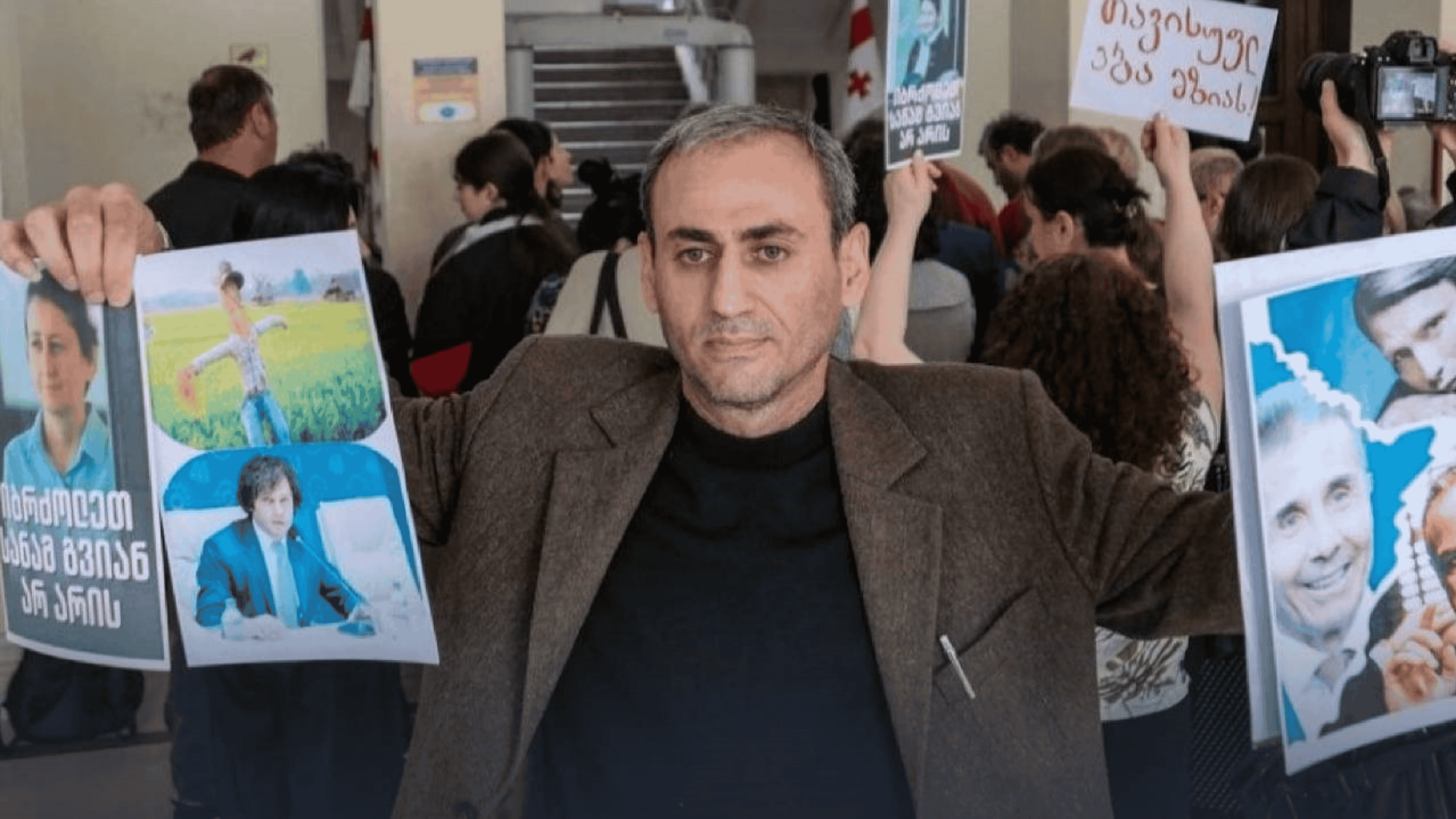
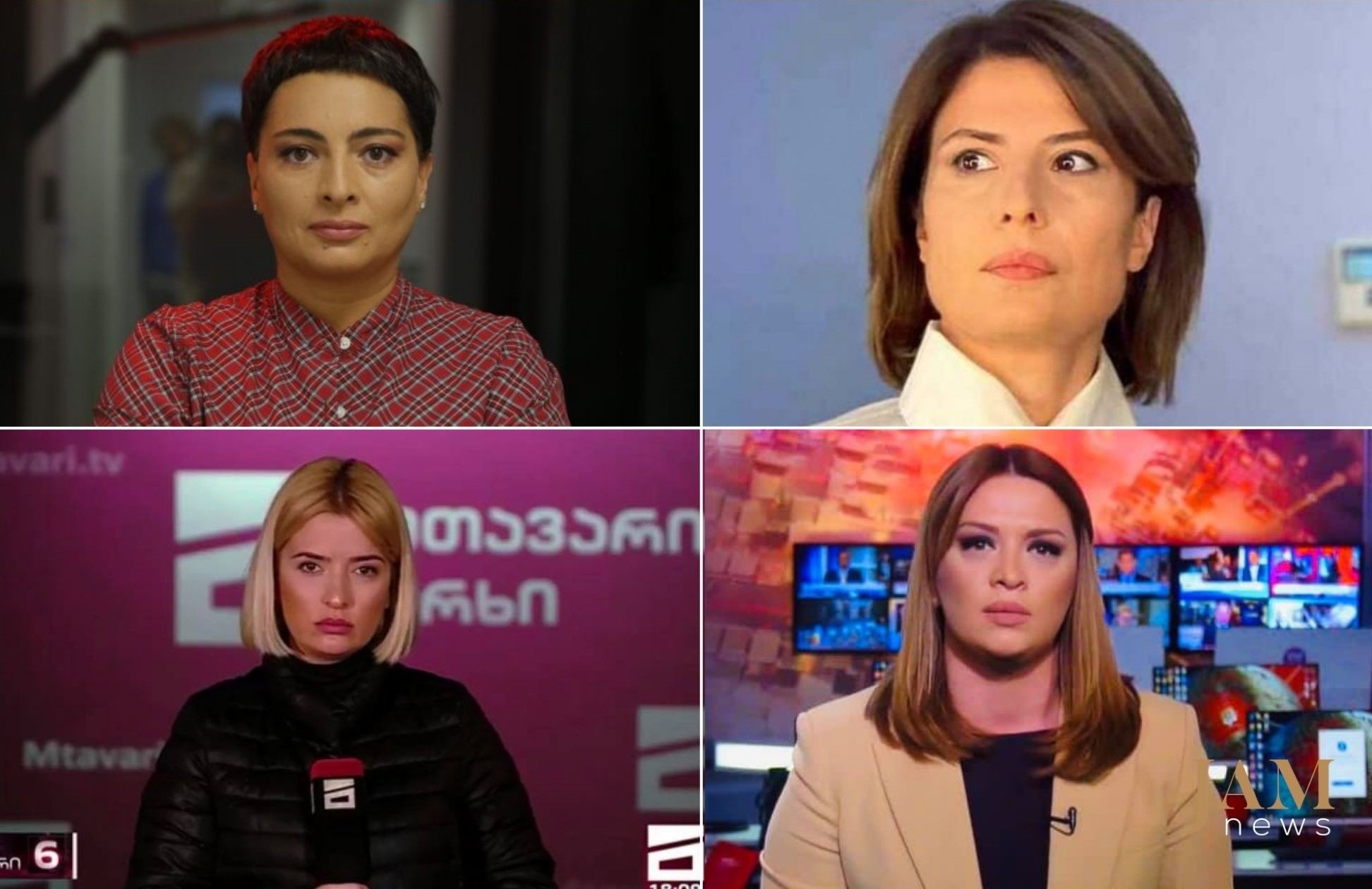
- Mzia Amaglobeli, founder of the independent outlets Netgazeti and Batumelebi, received a two-year prison sentence in August 2025 after a period of pre-trial detention and what critics described as politicised court proceedings. Authorities also threatened her media organisations with economic pressure and smear campaigns.
- Ninia Kakabadze, a journalist with Mediachecker, was arrested in November while covering pro-European protests. Authorities took similar action against Mamuka Mgaloblishvili, a journalist with Publica.
Repressive legislation
- On 1 April 2025, lawmakers from the ruling Georgian Dream party adopted a new version of the “foreign agents” law, titled the “Law on the Registration of Foreign Agents”. The legislation introduces fines of up to 25,000 lari and prison sentences of up to five years.
- On 12 June 2025, parliament passed amendments to the Law on Grants. The changes require foreign donors to obtain prior approval from the executive authorities before awarding grants.
- Amendments to the Law on Broadcasting, which came into force in June 2025, expanded the powers of the national media regulator, the Georgian National Communications Commission (GNCC). The regulator can now oversee factual accuracy, objectivity and confidentiality — areas previously governed by self-regulation. Under the new rules, the GNCC can impose fines of up to 3% of a broadcaster’s annual revenue or revoke its licence for violations.
State control over media
- The Georgian Public Broadcaster has shown political bias and promoted anti-European rhetoric.
- Management interference has led to the dismissal of several journalists and the cancellation of a number of programmes.
Restrictions on foreign journalists
Georgia has denied entry to several foreign journalists, including:
- British freelance reporter Will Neal;
- French photojournalist Jérôme Chobeaux;
- Italian journalist Giacomo Ferrara;
- Swiss photojournalist Gregor Sommer.
Reports also say authorities have fined journalists, confiscated their equipment and restricted their work in other ways. Despite this pressure, independent media outlets continue to operate.тать.
Context
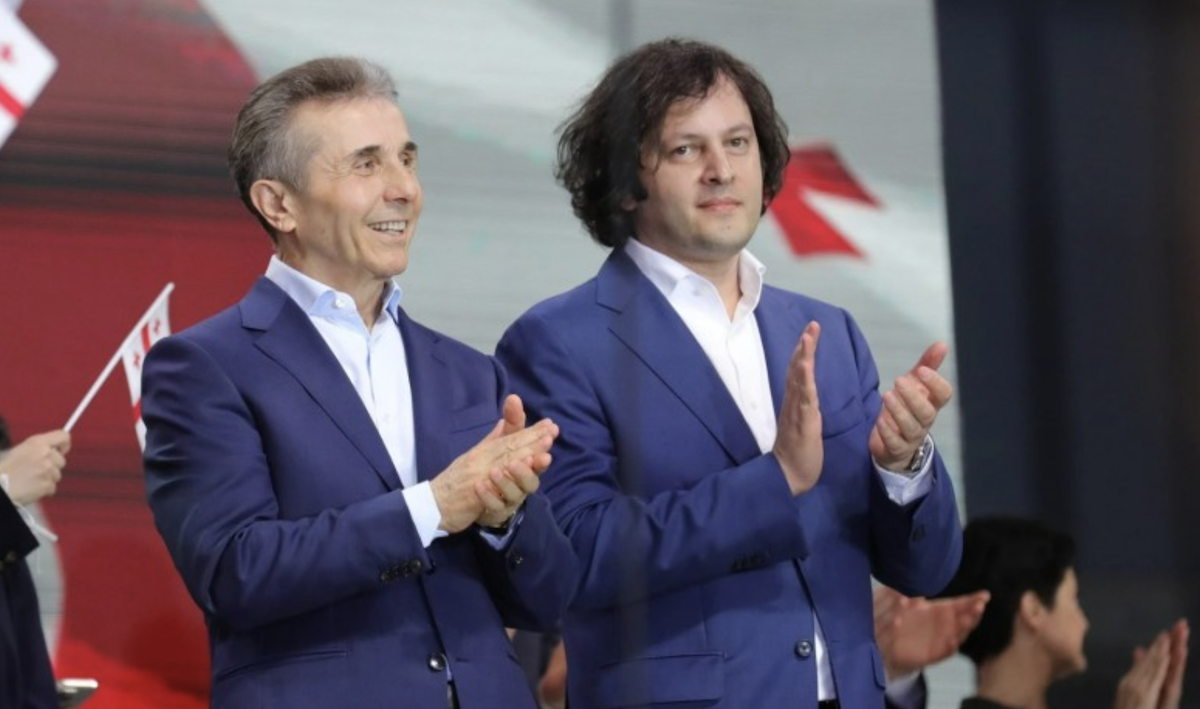
Restrictions on media freedom in Georgia are unfolding amid deep political polarisation, with state institutions using legal and administrative tools against independent journalists.
International organisations and Western governments have repeatedly voiced concern. However, in the absence of effective pressure, the resilience of Georgia’s media sector remains under serious threat.
Report on press freedom in Georgia