'The entire logic of how power operates needs to change': views on electoral reform in Abkhazia


Heated debate has erupted in Abkhazia over electoral reform ahead of parliamentary elections scheduled for 2027.
The reform would replace the majoritarian system with a mixed electoral system. Yet supporters of both approaches agree on one point: both systems are too vulnerable to offer much hope of significantly improving the “quality” of the elected parliament.

Prominent Abkhaz public figure and former MP Ilya Gunia proposes considering a model of governance in which the election of MPs and the president would be entirely independent of local or party interests.
What Ilya Gunia proposes
Abolishing territorial constituencies in parliamentary elections
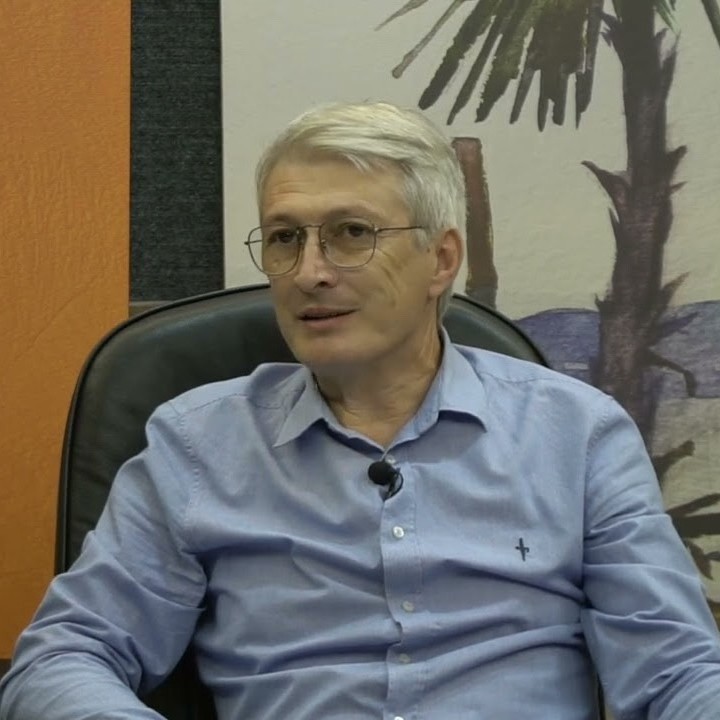
“Parliament is a national legislative body, not a local self-government institution. Therefore, citizens across the republic should be able to vote for individual candidates, regardless of where they live.
Under a nationwide vote, the first 35 or 45 candidates who receive the most votes would win parliamentary seats,” Gunia believes.
In his view, this model would shift the focus from local election campaigns to nationwide competition. It would also give people with a public profile across the republic, rather than just in individual districts, a chance to enter parliament.
Changing the way the president is elected
As an alternative to direct presidential elections, Gunia proposes that parliament elect the president:
“This would reduce the financial and political burden on society, eliminate the need for a separate large-scale presidential election campaign, and make MPs responsible for choosing the head of state.”
He stresses that the president’s powers must be clearly defined. The country must also establish safeguards for parliamentary independence and mechanisms to oversee the executive branch.
Redistributing powers and establishing a system of checks and balances
“The most important thing is to review the current system of relations between the branches of government. The Constitution must clearly define their powers, establish mechanisms for mutual oversight and accountability, and provide safeguards against the concentration of power in one person’s hands,” Ilya Gunia believes.
In his view, the relationship between the branches of government must be legally synchronised. If the president becomes unable to perform his duties and resigns before the end of his term, parliament should automatically dissolve. This would force the legislative and executive branches to work closely together, share responsibility to the public and spare Abkhazia from an endless cycle of elections.
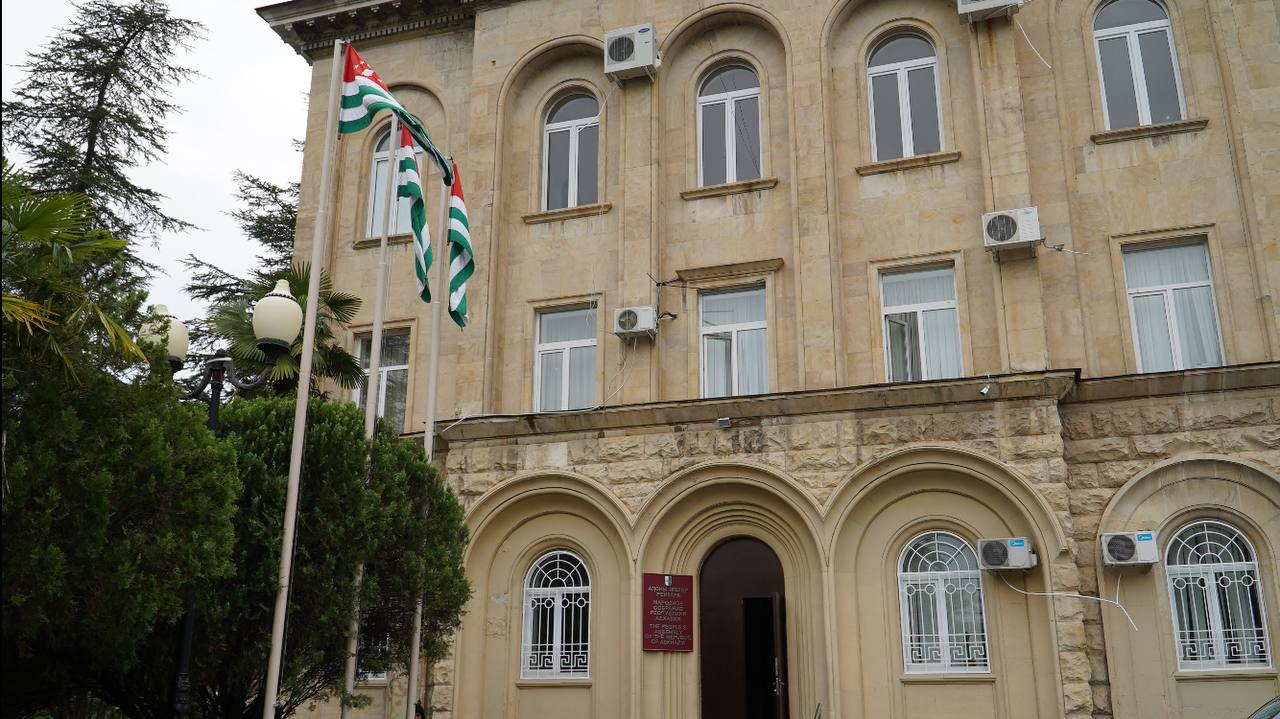
The former MP says his proposal aims to create a system in which no branch of government can shift responsibility onto another without facing consequences.
*“Abkhazia does not simply need a new electoral system. We need to change the very logic of how power operates, put an end to recurring political crises and build institutions that function regardless of who occupies the presidential office or which political forces hold seats in parliament.
In my view, this should be the main goal of genuine political reform,”* Ilya Gunia says.
The terminology, place names and views expressed in this article are those of the author and do not necessarily reflect the editorial position of this website.