Pottery emerges as popular form of art therapy in Armenia






- Every life matters: how people and animals save each other in Armenia
- “They need to feel useful”: Preserving memory in Armenia
- ‘They need me’: story of father who was left alone to raise two toddlers after his wife’s death
How a hobby became a life’s work
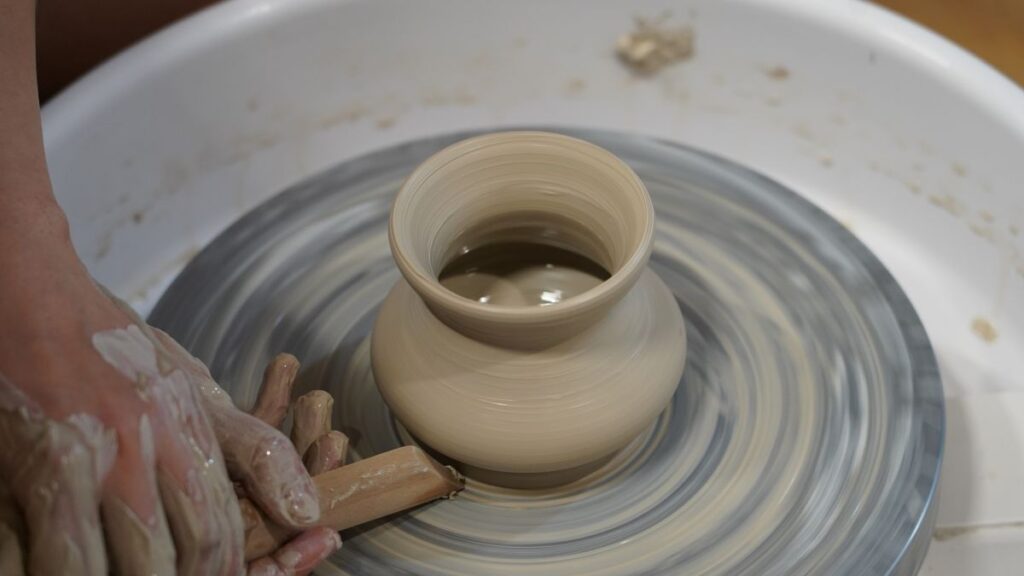
In Mariam Gevorgyan’s hands, clay is more than just a material. Every piece she creates has its own story, character and mood. Malleable clay transforms thoughts, unspoken words and memories into works of art. It also inspires her students to express themselves in the same way.
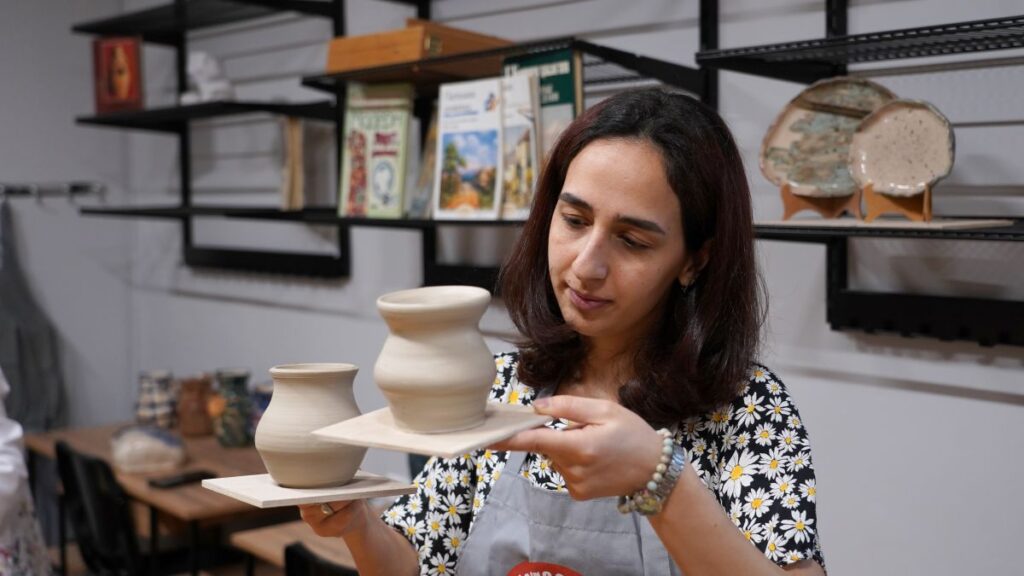
However, the story did not begin with a childhood dream or a carefully planned career choice. It all started with a mug she made for a colleague.
“One day, a colleague was telling me about a moustache mug. He couldn’t find one anywhere. Feeling rather pleased with myself, I said I could make one. We made a bet over whether I could. I came to the Terracotta art studio and made the mug. The moustache turned out well, but the mug itself wasn’t very practical. I gave it to him anyway and won the bet. I don’t remember what happened next. But after that, I made many more pieces and carried on working with ceramics,” she says.
The hobby might never have become her profession had it not been for Mariam’s curiosity. During her very first lesson, she even tasted the clay. Later, she tried the glaze used to give pottery its glossy finish.
“I was fascinated by the material I was working with. I wanted to know what it tasted like. The next step was tasting the glaze, which I would never recommend to anyone because it’s essentially glass. It comes as a powder, but you definitely shouldn’t eat it. Of course, I tried it anyway. It didn’t taste good,” she recalls.
Mariam says pottery helps build resilience. It teaches patience, encourages people not to rush, and helps them overcome the fear of making mistakes.
She says those skills now help her in her other job in the service industry as well.
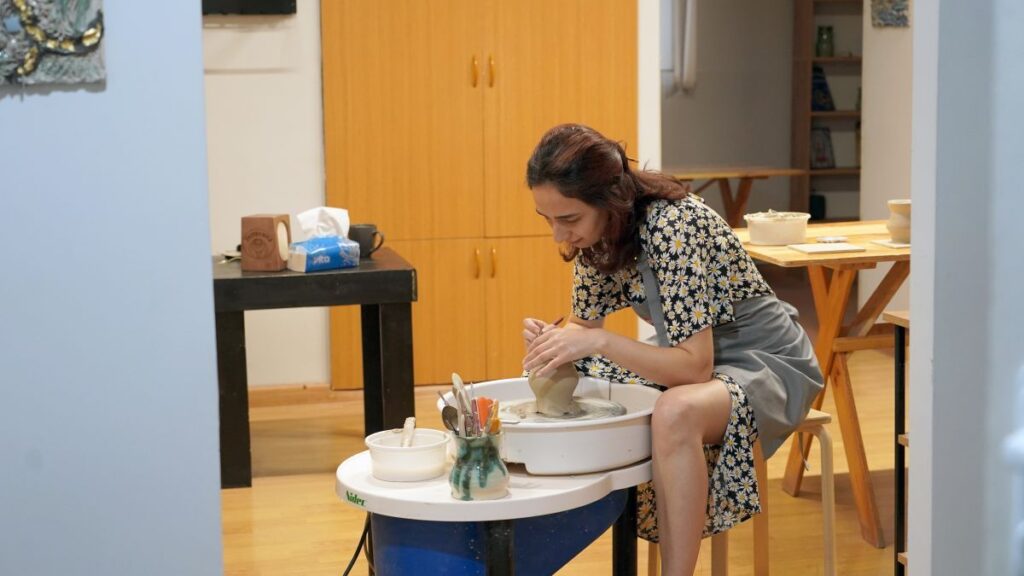
“Working on the potter’s wheel is the hardest part of the process. First, you have to centre the clay on the wheel. For beginners, that’s extremely difficult, and many people give up at that stage. Over time, your hands learn to feel the clay and the movement of the wheel so well that lifting and shaping the clay becomes smooth. The clay mustn’t bend or become too thin, otherwise it will collapse. I’ve broken many pieces that I didn’t like, and I’ve ruined many others because of my own mistakes. But there’s no other way to learn. You need patience and you have to keep trying again and again until you succeed,” Mariam says.
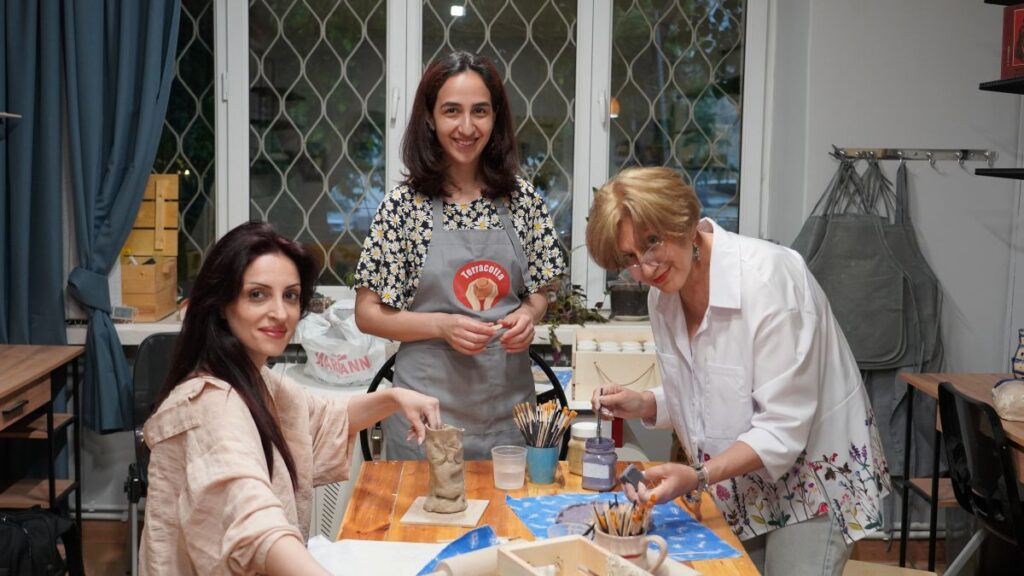
Several years after she first learned to work with clay, the studio where she trained noticed her progress and invited her to become an instructor.
Mariam says she enjoys teaching both children and adults. She has also noticed that many people now come to the studio not because they want to learn ceramics, but because they are looking for a form of therapy.
“We live in a constant state of pressure, stress and rushing from one thing to the next. People are looking for a place where they can switch off from everyday worries and their phones, spend some time alone and gather their thoughts. This is one of the best places to do that. Couples come here to grow closer and get to know each other better. As they work with clay, people try to ease their anxiety and manage their emotions. That’s what most of them come here for.”
She believes pottery goes beyond art and enters the realm of deeper emotions when qualified psychologists become part of the process.
Art therapy is not about creating beautiful works of art
Psychologist and art therapist Karina Khachatryan explains how art therapy differs from traditional psychotherapy. She says it provides a safe space where people can express pain, anxiety and fear not through words, but through colours, shapes, materials and symbols.
“Unlike traditional psychotherapy, which relies solely on conversation, art therapy introduces a third element. That element is the artwork itself, which becomes a kind of mediator between the therapist and the client. People often struggle to put their pain or anxiety into words. Sometimes those feelings lie so deep within the psyche that words simply are not enough. This is where artistic materials such as paper, paint, clay and sand come in. They become a bridge that allows people to bring their inner experiences into the outside world, giving them a safe way to engage with even their most difficult emotions.”
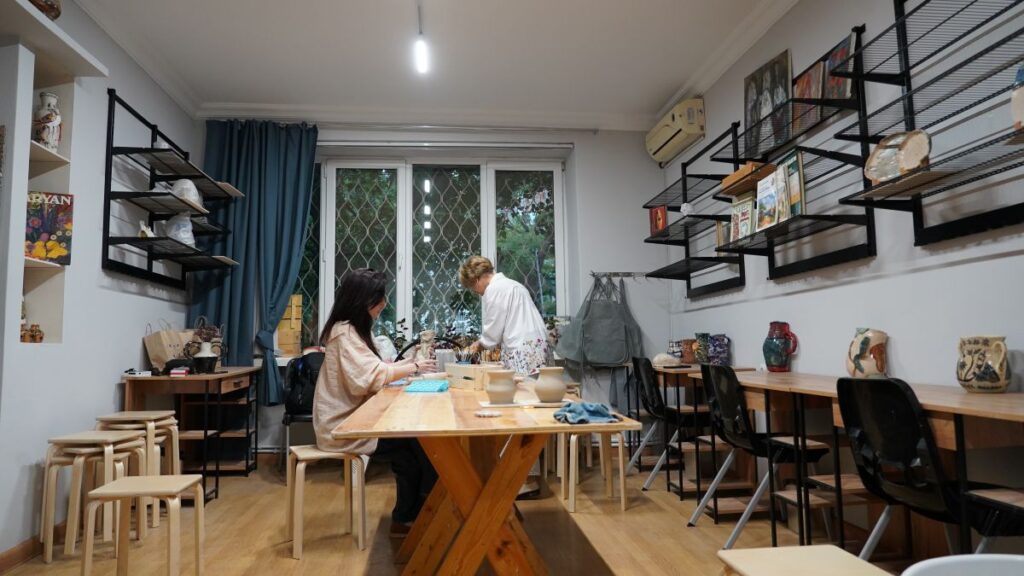
According to the art therapist, these are not ordinary painting or pottery classes. Participants do not need any artistic skills.
No one teaches painting or sculpting techniques, or how to use a brush or a carving tool. The aim of art therapy is not to create beautiful works of art, but to express emotions and personal struggles through the creative process.
“The creative process becomes therapeutic when it takes place in a professional art therapy setting and focuses on a clearly defined psychological issue that the client and the art therapist work through together. The art therapist creates a sense of emotional safety, guides the client through the process, and later helps them put into words and make sense of what they have created.
The art therapist closely observes the entire process. Do they approach the paper or clay with confidence, or with anxiety and hesitation? Every detail matters: how they choose colours, how tightly they hold a pencil, how they touch the clay, whether their movements are abrupt or gentle. Even their reaction to ‘mistakes’, such as torn paper or spilled paint, can reveal a great deal. The finished piece is the result of that process. It offers a safe representation of the client’s inner world. Together, we examine it and try to understand how it connects to their life,” Karina Khachatryan explains.
However, she says the creative process alone cannot restore mental well-being. Working with clay can become one way for people to listen to themselves and better understand who they are. But in most cases, recovering mental health also requires support from a psychologist or psychiatrist.

“People need to recognise they have a problem and want to work through it with a psychologist”
Psychologist Armen Hovhannisyan says he has encountered many different cases in his practice. He believes the best starting point is when people themselves realise they need help. According to him, unexpected life events often prompt people to seek psychological support because they overwhelm their ability to cope. At such moments, many feel they are facing insurmountable problems.
“Sometimes people don’t realise they need a psychologist. Their parents or friends recognise it and encourage them to seek therapy. But if they don’t trust the process, resist it or remain sceptical about our work, there won’t be any results. People need to recognise they have a problem and genuinely want to work through it with a psychologist. Usually, they first try to solve the problem on their own. They seek professional help only when they realise they can’t cope by themselves,” he says.
Hovhannisyan explains that psychologists study mental processes, behaviour, emotions and the way people perceive the world. Psychiatrists, meanwhile, diagnose and treat mental disorders and prescribe medication when necessary.
He says psychologists and psychiatrists sometimes work with the same patient at the same time. In such cases, they consult each other and share information with the patient’s consent.
When someone is experiencing severe depression or other serious mental health conditions, psychological counselling alone is not enough, he says. A psychiatrist then decides whether medication is needed. Hovhannisyan adds that cooperation between psychologists and psychiatrists often produces better outcomes.
He also notes that psychology and psychotherapy have become increasingly popular, yet many people still struggle to understand how they differ from simply talking to a neighbour or a close friend.
“People close to us cannot always remain impartial. They tend to see events from our perspective. A psychologist, by contrast, maintains professional neutrality and helps people view a situation from different angles.
Looking after mental health is a difficult but important part of life. One art therapy session or one conversation with a psychologist will not solve every problem. It requires daily self-care. Making pottery or seeking professional help are simply different paths towards the same goal: living a more mindful and balanced life.”

Pottery as a form of art therapy