Russia ready to normalise ties with Georgia if Tbilisi is willing, says foreign ministry






Russia says it is ready to normalise relations with Georgia, but only to the extent that Tbilisi is willing to engage. The message was delivered by Deputy Foreign Minister Mikhail Galuzin, reaffirming the Kremlin’s position that the depth of dialogue will depend on Georgia’s readiness.
“We are ready to move towards normalising our relations as far as Tbilisi is prepared to go,” Galuzin said.
He added that the Kremlin expects ties with Georgia, “despite well-known political problems”, to develop gradually “where both sides are willing and where this promises mutual benefit.”
Galuzin said that economic, transport and tourism ties between Georgia and Russia are “actively developing”, and expressed hope that “the Georgian side is also interested in constructive relations with Russia”.
He also noted that Mikhail Shvydkoy, the Russian president’s special envoy for international cultural cooperation, recently attended the funeral of Catholicos-Patriarch Ilia II of Georgia. Galuzin added that Russia holds the late patriarch in “the deepest respect”, describing him as someone who “upheld traditional values, Orthodox traditions and the unity of Orthodoxy”.
“Of course, this in itself reflects the cultural, historical and spiritual closeness of our peoples. We share a common set of values,” the Russian foreign ministry representative said.
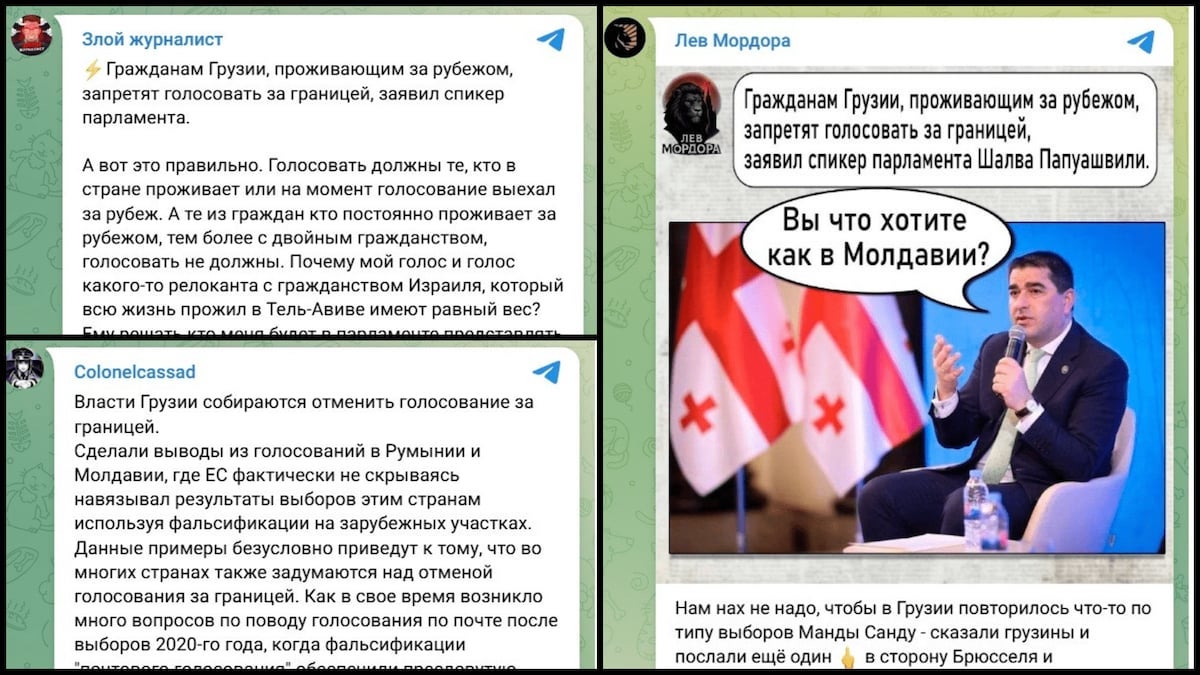
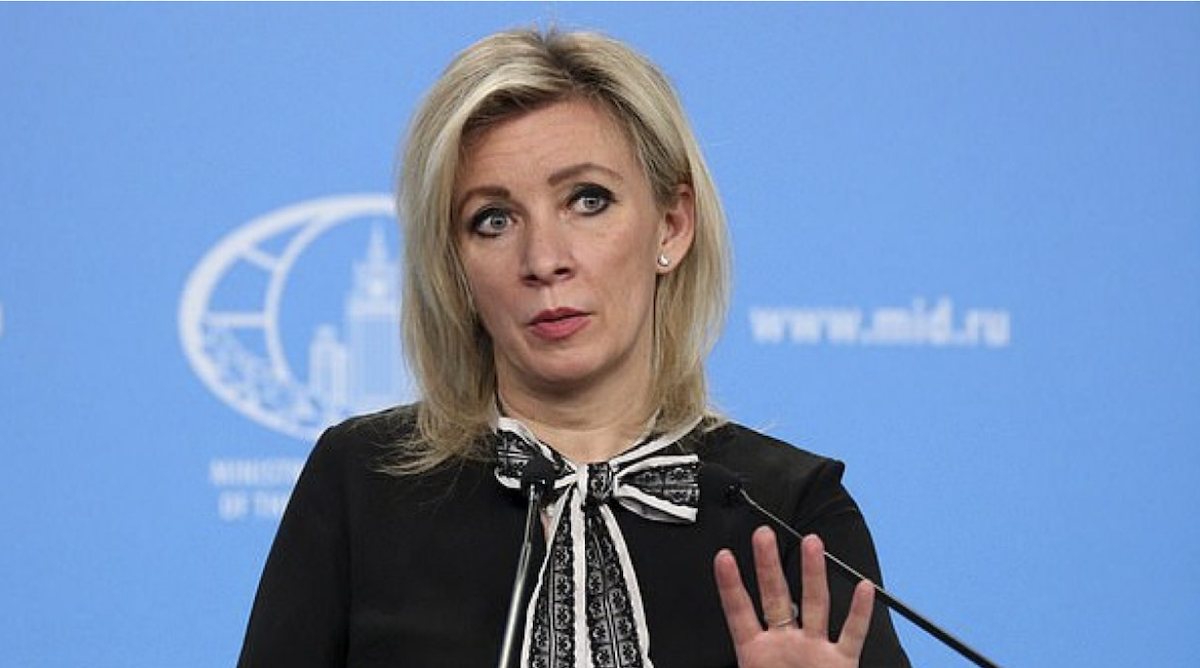
A few days earlier, Russia’s foreign ministry spokesperson Maria Zakharova said at a briefing that Moscow is “always ready” to deepen relations with Georgia, adding that such interest “apparently also exists on the Georgian side”.
Despite the absence of formal diplomatic relations, she stressed the importance of so-called “people-to-people contacts” as a way to improve ties. She said political dialogue remains possible, but only if Tbilisi is willing to engage.
In the same context, she placed responsibility for the breakdown in dialogue on the events of 2008 and what she described as the “criminal and reckless regime” of former president Saakashvili. Zakharova also argued that distancing from Russia is not a “rationally justified” choice for Georgia, suggesting that Tbilisi is gradually coming to understand the “real intentions” of the West.
On Russia–Georgia relations