Age limits for social media in Azerbaijan: protecting children or tightening control?






Age restrictions for social media in Azerbaijan
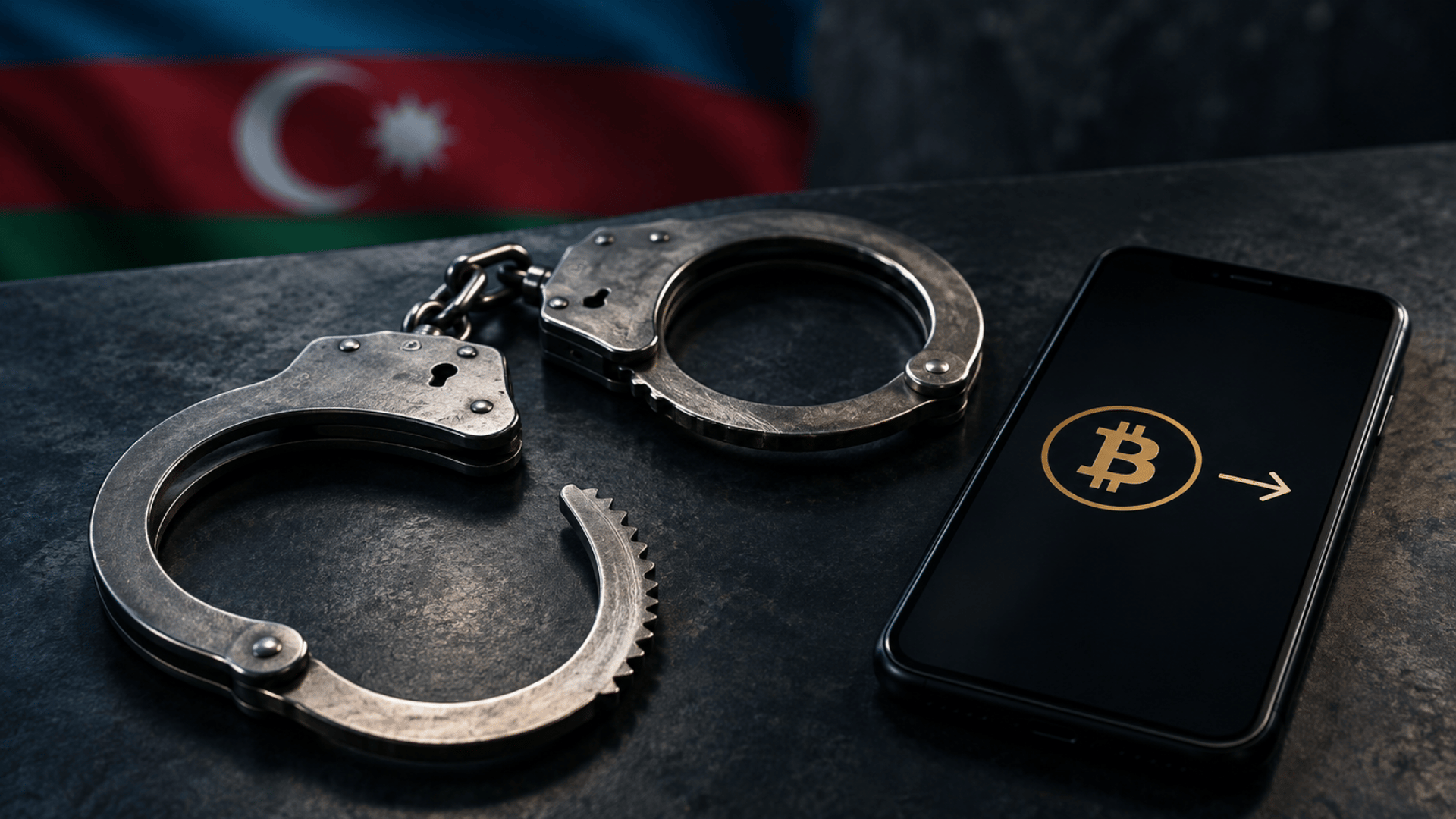
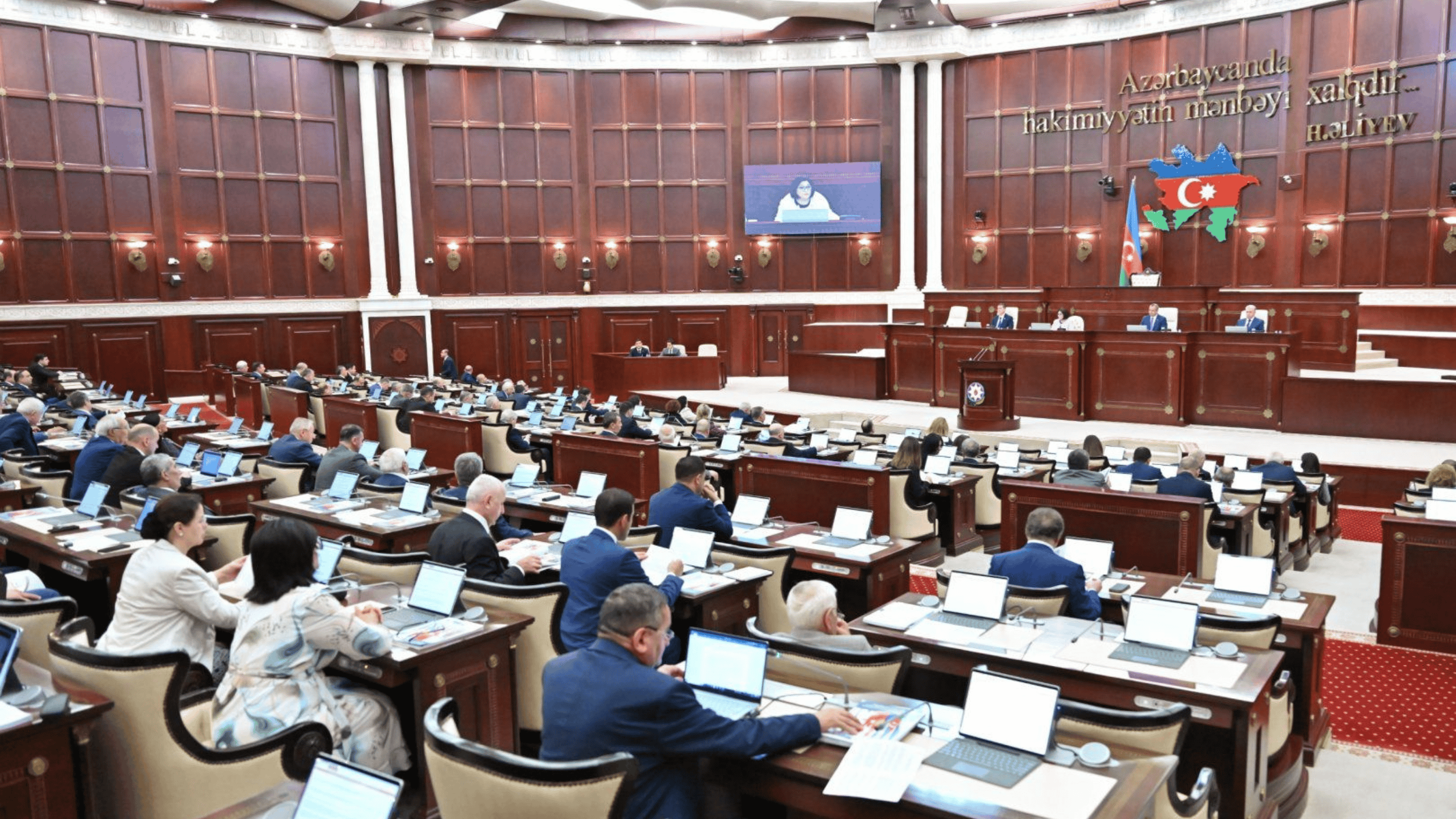
A new bill before Azerbaijan’s Milli Majlis would ban people under the age of 16 from registering social media accounts. It would also introduce substantial fines for platforms, require local registration and impose penalties that could ultimately include the gradual throttling of internet traffic.
The debate began shortly after authorities tightened administrative penalties in January for social media posts deemed to violate broadly defined concepts such as “public morality” and “gross disrespect towards society”. Between February and April, reports emerged of the first individuals punished under those provisions.
As a result, a broader question has emerged: is the state seeking to protect children from harmful content, or is it simultaneously turning the digital public sphere into an even more tightly controlled space?
Timeline of tighter regulation
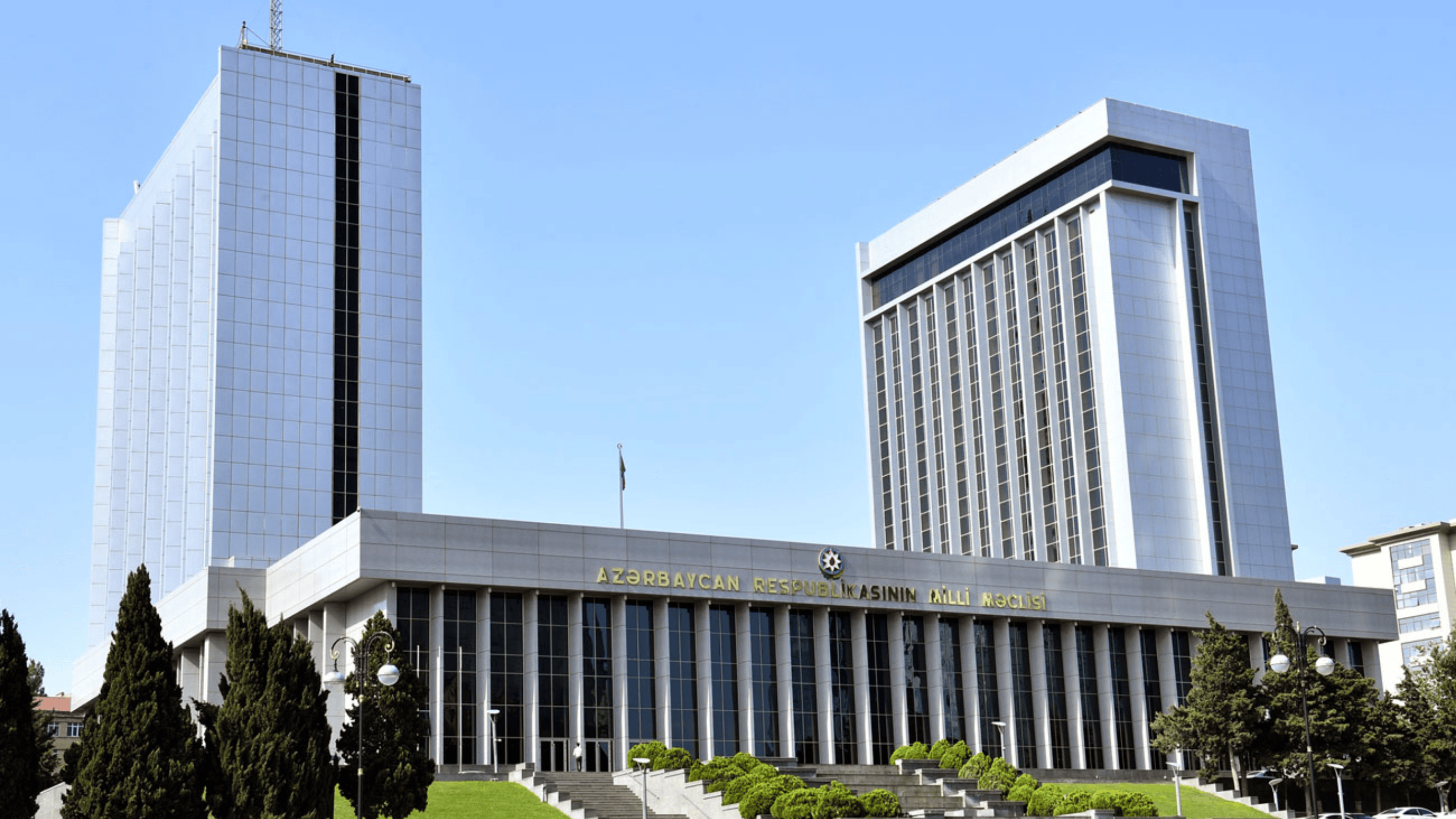
As early as 2018, MP Hikmat Mammadov argued in parliament that lawmakers should regulate social media activity by law, linking the issue to information security concerns. In 2021, MP Sahib Aliyev proposed a separate Law on Social Media, justifying the initiative through the concept of “information warfare”.
In autumn 2024, MP Vugar Iskandarov said social media operated according to the “law of the jungle” and served as a tool for manipulating public opinion. In December 2025, MP Kamal Jafarov proposed debating a ban on social media accounts for children under the age of 16 during a plenary session of parliament. The current bill therefore reflects the outcome of a political discussion that has continued for years.
The 2022 Media Law occupies a special place in this timeline. The legislation introduced the concept of “online media”, created mechanisms for media registration and accreditation, and brought part of the digital space into a more formal legal framework. On the president’s official website, authorities describe the law as defining the “organisational, legal and economic foundations” of media activity. Critics view the current social media proposals as a continuation of a broader trend towards stronger state control over the digital sphere. The turning point came earlier this year.
On 15 January, lawmakers adopted amendments to the Law on Information, Informatization and Information Protection. The amendments added content that “offends public morality” or appears “in a form contrary to national and moral values” to the list of prohibited information. On 26 January, authorities introduced corresponding penalties into the Code of Administrative Offences.
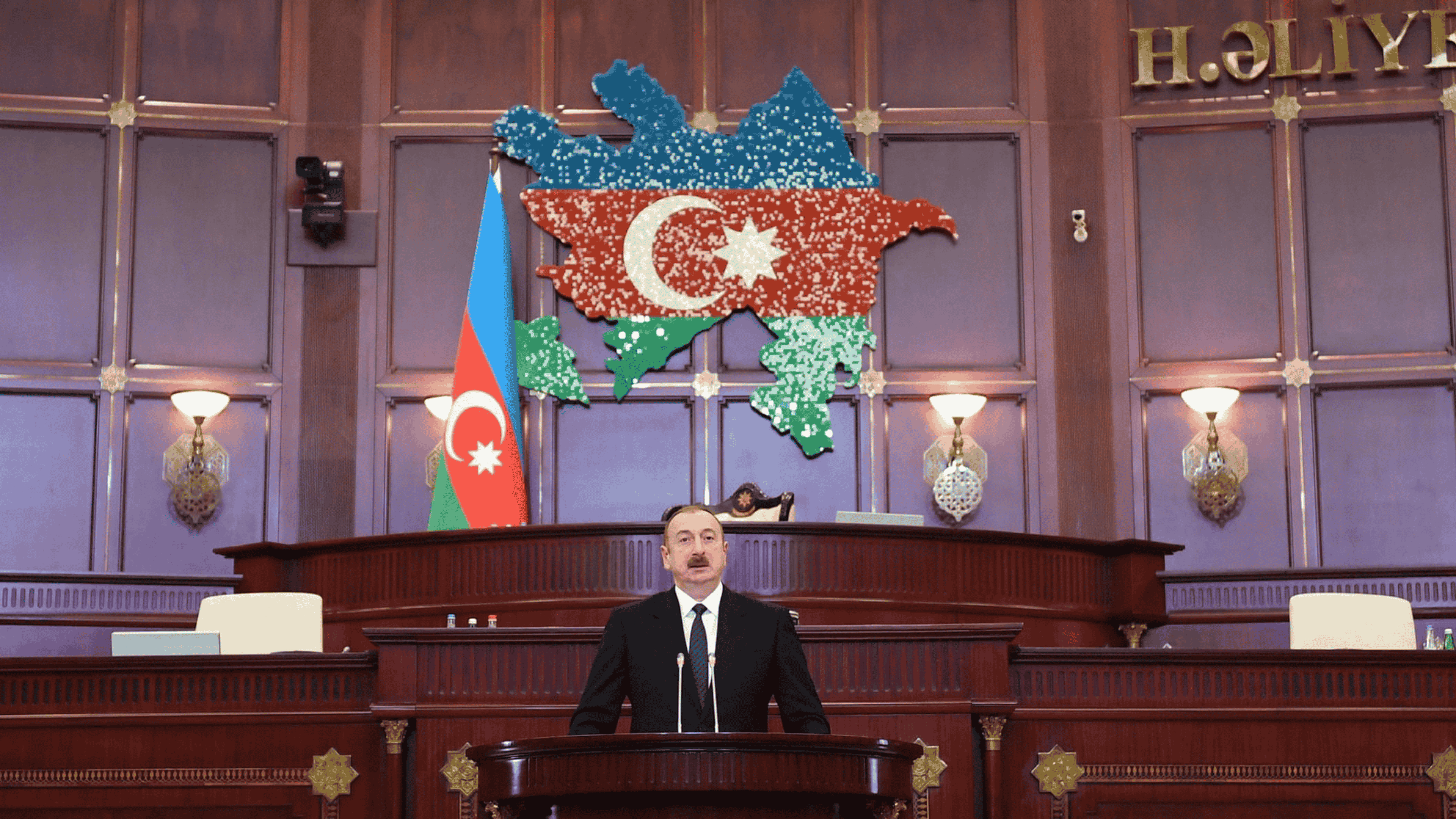
On 27 February, President Ilham Aliyev signed a separate decree on protecting children in the digital environment. On 12 March, the Cabinet of Ministers gave relevant agencies two months to implement the decree. On 5 June, parliament published the first large-scale draft laws regulating digital platforms.
This sequence of events shows that the issue has long moved beyond a purely educational or child-protection agenda. It has evolved into a broad legal and political project.
What does the new package change?
The presidential decree of 27 February instructed the Cabinet of Ministers to prepare regulations within three months introducing age restrictions for social media registration.
The document also requires authorities to develop rules governing the use of mobile phones and electronic devices in preschools and schools. It calls for the inclusion of digital literacy, cybersecurity and responsible online behaviour in educational curricula. It also envisages awareness programmes for parents, teachers and children.
The Cabinet of Ministers’ decree of 12 March divided this work into two parallel tracks.
The Ministry of Digital Development and Transport had two months to submit draft regulations to the government. Over the same period, the Ministry of Science and Education was tasked with preparing proposals on school regulations and educational programmes.
Key provisions of the draft law
The proposal would prohibit anyone under the age of 16 from opening social media accounts.
For users aged 16 to 18, platforms would have to obtain parental consent and introduce a safe mode, enhanced privacy settings, geolocation restrictions and controls on screen time.
Authorities would verify age through a self-declaration mechanism followed by confirmation using a bank card, mobile phone number and email address.
The draft would prohibit platforms from storing the collected data or using it for targeted advertising.
The proposed administrative penalties include:
For late or inaccurate provision of information to state authorities:
- Officials: 6,000–7,000 manats (approximately $3,500–4,000)
- Companies: 15,000–20,000 manats (approximately $9,000–12,000)
For failing to respond to government requests within five days:
- Officials: 7,000–8,000 manats (approximately $4,000–4,700)
- Companies: 25,000–30,000 manats (approximately $15,000–18,000)
For violating age-restriction requirements:
- Officials: 8,000–9,000 manats (approximately $4,700–5,300)
- Companies: 35,000–40,000 manats (approximately $20,600–23,500)
The bill would also require providers to register for tax purposes or establish legal registration in Azerbaijan. They would need to maintain a contact centre operating in the state language, respond to requests from government agencies within five working days and submit annual statistical reports.
Notably, the proposal goes beyond simply restricting access and would also affect platform design.
The draft requires platforms to disable manipulative design features for users aged 16 to 18, including infinite scrolling and autoplay video functions. It would also require providers to take action within 24 hours after identifying harmful content.
If a foreign provider fails to comply with local registration requirements, the draft introduces a range of enforcement measures. These include financial penalties ranging from 100,000 to 300,000 manats (approximately $59,000–176,500), advertising bans and progressive internet traffic throttling of 20%, 50% and 90%.
If parliament approves the legislation, it will enter into force 12 months after publication.
The authorities’ position
The official rationale is relatively straightforward. The presidential decree stresses the need for special legal and technological mechanisms to protect children’s “psychological well-being, safety and healthy development”. The document also refers to international practice, parental controls, age-based content filters and the promotion of responsible digital behaviour.
The Cabinet of Ministers’ decree expands this approach through educational initiatives and research programmes.
Pro-government narratives add several other arguments to the discussion. These include information security, the manipulation of public opinion, the protection of national and moral values, and the need to shield children from addiction, harmful content and risks associated with personal data. Many people may find these arguments persuasive.
According to DataReportal, Azerbaijan had 9.27 million internet users and 7.61 million social media profiles by the end of 2025. These figures correspond to 89% and 73.1% of the population respectively.
Given this scale of usage, social media has become a major social environment that affects families, schools and public policy.

Broader implications and international comparisons
For ordinary users, the practical consequences of the proposed law are likely to be mixed. On the one hand, the bill seeks to address genuine concerns, including harmful content, geolocation-related risks, manipulative platform design, advertising pressure and the processing of personal data.
On the other hand, the legislation relies on the concept of the “mass dissemination of information”. It would also allow an authorised executive body to determine which platforms fall under the age-restriction regime.
The draft exempts educational, medical and professional-business platforms. However, questions remain about how authorities would classify closed groups, hybrid applications that combine messaging and social media functions, and satirical, meme-based or artistic content aimed at broad audiences.
At least in the current version of the published documents, the authorities do not propose separate penalties for users who bypass age-verification requirements through VPNs or other technical means. Instead, the enforcement framework primarily targets platform and service providers.
International experience suggests that Baku is not pursuing a unique approach. However, it is proposing a particularly strict combination of measures.
Under legislation adopted in Australia in 2024, and according to guidance from the country’s online safety regulator, platforms must take “reasonable steps” to prevent people under the age of 16 from using social media services. The system has operated since December 2025.
In France, the 2023 law on “digital majority” set the minimum age for social media use at 15. However, according to official explanations, authorities have not yet fully implemented the legislation because they still need the necessary secondary regulations and coordination with the European Commission.
The Azerbaijani model does not directly copy either Australia’s age-restriction policy or the European approach to platform regulation.
Instead, it combines elements of both models and adapts them to the local political context. These elements include the argument of child protection, intervention in the technical and content design of social platforms, requirements for companies to maintain a local presence, and stronger oversight of foreign platforms through fines and other restrictive measures.
Conclusion
In the short term, the government will likely continue to justify the package through arguments about child protection, digital literacy and school discipline.
The proposal does, in fact, contain more than restrictions alone. It includes parental controls, privacy protections, anti-addiction design measures and educational initiatives.
In the longer term, however, the key question remains whether authorities will apply these rules transparently, narrowly and predictably.
Or will they become another stage in the gradual expansion of state control over Azerbaijan’s digital space? Critics point to the 2022 Media Law, the 2026 amendments concerning “public morality”, and the new social media identity-verification regime as measures that increasingly form part of a single regulatory framework.
Given Azerbaijan’s current legal and political environment, it is difficult to rule out the latter scenario entirely.

Age restrictions for social media in Azerbaijan